Digital transformation is reshaping industries at an unprecedented pace. Digital literacy is no longer just for IT specialists—it’s essential for navigating technology, managing cybersecurity risks, and making data-driven decisions. Without these skills, companies face inefficiencies, security vulnerabilities, and missed opportunities for innovation that affect productivity, costs, and reputation.
This blog highlights some of the best digital literacy courses available, designed to equip professionals with the essential workforce skills needed in today’s digital-driven world. Some focus on general digital fluency, while others dive into industry-specific applications.
Who Says Learning Has To Be Costly?
Access our comprehensive library of free courses todayDigital Literacy Courses
1. Digital Literacy & Mobile Technology Course
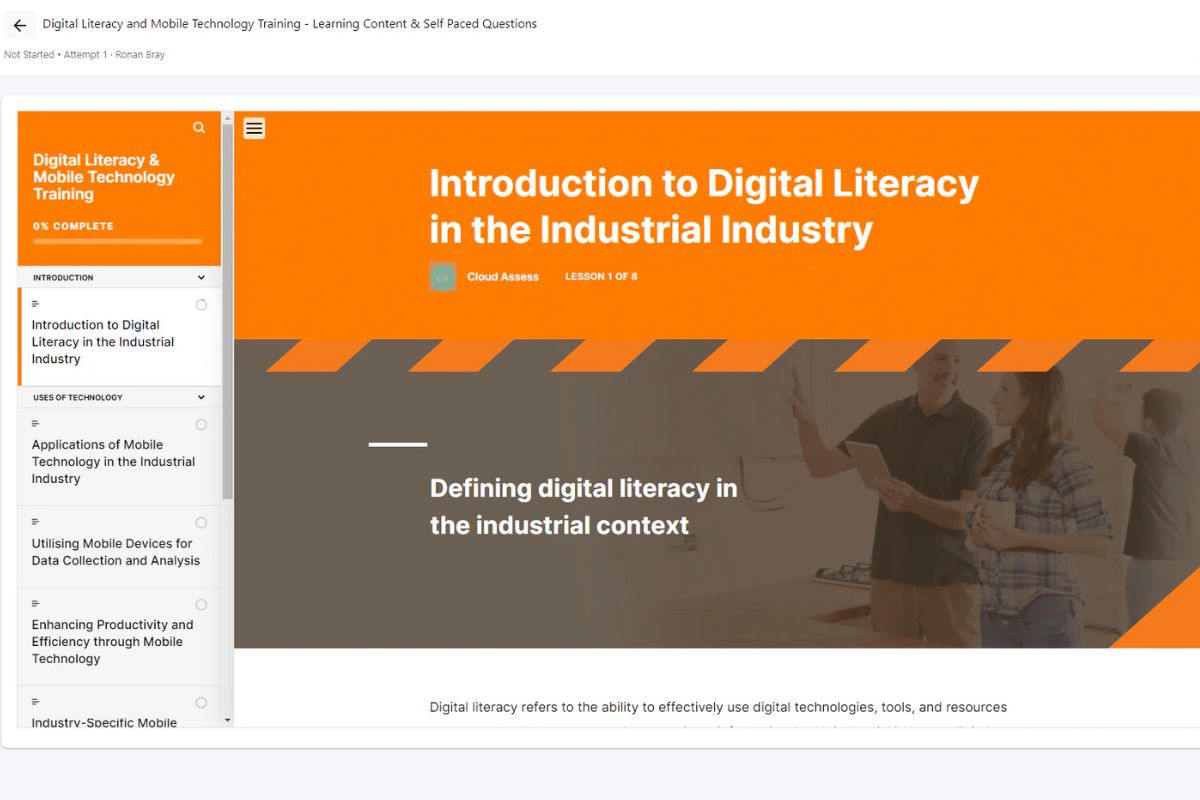
Technology is changing fast, and digital literacy is one of the foundation skills that help professionals keep up, stay productive, and work smarter. This entry-level course breaks down how to use mobile technology to collect and analyse data, collaborate in real time, and improve workplace safety.
Participants will learn practical ways to integrate digital tools into their daily tasks, making workflows smoother and decision-making easier. By the end of the course, they’ll feel confident using mobile technology to boost efficiency, stay informed, and adapt to the ever-evolving digital world.
Scope:
- Understanding digital literacy in the industrial sector
- Using mobile technology for efficiency and productivity
- Exploring industry-specific mobile applications
- Applying mobile tools for workplace safety and risk management
Cost: Free
2. Activate Digital Device and Access Features Course
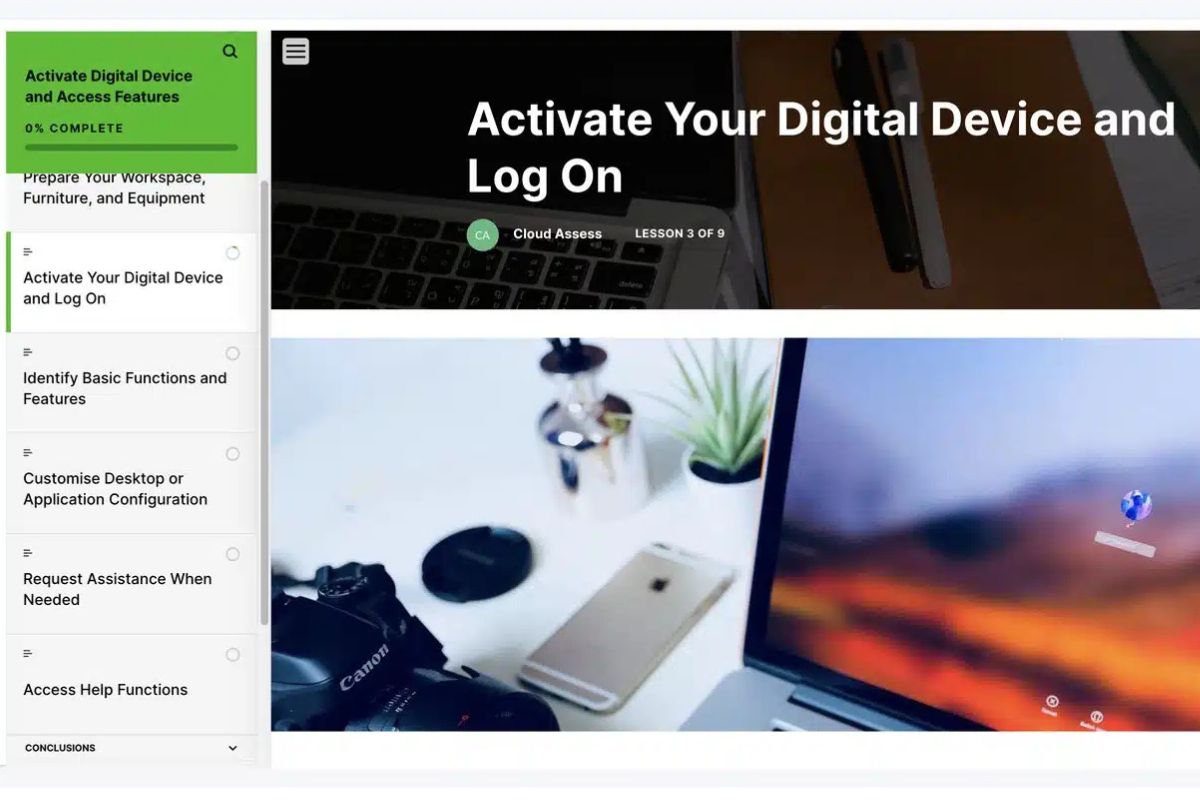
With the right setup, digital devices become more than just tools—they help simplify tasks, boost productivity, and keep work running smoothly. This course helps participants activate their devices, customise settings, and manage their digital identity securely—all at their own pace.
From exploring vital features and troubleshooting issues to protecting data and following security protocols, learners will gain the confidence to use their devices efficiently. The course also introduces helpful tools and support options that make it easier to navigate the digital world without frustration.
Scope:
- Setting up a workspace for digital device use
- Activating and navigating basic device features
- Managing digital identity and security protocols
- Customising settings for efficiency and workflow
Cost: Free
3. Input and Process Information or Data Course

Data is only valuable if it’s accurate and easy to use. This course is designed to help learners confidently choose the right digital tools, enter and validate data without errors, and format information for clear, professional results.
Participants will pick up best practices for data entry, validation, and formatting while learning how to troubleshoot issues using built-in help functions. They’ll also discover how to securely distribute reports, keeping everything compliant and organised.
Scope:
- Selecting and opening the right software applications
- Entering, validating, and formatting data for clarity and accuracy
- Using help functions to troubleshoot and improve proficiency
- Distributing final reports securely and efficiently
Cost: Free
4. Prepare to Use Digital Technology Course

Digital tools are everywhere, but knowing how to use them effectively can lead to smoother workflows, increased efficiency, and a stronger grasp of workplace technology. This course helps participants build confidence in handling everyday tasks like data entry, digital communication, and collaboration—all while using the right tools for the job.
Learners will pick up new skills in clarifying task requirements, choosing the right technology, and understanding workplace symbols. They’ll also cover effective communication and data management, ensuring that digital tasks are completed quickly and accurately.
Scope:
- Understanding workplace tasks in a digital context
- Identifying and selecting appropriate digital tools
- Communicating effectively in a digital environment
- Managing data entry and digital collaboration
Cost: Free
5. Perform Short & Basic Workplace Tasks using Digital Technology Course

Not all digital tasks are routine—some are quick, one-off actions that still require accuracy and security. This course helps participants complete occasional workplace tasks efficiently by following instructions, managing digital tools, and maintaining quality control.
Learners will explore shutdown protocols, data protection, and feedback-seeking habits to improve confidence and precision. Unlike the Prepare to Use Digital Technology course, which focuses on ongoing digital skills, this course is ideal for those handling occasional or entry-level tasks. It ensures procedures are followed securely and efficiently without unnecessary complexity.
Scope:
- Following verbal, written, and visual instructions for digital tasks
- Adhering to workplace procedures for digital tool usage and security
- Understanding proper shutdown and reset protocols
- Reviewing completed tasks for accuracy and quality
Cost: Free
6. Prepare to use Digital Technology for Routine and Simple Tasks Course
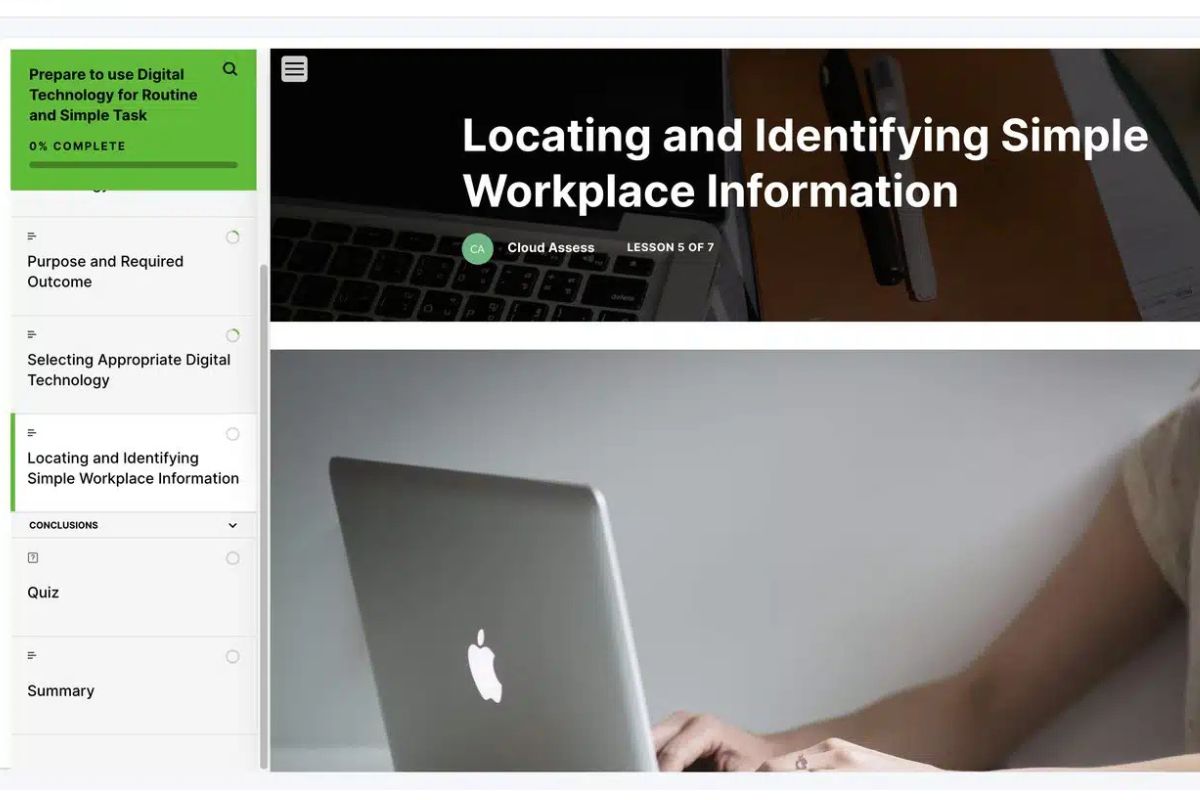
Using digital tools efficiently is key to staying productive and organised at work. This course helps participants develop fundamental skills to interpret instructions, manage digital information, and follow workplace procedures while handling routine tasks.
While this course may seem similar to Perform Short & Basic Workplace Tasks Using Digital Technology and Prepare to Use Digital Technology, it specifically focuses on managing ongoing, routine digital tasks rather than occasional one-off actions or general digital confidence-building. This makes it ideal for those who need to complete workplace tasks consistently, ensuring efficiency, accuracy, and security in their daily workflow.
Scope:
- Following instructions for digital technology use
- Managing and retrieving digital information efficiently
- Complying with workplace procedures and security protocols
- Completing routine tasks using digital tools
Cost: Free
7. Perform Routine & Basic Tasks using Digital Technology Course
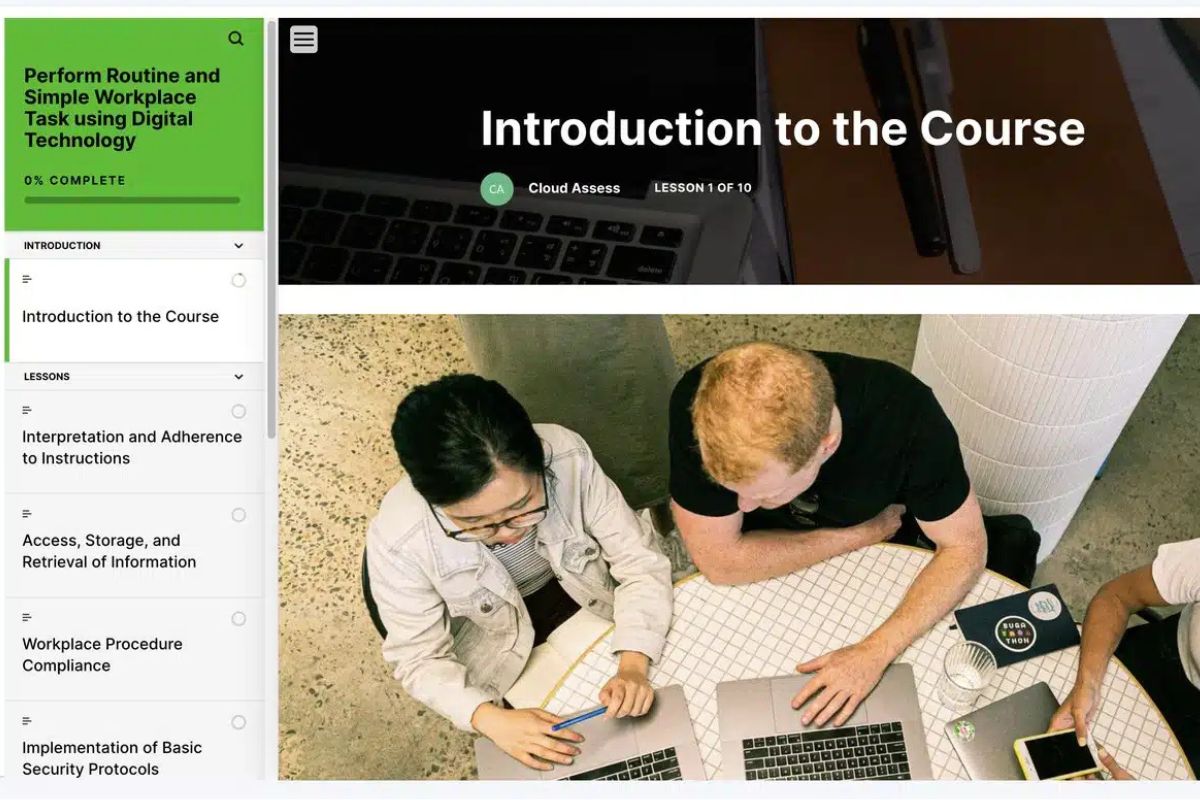
Building on Prepare to Use Digital Technology for Routine & Simple Tasks, this course focuses on applying those skills to manage everyday digital tasks efficiently. It helps learners follow workplace procedures, handle digital information accurately, and apply basic security measures to streamline daily operations.
Participants will practice executing tasks with digital tools, ensuring accuracy and efficiency. Self-assessment and feedback-seeking are encouraged to refine skills and stay up to date with evolving workplace technology. By mastering these skills, learners will boost productivity, reduce errors, and confidently manage routine digital tasks.
Scope:
- Following instructions for digital technology use
- Managing and retrieving digital information efficiently
- Complying with workplace procedures and security protocols
- Using digital tools to complete routine tasks
- Evaluating your performance to continuously improve digital proficiency
Cost: Free
8. Prepare to use Digital Technology for Non-Routine Task Course
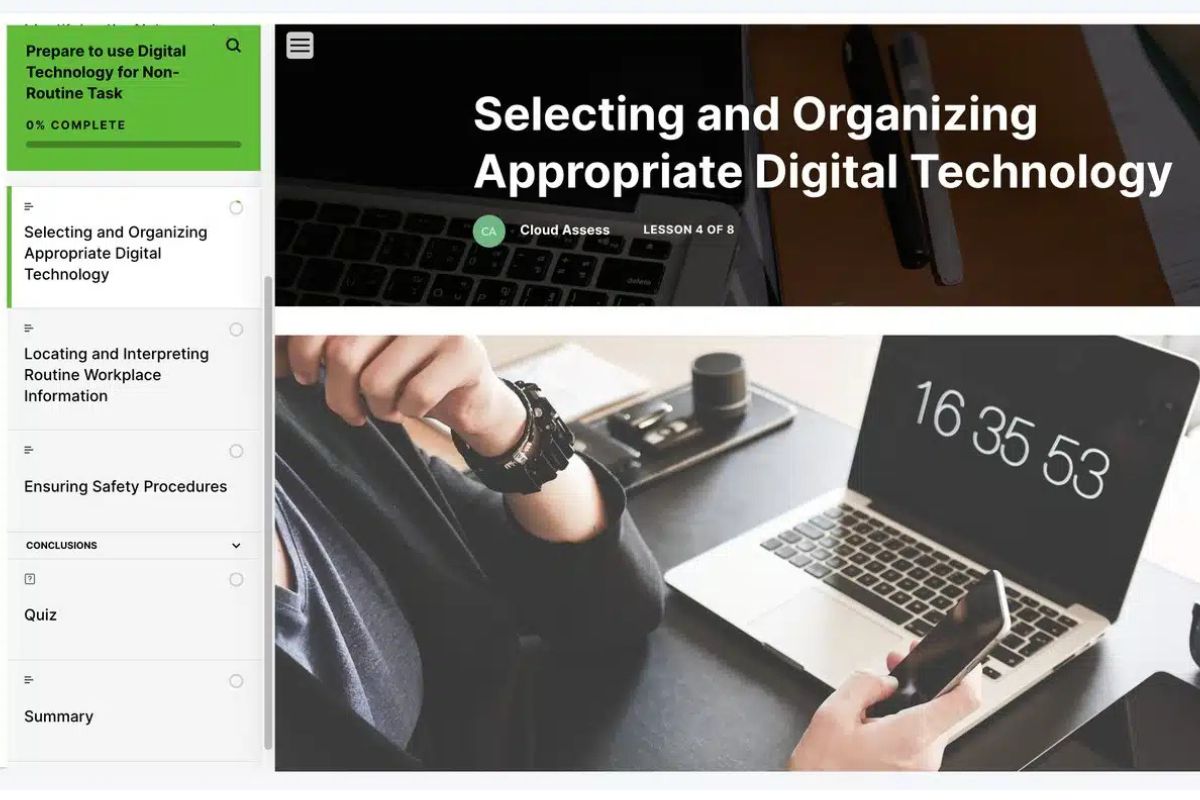
Routine digital tasks follow a set process, but not everything at work is predictable. This course helps participants develop the skills, strategies, and mindset needed to handle unstructured, complex, or unexpected digital tasks with confidence.
With a strong focus on problem-solving and continuous learning, participants will be prepared to assess unfamiliar tasks, choose the right tools, and interpret technical information. They will also explore safety protocols, troubleshooting strategies, and documentation techniques to ensure accuracy and efficiency when managing non-routine digital processes.
Scope:
- Identifying and understanding non-routine workplace tasks
- Selecting appropriate digital tools and interpreting technical information
- Implementing safety protocols and problem-solving strategies
- Documenting and reporting task outcomes effectively
Cost: Free
9. Perform Non-Routine Workplace Tasks Using Digital Technology Course

After preparing for unpredictable digital challenges, it’s time to put those skills into action. This course guides participants through executing complex digital tasks when standard procedures don’t apply.
Learners will develop power skills like problem-solving and strategic planning, fostering critical thinking and flexibility and making them more adaptable and resourceful in ever-changing environments. This will help them confidently tackle new tools, changing requirements, and unforeseen technical issues. The course also covers shutdown and reset procedures, ensuring data security and device reliability.
Scope:
- Interpreting and adapting digital task instructions
- Complying with workplace security and procedural protocols
- Executing proper shutdown and reset procedures
- Troubleshooting issues and planning for continuous improvement
Cost: Free
10. Identify the Purpose and Methods of Digital Communication Course
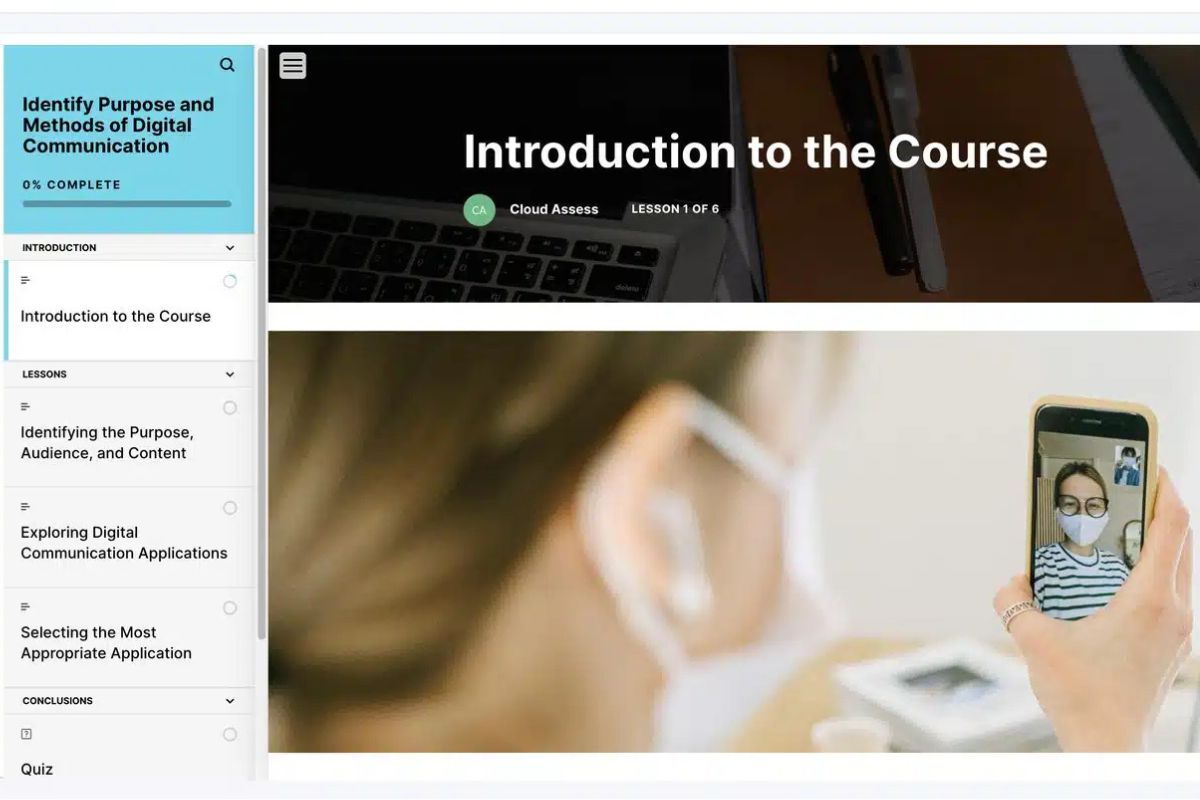
Good communication isn’t just about sending a message—it’s about choosing the right tools, understanding your audience, and making sure your message is clear and effective. This course helps participants develop essential digital communication skills, from defining communication goals to selecting the best platform for each situation.
Learners will explore emails, instant messaging, video conferencing, and social media, gaining insights into when and how to use each method. The course also covers workplace policies, resource availability, and user experience, ensuring communication tools align with both organisational needs and audience expectations.
Scope:
- Defining the purpose of digital communication
- Selecting appropriate digital communication tools
- Aligning communication methods with organisational policies
- Ensuring seamless integration and scalability of tools
Cost: Free
11. Implement Procedures to Send and Receive Digital Communications Course
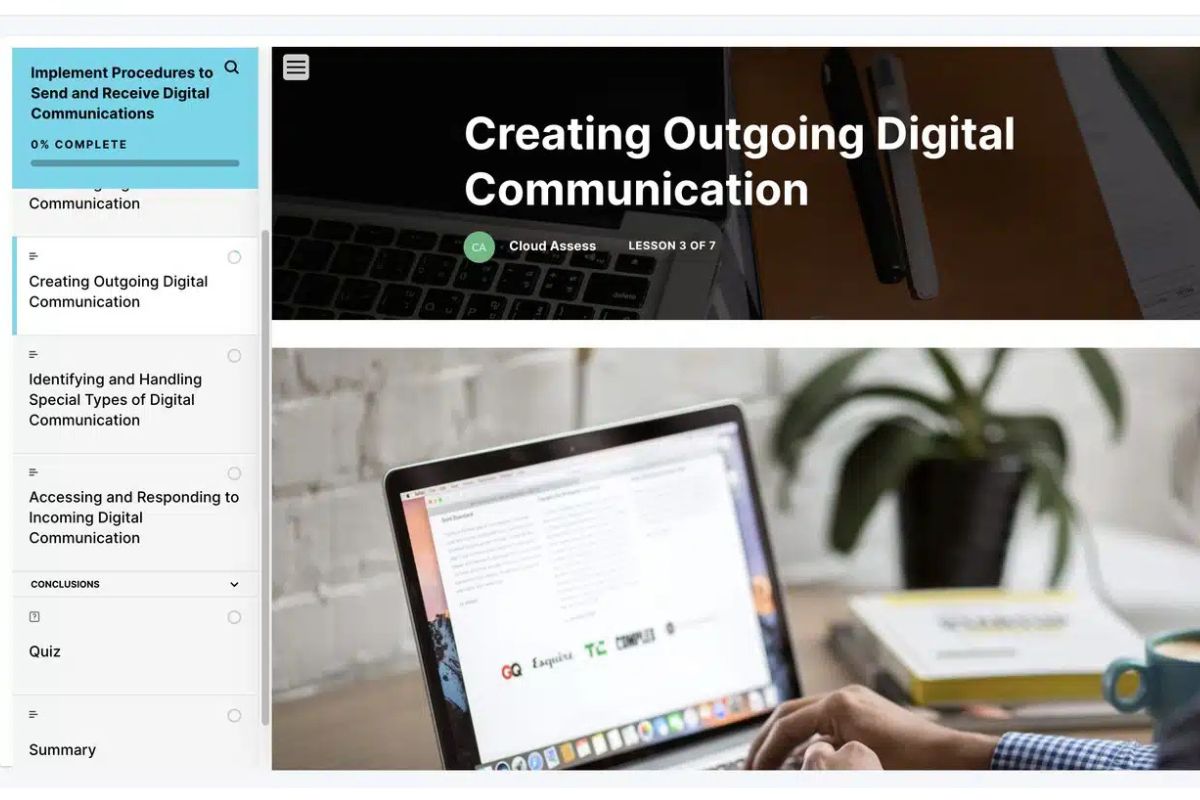
Following the Identify the Purpose and Methods of Digital Communication course, this free training resource is all about execution. It helps participants implement clear, secure, and policy-compliant digital communication practices.
Learners will participate in hands-on experiences to learn how to access, create, send, receive and manage digital messages while following organisational security protocols. The course covers best practices for handling urgent and confidential messages, responding efficiently, and safeguarding digital correspondence with tools like multi-factor authentication and encryption.
Scope:
- Accessing and securing digital communication platforms
- Creating and responding to workplace digital communications
- Handling urgent, confidential, and suspicious messages
- Implementing security measures and compliance protocols
Cost: Free
12. Assist with Managing Digital Communications Course
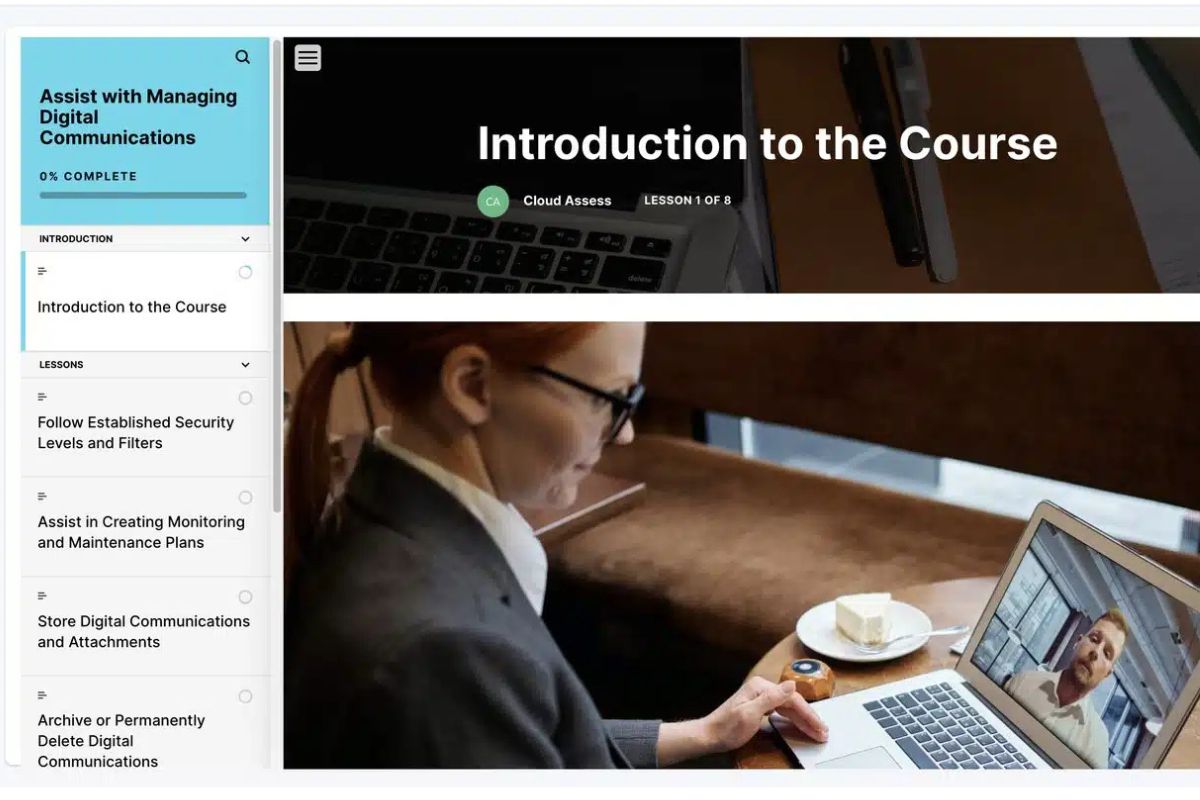
When communication is effectively managed, it enhances workplace efficiency and supports organisational policies. This course equips participants with the skills to help manage communication systems, ensuring messages are properly stored, monitored, and handled according to security protocols.
Participants will learn how to assist in developing monitoring and maintenance plans, securely archive communications, and handle sensitive messages such as urgent, confidential, or suspicious communications. The course also introduces targeted communication strategies, helping organisations engage the right audience while maintaining data integrity.
Scope:
- Assisting in monitoring and maintaining digital communication systems
- Storing, archiving, and securely handling workplace communications
- Managing sensitive and special communications following security protocols
- Implementing targeted communication strategies to engage specific audiences
Cost: Free
13. Implement And Use Digital Technologies to Collaborate In The Workplace Course
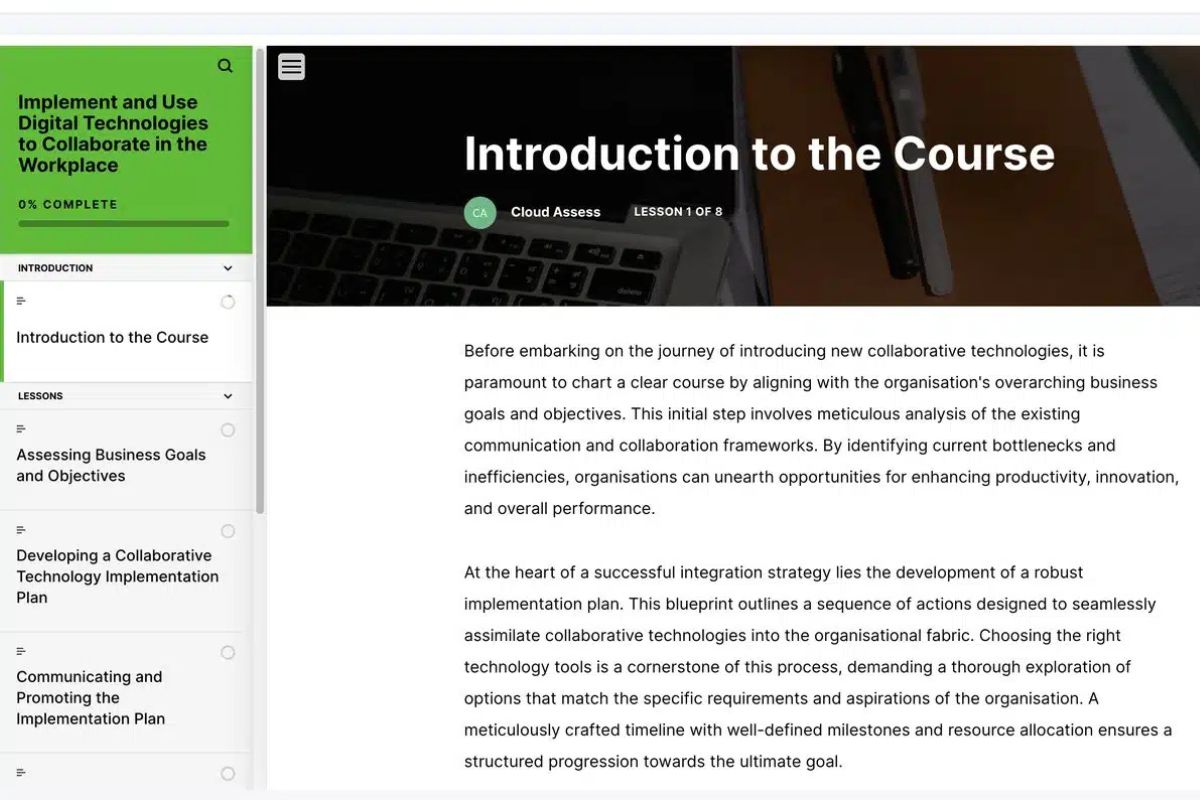
Finding the right tools for effective collaboration requires careful planning, integration, and team adoption. This course helps participants align technology with business goals, develop structured implementation plans, and drive efficient and effective workplace collaboration through digital solutions.
Learners will explore best practices for introducing new technologies, training employees, and managing change, all while ensuring security and compliance. This course is designed for those leading digital transformation efforts, equipping them with the strategies needed to communicate changes, gain stakeholder buy-in, and evaluate long-term success.
Scope:
- Aligning digital technologies with business goals
- Developing and communicating an implementation plan
- Managing change and training users for adoption
- Ensuring security, compliance, and ongoing evaluation
Cost: Free
14. Review Existing Digital Technology Use in the Business Course
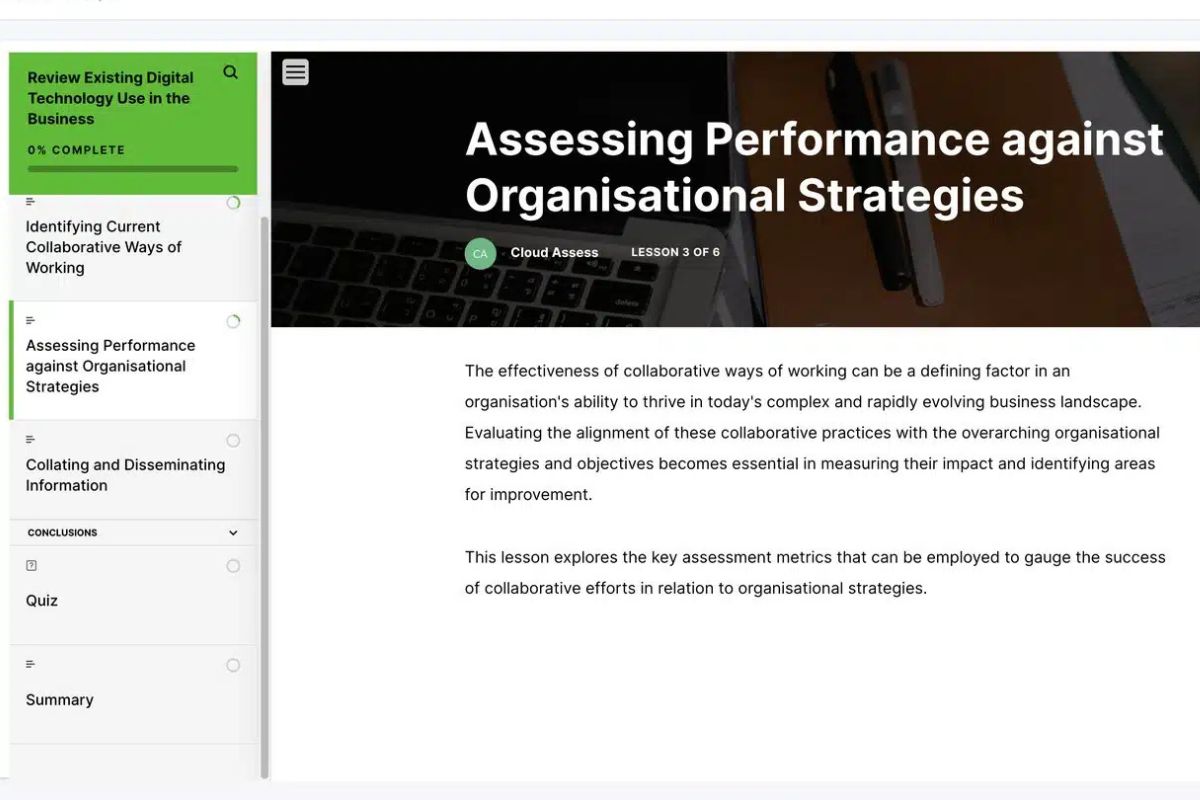
Technology is at the heart of modern business operations, but is it being used effectively? This course helps organisations assess their current digital tools, measure their impact, and identify areas for improvement to ensure they align with business goals.
Participants will explore how to evaluate collaboration tools, monitor performance, and optimise communication strategies to enhance productivity and innovation. The course also covers resource management, adaptability, and feedback mechanisms, ensuring that digital solutions remain efficient, relevant, and aligned with evolving business needs.
Scope:
- Assessing the effectiveness of digital tools in business operations
- Measuring collaboration, communication, and resource utilisation
- Adapting digital strategies to evolving business needs
- Implementing feedback loops for continuous improvement
Cost: Free
15. Integrate Digital Solutions into Work Processes Course
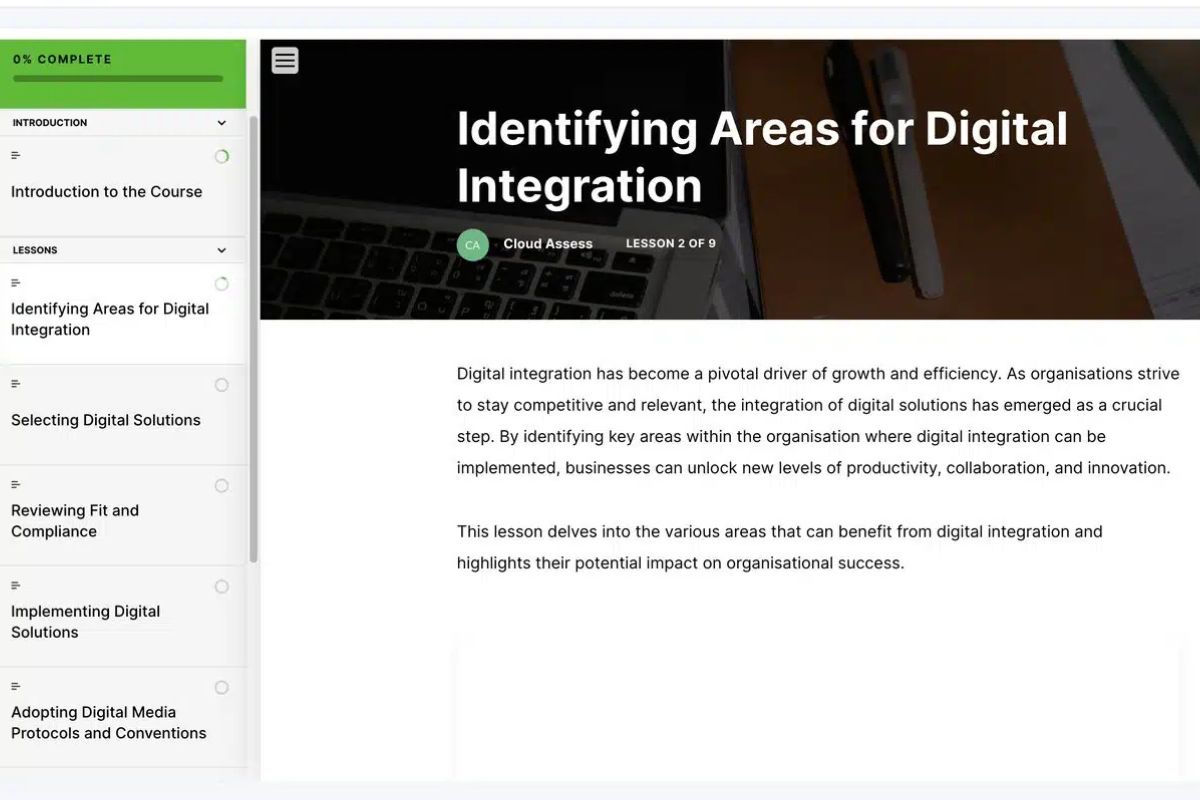
With a structured approach to digital integration, organisations can streamline workflows, improve decision-making, and stay competitive in a rapidly evolving digital landscape. This course helps participants identify key areas for digital transformation, select the right solutions, and ensure a smooth, compliant implementation.
Learners will explore how to assess digital tools for compatibility with organisational policies, implement solutions effectively, and drive user adoption. The course also covers digital media protocols, ensuring that an organisation maintains a consistent and professional online presence. To maximise the benefits of digital transformation, participants will learn how to provide ongoing training and support, helping teams make the most of new technologies.
Scope:
- Identifying opportunities for digital integration
- Selecting and implementing digital solutions strategically
- Ensuring compliance with organisational and regulatory standards
- Supporting user adoption through training and ongoing support
Cost: Free
16. Review Digital Presence Content and Use Course
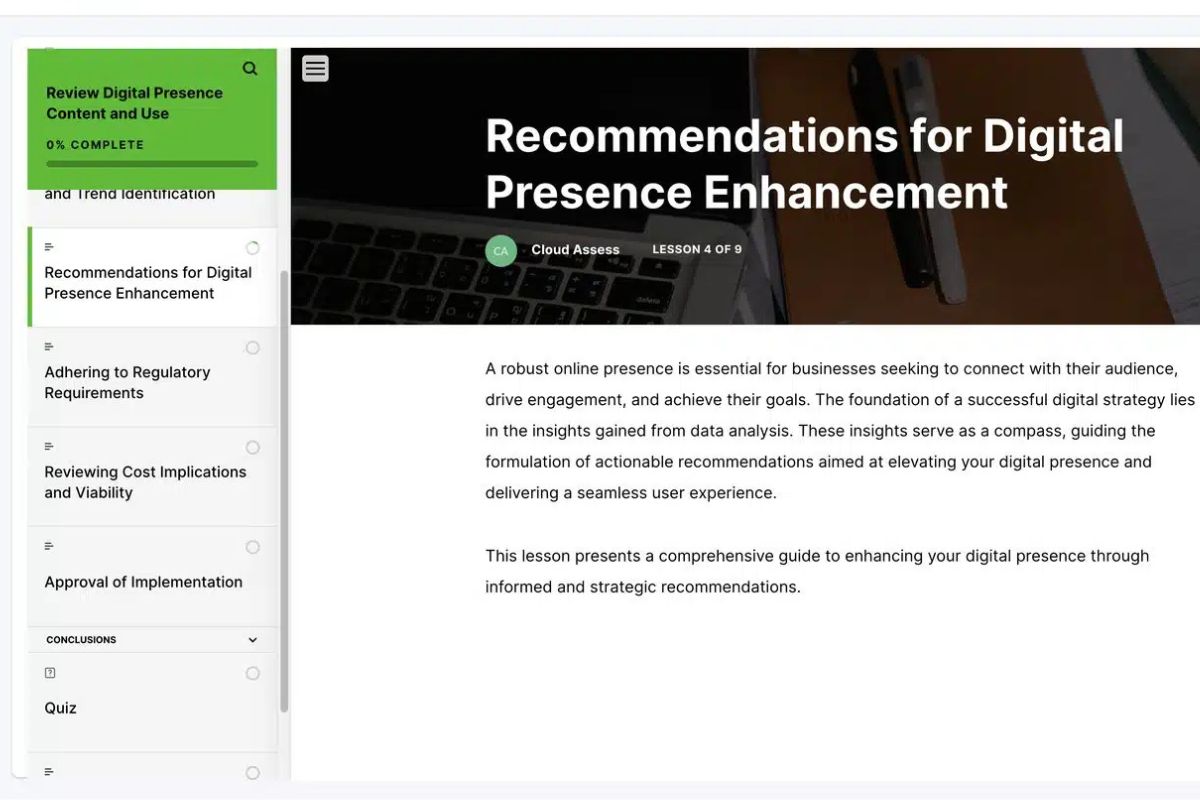
A website, social media page, or digital platform is only as strong as the strategy behind it. This course helps participants step back, assess their organisation’s digital presence, and uncover opportunities for meaningful improvements. Rather than focusing on content updates, it emphasises reviewing performance, analysing user feedback, and making data-driven decisions.
Participants will learn how to track trends using automated tools, ensure compliance with privacy regulations, and measure the cost-effectiveness of proposed changes. The course also highlights the role of cross-functional collaboration, helping teams work together to refine digital strategies that truly engage their audience.
Scope:
- Identifying strengths and gaps in digital content
- Using automated tools to collect and interpret feedback
- Measuring the cost-effectiveness of digital changes
- Ensuring compliance with privacy and regulatory standards
Cost: Free
17. Update Digital Presence Course
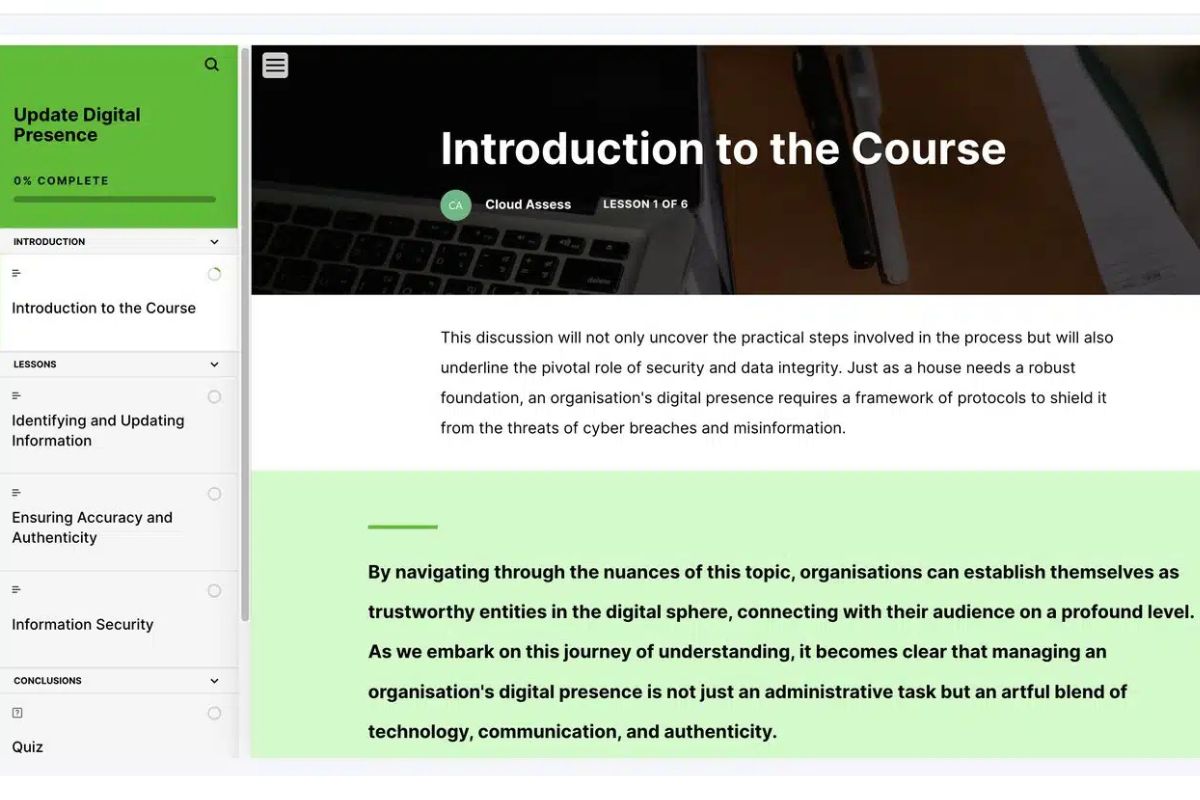
An organisation’s digital presence should be accurate, secure, relevant and engaging, ensuring it resonates with the right audience.
Following from Review Digital Presence Content and Use, this intermediate-level course teaches participants how to identify outdated information, verify accuracy, and implement security measures across their digital presence.
Learners will explore fact-checking techniques, content management strategies, and targeted communication methods, ensuring their updates are both accurate and engaging. The course also covers digital security protocols to help participants protect sensitive data while managing online communications effectively. With a focus on monitoring and maintenance plans, learners will develop strategies to ensure continuous improvements.
Scope:
- Identifying outdated information and ensuring accuracy
- Implementing security measures for digital communications
- Managing and archiving digital content
- Developing monitoring and maintenance plans
Cost: Free
Other Courses to Improve Digital Skills
Looking to further develop your digital literacy and workplace efficiency? Explore additional courses designed to help teams work smarter, collaborate effectively, and stay ahead in a digital-driven world:
- Digital Strategy Reviews
- Mastering Digital Strategy Analysis
- Identify functions of social media and online platforms
- Use Digital Workplace Information