Components of a Skills Taxonomy
- Skill Categories. Grouping skills into a wide range of categories, often aligned with an industry, function, or area of expertise. These overarching groups are the starting point for breaking down specific competencies and understanding how they contribute to business objectives. For instance, categories might include technical, digital, soft, or leadership skills.
- Skill Clusters. Help businesses identify what a particular role or project requires at a more detailed level. You may have clusters like software development, data analytics, and IT security within the technical skills category.
- Individual Skills. At the most granular level of a skills taxonomy, employees must possess specific abilities or knowledge areas, to perform their jobs effectively. Examples might include proficiency in Python, project management methodologies, or negotiation tactics. Identifying individual skills allows for precise talent matching, learning, and development planning.
- Proficiency Levels. The degree of expertise an individual has in a particular skill, typically ranging from beginner to advanced or expert. These levels help organisations assess whether an employee can meet the demands of a specific role or task. Proficiency levels also provide a foundation for measuring growth and creating targeted development plans.

- Skill Descriptions. Offer detailed explanations of each skill, including what knowledge or actions are required to demonstrate competence. Well-defined skill descriptions ensure clarity and consistency in how skills are interpreted and assessed across the organisation.
- Skill Relationships. Skills are interconnected, and understanding these relationships is essential for developing a capable workforce. A skills ontology framework helps map these connections by showing how specific skills complement or rely on others. For example, data analysis is often linked to statistical knowledge, coding, and critical thinking. This approach ensures that training programs focus on developing the right combinations of skills, creating a well-rounded and adaptable workforce.
- Role Mapping. Aligning the defined skills and proficiency levels to specific job roles within the organisation. By connecting skills to roles, companies can create clear expectations for what is required at each level of the organisation. This makes it easier to identify suitable candidates for recruitment, promotions, or internal mobility. Role mapping also supports career path planning by showing employees what skills they need to advance.
- Competency Models. Build on the skills taxonomy by outlining the behaviours and abilities necessary for success in a particular role or function. Competency models typically incorporate technical skills, soft skills, emotional intelligence, and cultural fit to create a complete profile of success in each position. These models are essential for performance evaluations, development, and succession planning.
How to Build a Skills Taxonomy
1. Identify Core Skill Categories
The first step in building a skills taxonomy is identifying the broad categories of skills relevant to your organisation. These categories are the foundation of the taxonomy and it’s important to align them with your industry, organisational goals, and future workforce needs. For example, skills like programming and data analytics may dominate a tech-focused company, while healthcare organisations may focus more on clinical and patient care skills.

2. Map Skills to Job Roles
Once the core skill categories are defined, the next step is to map individual skills to specific job roles. This involves working closely with department heads and subject matter experts to identify the critical skills each role requires. Unlike skill mapping, which focuses on cataloguing and analysing existing skills, role mapping ensures each role has a clearly defined set of required skills. This process makes it easier to assess current talent, identify gaps, and plan for future employee development. Role mapping also helps in creating targeted learning and development plans and aligning job descriptions with the skills employees need to succeed.
3. Define Proficiency Levels and Skill Descriptions
To add depth and clarity to the taxonomy, it’s essential to define proficiency levels for each skill and provide clear skill descriptions. Proficiency levels typically range from beginner to expert, allowing for a more nuanced understanding of an employee’s abilities. Skill descriptions outline what the skill entails, its application, and its importance within a role. This step ensures consistency and clarity across departments, making evaluating employee performance and guiding development efforts easier.
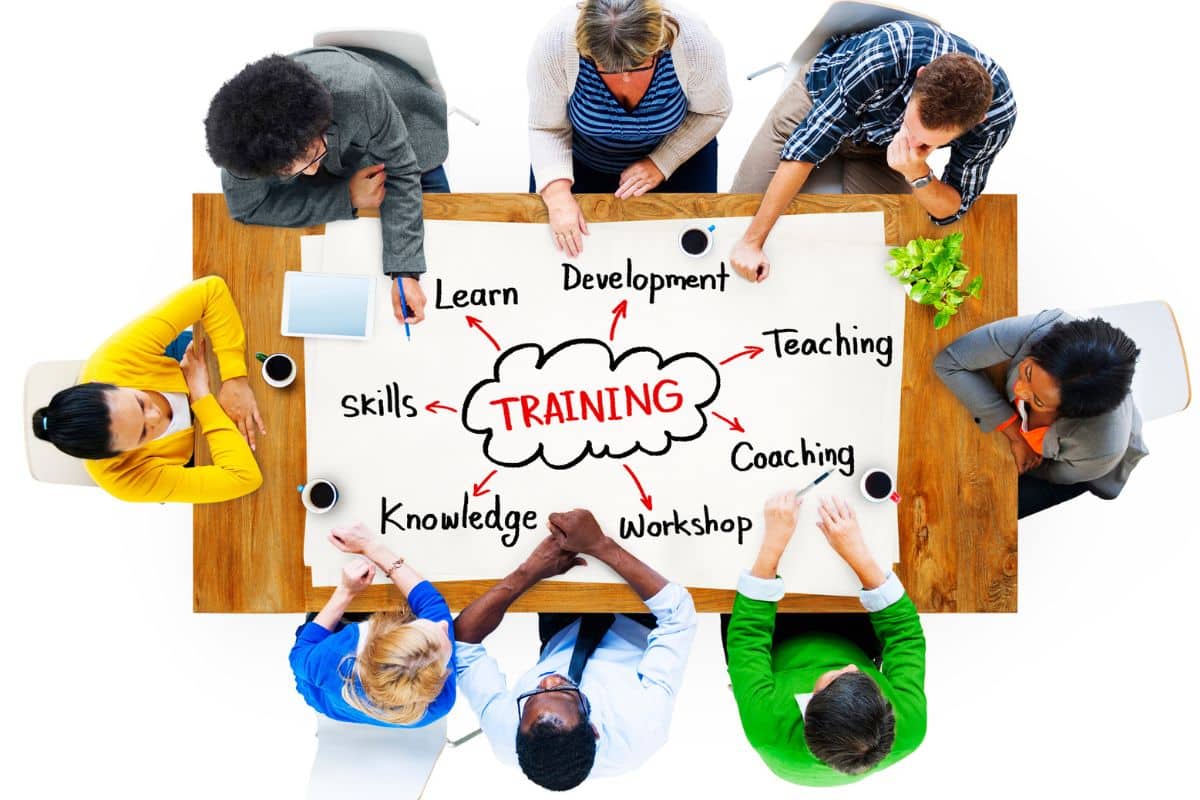
4. Leverage Training Management Software
Training management systems play a pivotal role in putting a skills taxonomy into action. Once the taxonomy is established, this software helps link specific employee training programs to the skills and proficiency levels outlined in the skill taxonomy framework. Companies can automate and streamline learning pathways by leveraging training management software, ensuring employees receive targeted training that addresses skill gaps or improves existing skill competencies.
These platforms also enable real-time tracking and assessments, providing insights into employee progress against the skills taxonomy. By continuously monitoring skill development, training management software ensures that the taxonomy remains a dynamic tool for guiding upskilling, reskilling, and ongoing professional growth. This ultimately leads to better alignment between workforce capabilities and business objectives.
5. Incorporate Feedback and Iteration
A skills taxonomy should not be static; it must evolve. Incorporating feedback from managers, employees, and industry experts is crucial to ensuring the taxonomy remains relevant and effective. Regularly reviewing and iterating on the taxonomy allows the organisation to adapt to emerging trends, new technologies, and evolving workforce demands. This continuous improvement ensures that the taxonomy stays aligned with changing organisational goals and workforce capabilities.
Benefits of Implementing a Skills Taxonomy
Improved Workforce Planning
A well-structured skills taxonomy enables organisations to plan their workforce more effectively by clearly identifying the skills available within the organisation and those lacking.
Understanding employees’ skills and those needed for future growth allows companies to make more informed decisions about hiring, training, and resource allocation. This insight also helps in succession planning and ensures that critical skills are not lost as employees move up or out of the organisation.
Enhanced Training and Development
Organisations can tailor their training and development programs with a skills taxonomy to address specific skill gaps and future needs. The taxonomy helps identify the skills employees need to advance in their roles or transition to new positions, allowing for more targeted upskilling and reskilling initiatives.
This improves the efficiency of training programs, ensures employees are gaining relevant skills, and supports a culture of lifelong learning and professional growth.
Better Recruitment and Onboarding
Implementing a skills taxonomy framework provides a clear view of available skills and gaps. This approach enhances internal and external recruitment by aligning candidates with job requirements and streamlining onboarding. With a defined skills structure, hiring managers can create precise job descriptions, reduce mismatches, and ensure new hires are aligned with role expectations from day one, leading to a smoother transition and faster productivity.
Performance Management and Career Pathing
A skills taxonomy is essential for performance management and career development. It provides a clear framework for evaluating employee performance against defined skills and proficiency levels. Managers can assess employees’ strengths, identify areas for improvement, and create targeted employee development plans.
The taxonomy framework also helps employees understand the skills they need for career advancement and lateral moves, promoting greater skill mobility within a company.
With a skills taxonomy, career pathing becomes more structured, allowing employees to visualise their progression based on the skills they need to develop. This fosters career growth, empowers employees to take ownership of their development, and improves employee engagement and retention by supporting upward and lateral mobility.
Challenges in Developing a Skills Taxonomy
Complexity and Scope
Building a taxonomy that captures the full range of roles, skills, and proficiency levels across the company can become overly complex and challenging. This is especially true for larger businesses with diverse departments. If the taxonomy becomes too detailed or unwieldy, it can confuse and hinder its practical use.
Solution: Simplify your taxonomy by focusing on critical roles, and skills required and involve cross-functional teams to keep it streamlined and manageable.
Keeping the Taxonomy Up-to-Date
In fast-changing industries, new technologies and evolving skill sets can quickly render a skills taxonomy outdated, reducing its effectiveness. Ensuring the taxonomy remains relevant requires a proactive approach with regular reviews and updates to reflect industry trends and internal changes.
Solution: Set up a consistent review process with input from stakeholders across departments to keep the taxonomy current with both external trends and internal needs.
Aligning Organisational Goals with Skills Taxonomy
A poorly aligned skills taxonomy may focus too much on current needs without preparing the workforce for future business goals. This can lead to skill gaps or misallocated resources. Ensuring that the taxonomy supports both immediate operational requirements and long-term strategic goals is critical for its success.
Solution: Align the taxonomy with both current business needs and future strategies, ensuring regular adjustments as organisational priorities evolve.
Emerging Trends and Innovations in Skills Taxonomy
Integration with AI and Machine Learning
Integrating AI and machine learning into skills taxonomies revolutionises how organisations manage and map workforce capabilities. AI-driven platforms can automatically analyse employee data, job descriptions, and industry trends to help with identifying skill gaps and predicting future needs.
Leveraging machine learning helps companies personalise learning paths and recommend specific training based on individual skill profiles. This allows for more accurate, data-driven hiring, training, and strategic workforce planning decisions, making the entire process faster and more efficient.

Real-Time Skills Assessment
Real-time key skills assessment is emerging as a crucial innovation in skills taxonomy. Unlike traditional annual reviews, real-time assessments allow for continuous monitoring of employee skills as they evolve. By integrating these assessments into daily workflows, managers can gain instant insights into employees’ strengths and areas for improvement. This proactive approach enables quicker adaptation to challenges and ensures training and development efforts remain aligned with evolving needs, creating a more agile workforce.
Global Standardisation of Skills
As organisations expand globally, the need for standardised skills taxonomy across borders has become more critical. Global standardisation provides a consistent framework for defining abilities, making them transferable across industries and regions. This alignment simplifies employee recruitment, training, and development regardless of geographic location and supports global workforce mobility regardless of geographic location. With standardised skills definitions, organisations can ensure that their talent strategies are compatible with international standards, fostering a more adaptable and competitive workforce.
Building an Effective Skills Taxonomy
An effective skills taxonomy aligns your workforce’s capabilities with your organisation’s strategic goals. Gather input from key stakeholders across departments to ensure the taxonomy reflects the diverse skill sets required. It’s crucial to regularly update it to keep pace with evolving roles and technologies.
Integrate the taxonomy into your HR and learning strategies. Use it to guide targeted upskilling and reskilling initiatives. Provide clear pathways for career progression to improve employee engagement and retention. Employee training software like Cloud Assess can streamline this process, making tracking progress easier and ensuring that training aligns with your taxonomy.
Use the taxonomy for strategic workforce planning to respond flexibly to market shifts and anticipate future skill needs. Taking these steps and using the right tools will address current skill gaps and position your organisation for long-term success in a dynamic marketplace.