Understanding the skills within your organisation is the foundation for growth, innovation, and long-term success. Skills mapping is a strategic approach that allows businesses to identify the essential skills they possess and uncover gaps and opportunities for development.
Taking deliberate steps to map out these skills helps companies align their workforce’s capabilities with their goals, ensuring they’re well-equipped to meet the challenges ahead.
What is Skills Mapping?
Skills mapping is the process of identifying and visualising existing employee skills and comparing them to the skills required to meet business objectives. It’s an essential element of a broader skills management process that helps to assess skill gaps, overlaps, and areas for development. This ensures that the workforce’s abilities align with organisational goals.
This process highlights existing capabilities and assists in future workforce planning, allowing companies to stay agile and effectively address emerging skill needs.
Unlike a skills framework, which provides a structured model for defining and categorising job-based skills, skills mapping focuses on real-time evaluation of current skills against business needs.
Download a Free Skills Mapping Template
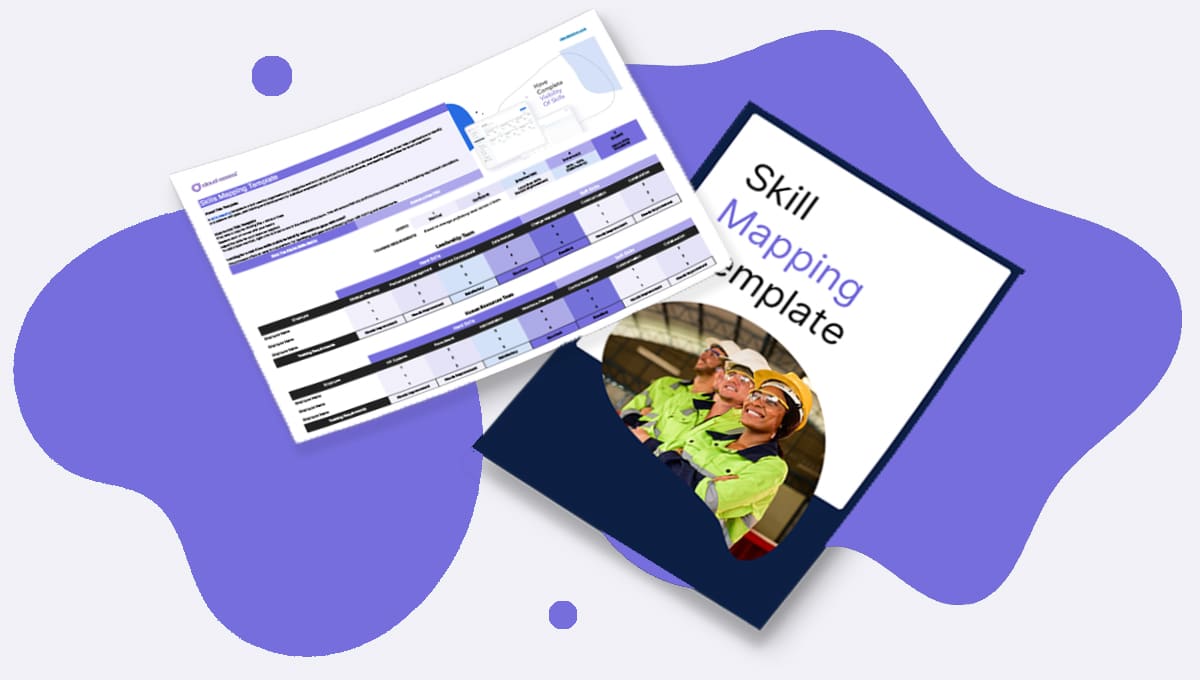
Starting the process of mapping skills across your teams can be a daunting prospect. That’s why we’ve created a free, customisable template to get you started. Add employees and the hard and soft skills you value most, and start mapping abilities across your workforce today.
The Importance of Skills Mapping
1. Identifies Skill Gaps
Every business evolves, and with this evolution comes the need for new skills. Skills mapping helps you pinpoint the areas where your workforce may lack the expertise required to achieve your strategic goals. Identifying skill gaps enables you to prioritise training and recruitment strategies and plays a crucial role in boosting employee engagement.
When employees see that their skills are being developed to meet current and future demands, they feel more valued and invested in the company’s success. This proactive approach mitigates risks associated with skill stagnation and positions your company to seize new opportunities.
2. Improves Workforce Planning
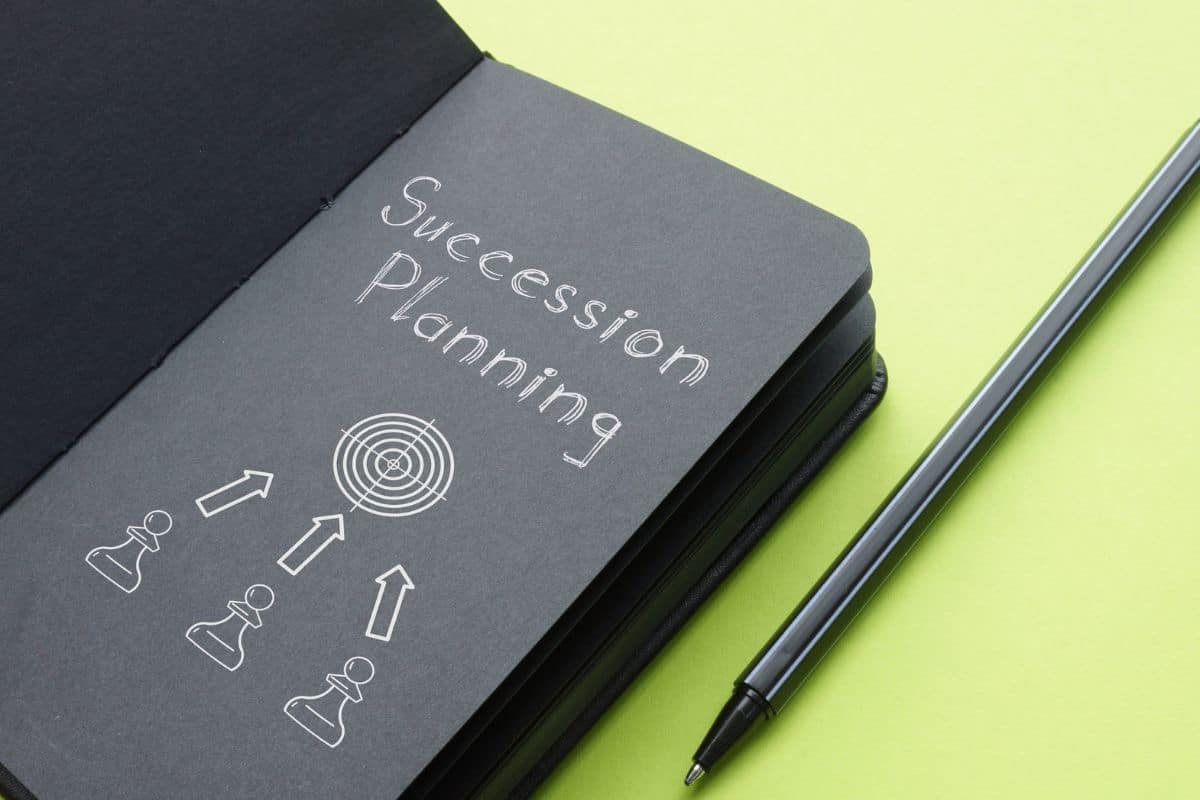
Strategic workforce planning is essential for aligning your team’s skills with the company’s long-term goals. Skills mapping provides detailed and valuable insights to make informed decisions about role assignments, project management, and succession planning.
Understanding your employees’ current skills and how they align with organisational needs enables you to optimise resource allocation. It ensures that the right people, with the right skills, are in the right roles. This approach helps maintain a well-balanced and capable workforce that drives the business forward.
3. Facilitates Strategic Decision-Making
In a rapidly changing business landscape, clearly understanding your organisation’s skills inventory is invaluable for strategic decision-making. Skills mapping provides leaders with critical data to make informed decisions about future initiatives, such as entering new markets, adopting new technologies, or restructuring teams.
Having a clear view of existing skills and where gaps exist allows leadership to confidently pursue growth opportunities and navigate challenges with a well-prepared workforce. This strategic foresight ensures your business remains agile and prepared for future challenges.
4. Supports Employee Development
Employee development is a key factor in retaining top talent and fostering a culture of continuous improvement. Skills mapping is vital in identifying skill gaps and areas where employees have growth potential.
Understanding your existing employees’ current skills allows you to create targeted employee development plans that improve their abilities and prepare them for future roles. This personalised approach to continuous professional development boosts employee morale and ensures that your existing workforce remains agile and capable of adapting to changing business needs.
Components of an Effective Skills Mapping Process
- Identifying key skills: Determining the necessary skills required for specific roles or business objectives is the foundation for skill mapping, as it defines what skills are necessary for success. For example, a company might identify “data analysis” and “communication” as critical skills for a business analyst role.
- Skill assessment: Assess employee skills, competencies, and proficiencies using self-assessments, peer reviews, or manager feedback. For example, employees could rate their proficiency in leadership and project management software.
- Gap analysis: Allows for comparing employees’ current skills with the required skills and helps identify skill gaps. For example, a gap can be determined if a marketing specialist has basic skills in “SEO” but lacks advanced content strategy.
- Skill prioritisation: Determine which power skills are most critical to the organisation’s success and prioritise them for development. For instance, a company might prioritise digital marketing and critical thinking” (a soft skill) for immediate development.
- Development planning: This involves creating targeted professional development plans to close skill gaps and ensure alignment with business needs. For example, a company may offer specialised training in cybersecurity for IT teams and leadership workshops for managers.
- Skill taxonomy: The skills taxonomy component allows companies to organise and categorise skills into groups like technical skills, soft, or digital skills. It serves as a framework for standardising the other components, skill identification, assessment, and development.

6 Steps to Implement Skills Mapping
1. Define Objectives
The first step in implementing a skills mapping exercise is to clearly define the goals you want to achieve. Are you mapping skills to identify gaps for future projects, prepare for new technology, or optimise the talent pool for current objectives?
Defining clear objectives ensures the skills mapping process aligns with broader company goals. These objectives will guide how you collect data, which skills to focus on, and how to prioritise the mapping process’s results.
2. Gather Data
Once your objectives are set, the next step is to gather data on your company’s existing skills. This can be done through a combination of employee self-assessments, manager evaluations, and performance data.
Many companies use software tools or surveys to streamline the data-gathering process for the skill mapping exercise. The aim here is to build a comprehensive inventory of both hard and soft skills across different departments and roles, allowing you to establish a detailed view of your existing workforce’s capabilities.
3. Analyse and Map Skills
After collecting the data, the next step is to analyse it and map the skills. This involves categorising the skills relevant to specific job roles, departments, or projects.
Skill mapping software or visualisation tools can help present this data in an easily digestible format, such as a heatmap or skills matrix. The goal is to identify patterns, gaps, or redundancies in the workforce’s skill set, enabling a better understanding of where development is needed.
4. Develop Action Plans
You can develop targeted action plans to address the identified skills gaps or surpluses based on the analysis. This could involve creating employee training programs, hiring for specific skill sets, redeploying talent, or upskilling employees.
The action plan should include clear timelines, budgets, and responsibilities to ensure effective execution. It’s essential to prioritise actions based on business needs, available resources, and future goals to ensure the efforts align with strategic objectives.
5. Communicate and Implement Your Action Plan
A critical step in the skill mapping process is effectively communicating the action plan to all stakeholders, including team leaders, managers, and employees. Transparency about the skills mapping results and the reasons behind the proposed actions helps gain buy-in and ensure collaboration.
Once communicated, implement the action plan through the relevant channels, whether through HR processes, training programs, or a hiring process. Make sure employees understand how their development and skill growth align with the organisation’s broader objectives.

6. Monitor and Update
Skills mapping is not a one-time task—it requires ongoing monitoring and updates. As business needs, technology, and workforce dynamics change, so must your skills map. Regularly evaluate the progress of your action plans, measure their impact, and make adjustments as needed.
Keeping the skills mapping process dynamic ensures your organisation stays prepared to meet evolving challenges while fostering a culture of lifelong learning among employees.
Challenges in Skills Mapping
Data Accuracy and Completeness
A skills mapping initiative relies heavily on accurate and complete data about employee competencies. Incomplete or inaccurate self-assessments, outdated job descriptions, or lack of standardised metrics can result in a skewed understanding of the company’s skill landscape.
Solution: Implement standardised assessment tools and regular evaluations. Using objective performance metrics and feedback from multiple sources can improve data reliability and ensure a more accurate picture of employee skills.
Keeping Up with Changing Skill Requirements
As industries evolve and new technologies emerge, the skills required for roles can change rapidly. Organisations may struggle to keep their skills mapping current, leading to outdated action plans or missed opportunities for reskilling.
Solution: Regularly review and update the skills matrix based on market trends, industry advancements, and internal business goals. Conduct periodic skills audits and collaborate with department leaders to identify emerging skill needs and address them proactively.
Integration with Other HR Processes
A skills mapping project should align with other human resources (HR) processes like recruitment, performance management, and succession planning. Lack of integration can lead to misalignment between skills development and broader HR strategies, reducing the impact of skills mapping efforts.
Solution: Ensure that skills mapping is embedded into broader HR systems, such as performance management software, learning management systems (LMS), and talent development frameworks. This creates a seamless flow between identifying skills gaps, recruiting for specific roles, and providing targeted training programs.

Tools and Technologies for Skills Mapping
Skills Mapping Software
Skills mapping software provides a centralised platform to collect, organise, and visualise employee skills. These tools allow organisations to create skills inventories, track skill levels, and map them against business needs. Features often include skills assessment templates, dashboards for data visualisation, and tools for generating a skills matrix, enabling HR teams and managers to identify gaps and opportunities easily.

Alternatively, companies can use skills matrix software if they need a structured way to track employee skills and competencies. However, if broader functionality is required, skills management software may be a better fit. It offers skills mapping, tracks skill development, manages competencies, and provides learning and development recommendations. This makes it ideal for long-term talent management and strategic workforce planning.
Assessment Software
Assessment software helps companies evaluate employee skills through various methods, including quizzes, tests, and self-assessments. This software enables the collection of quantifiable data on individual and team skills, providing a clearer picture of strengths, weaknesses, and development areas. It can be integrated with skills mapping tools to update employee profiles and guide future training initiatives based on real-time assessments.
AI and Automation in Skills Mapping
Artificial Intelligence (AI) and automation are increasingly used in skills mapping to streamline data analysis and make more accurate predictions. AI-powered tools can automatically assess skills based on employees’ job performance, training history, or external data such as LinkedIn profiles.
These tools can identify emerging skill trends, recommend personalised learning paths, and automate the mapping process to enhance efficiency and precision.
Future Trends in Skills Mapping
Emerging Skills and Industry Demands
As industries evolve, the need for new and emerging skills is growing rapidly. Skills mapping will increasingly focus on identifying and tracking these future-ready skills, such as data literacy, digital transformation, AI, and sustainability expertise.
Organisations will need to stay ahead of industry trends. Proactively mapping these emerging skills, developing strategies and taking advantage of funding initiatives, such as AI Upskilling Fund to upskill or reskill employees, can help businesses meet the demands of rapidly changing markets. Technological advancements, shifting consumer behaviour, and global priorities, such as sustainability and digitalisation, will drive this trend.
Integration with Learning and Development
In the latest learning and development trends, it’s becoming increasingly clear that skills mapping will be more integrated with learning and development (L&D) strategies. This provides a continuous feedback loop between skills identification and employee development.
This integration will allow organisations to foster a learning culture where employers can consistently deliver personalised learning experiences. It will also help them develop targeted training programs based on each employee’s current skills and career path.
As learning platforms evolve, skills mapping tools will increasingly offer real-time updates, enabling dynamic learning paths that respond to shifts in employee progress and organisational needs. This approach will ensure that L&D initiatives are more targeted, relevant, and aligned with business objectives, fostering a culture of continuous learning.

Increased Use of Data Analytics and Predictive Insights
The future of skills mapping will heavily rely on advanced data analytics and predictive insights. Companies worldwide will use big data to analyse workforce trends, performance metrics, and industry benchmarks to make more informed decisions about talent development opportunities.
Predictive analytics can forecast future skills needs based on evolving market conditions, technological advancements, and organisational goals. These allow companies to stay proactive in filling gaps before they become critical. This trend will make skills mapping more forward-looking and strategic, helping companies prepare for current and future challenges.
FAQs on Skills Mapping
How is Skills Mapping Different From Competency Mapping?
Skills mapping focuses on identifying individual skills within the workforce and matching them to business needs. On the other hand, competency mapping involves a broader approach that includes skills, knowledge, behaviour, and attitudes required for specific roles. While skills mapping helps with immediate workforce needs, competency mapping provides a more holistic view of employee capabilities.
Can Skills Mapping Be Applied Across Different Departments and Industries?
Yes, skills mapping can be tailored to any department or industry. Whether in healthcare, manufacturing, IT, or education, the process of identifying, categorising, and addressing skill gaps is adaptable to different organisational needs. Skills mapping can help improve cross-functional collaboration, role specialisation, and strategic alignment across various industries.
How Often Should Skills Mapping Be Updated?
Skills mapping should be updated regularly, ideally every 6-12 months or during significant business or industry changes. Continuous monitoring ensures that the organisation remains agile and can address emerging skills gaps quickly. Updates are essential when introducing new technologies, regulations, or strategic goals.
How Can Skills Mapping Support Diversity and Inclusion Initiatives?
Skills mapping can play a crucial role in diversity and inclusion efforts by providing a clear, data-driven view of employee capabilities, free from bias. It allows organisations to identify and develop talent based on skills rather than personal attributes. This ensures employees from diverse backgrounds are given equal opportunities for development, promotion, and leadership roles.