Types of Employee Development Plans
Performance-Based Development Plan
This employee development plan aims to improve an employee’s current performance. It is typically used when specific areas need improvement or when an employee is preparing to take on more advanced responsibilities. It focuses on refining workplace skills directly tied to job performance, setting measurable goals, and offering targeted competency training to bridge gaps. Regular feedback and performance reviews are integral to its success, helping employees stay on track.
Leadership Development Plan
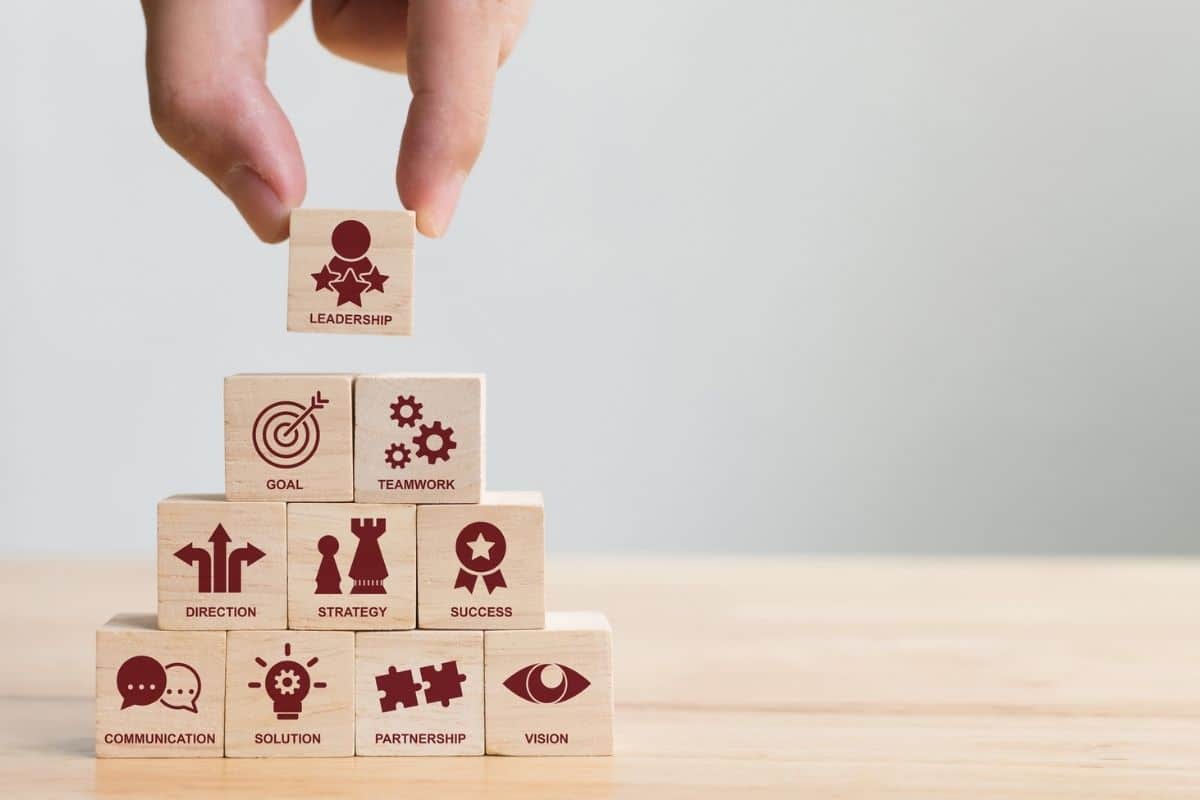
This professional development plan is designed for employees who show potential for leadership positions. It focuses on developing critical management power skills such as decision-making, communication, and strategic thinking. Leadership development often includes mentoring, workshops, and opportunities for employees to take on greater responsibilities. The goal of this employee development plan is to prepare future leaders who can guide teams and make informed decisions that benefit the organisation.
Succession Planning Development Plan
Succession planning ensures that key organisational roles will be filled seamlessly as current leaders retire or move on. This employee development plan identifies high-potential employees and prepares them for future leadership or specialised roles. Through targeted training, mentoring, and cross-functional assignments, succession planning reduces the risk of disruption and ensures the company is equipped with a pipeline of capable leaders.
Personal Development Plan
Tailored to an employee’s interests and aspirations, this plan focuses on developing skills that may not directly relate to their current role but contribute to their overall growth and well-being. It can include time management, stress reduction, or even learning a new language. A personal development plan can boost motivation, job satisfaction, and overall employee engagement.
Cross-Training Development Plan
This staff development plan helps employees develop skills outside their primary role, allowing them to perform various organisational functions. Cross-training promotes flexibility and prepares employees to fill in for colleagues when needed, enhancing teamwork and operational efficiency. A good employee development plan for cross-training also helps employees better understand the company, which can improve problem-solving and decision-making.
How to Create an Effective Employee Development Plan
1. Assess Employee Goals and Organisational Needs
The first step in creating a successful employee development plan is understanding the employee’s career aspirations and the organisation’s broader needs. Conduct one-on-one discussions with employees to uncover their goals, whether they want to improve current skills, learn new ones, or advance to leadership roles.
Simultaneously, assess the organisation’s objectives, whether it’s growth in a particular department, succession planning, or filling skills gaps. This will help you ensure alignment between employee ambitions and business goals. This alignment is crucial for crafting a plan that supports employee growth and company success.
2. Identify Skill Gaps and Development Needs
Once you understand the goals, the next step is to assess where skill gaps exist. This can be done through 360 performance reviews, feedback from managers, or employee self-assessments. Identifying specific areas where the employee needs development, whether it’s technical expertise, soft skills, or leadership capabilities, helps in crafting targeted training. It’s essential to look at current gaps and anticipate future needs based on the employee’s career trajectory and evolving organisational goals.
3. Set SMART Goals
An effective employee development plan includes goals that are well-defined and actionable. Setting SMART goals (Specific, Measurable, Achievable, Relevant, Time-bound) ensures that both the employee and manager are clear on what success looks like.
Instead of vague goals like “improve leadership skills,” a SMART goal would be, “Complete a leadership development course and lead two team projects within the next six months.” SMART goals give employees a clear path to follow and provide metrics to measure progress, ensuring accountability.
4. Provide Necessary Resources and Support
An employee development plan will only be successful if employees have access to the right tools and resources. This could include professional development courses, access to mentors or coaches, job shadowing, or even funding for certifications or advanced education. It’s essential that the organisation provides ongoing support throughout the development process. Managers should also play a key role, offering guidance, facilitating access to resources, and being available for regular check-ins to ensure that employees are making progress.
5. Use Technology to Manage Development Plans
Technology can play a crucial role in managing employee development plans effectively. Numerous platforms allow you to track progress, set reminders for key milestones, and offer learning resources. For example, learning management systems (LMS) provide training modules, track completed courses, and monitor progress in real-time.
On the other hand, competency management systems can help identify the skills and competencies required for various roles and track employees’ progress towards acquiring these skills. Modern HR tools can streamline setting objectives, tracking performance, and delivering feedback.
Leveraging these technologies allows for efficient management of each individual employee development plans, ensuring that both employees and managers have access to real-time data and insights that facilitate effective development.
5. Create a Clear Timeline for Development
Setting a timeline is essential for maintaining momentum in an employee development plan. As you create development plans, consider breaking down the process into short-term and long-term goals to ensure consistency and measurable progress.
A clear timeline gives employees a sense of direction, helping them prioritise their development alongside their daily responsibilities. Regular milestones, such as completing a training course or reaching a specific performance goal, should be defined and tracked. This structured approach keeps the plan on track and ensures accountability.
6. Monitor Progress and Provide Feedback
The final step in creating employee development plans is continuous monitoring and feedback. Regular check-ins between employees and their managers are essential to ensure that the development plan stays on course. These meetings should focus on progress and provide opportunities to adjust the plan, if necessary, based on changes in employee goals or organisational needs.
Constructive feedback is vital for motivating employees and guiding them through challenges. Offering positive reinforcement for milestones achieved also helps to keep morale high and encourages further growth.
What Does an Employee Development Plan Look Like?
A generic employee development plan template might include the following sections:
- Employee Information: Basic details such as the employee’s name, position, and department.
- Development Plan Type: The type of plan (e.g., performance-based, skills development, leadership development).
- Development Goals: Specific, measurable objectives the employee aims to achieve.
- Skill Gaps/Development Needs: Areas where the employee needs improvement or new skills to meet their goals.
- Action Plan: The steps or actions the employee will take, such as training, mentorship, or projects, to bridge the skill gaps.
- Timeline: A clear schedule with milestones, outlining when each development activity should be completed.
- Resources Needed: The tools, training programs, or support required for the employee to succeed.
- Progress Evaluation: Criteria for monitoring and assessing the employee’s progress over time.
- Feedback & Adjustments: Regular opportunities for feedback and any necessary revisions to the plan based on ongoing performance and learning.
Why is an Employee Development Plan Important?
Benefits for Employers
Higher Productivity and Engagement
A well-structured development plan encourages continuous learning and growth, which directly impacts employee motivation and performance. Employees who have access to continuous professional development opportunities are 15% more engaged, contributing to better performance and productivity. This heightened engagement translates to increased productivity, as employees are more likely to contribute their best efforts when they see a path for career growth.
Retention Of Top Talent
Developing employees isn’t just about filling skill gaps—it’s an employee retention strategy. According to this report, 45% of employees are more likely to stay at a company if they receive regular training. So, offering opportunities for growth through personalised development plans shows that the company is invested in their future, reducing the risk of losing top performers. This helps organisations avoid costly turnover and talent shortages, while boosting employee retention rates.
Succession Planning and Leadership Pipeline
Employee development planning is essential for building a leadership pipeline. It ensures that as key positions become available, internal candidates are equipped with the necessary skills and experience to step into these roles. This reduces the need for external recruitment and accelerates the transition process, maintaining business continuity while developing leaders who are already aligned with the company’s culture and vision.
Benefits for Employees
Career Advancement and Job Satisfaction
Employees without a clear path to advancement often experience career stagnation, leading to disengagement and dissatisfaction. Incorporating personal and professional goals into development plans enables businesses to help employees see how their efforts contribute to their career progression and the company’s success. This enhances job satisfaction and reduces the risk of career stagnation.
Skill Acquisition And Personal Growth
Development plans focus not only on job-specific skills but also on personal growth. Employees gain access to a variety of learning opportunities, whether through workshops, mentorship, or on-the-job training. This broadens their skill sets, allowing them to tackle more complex tasks, increase their versatility, and contribute more meaningfully to the company.
Increased Performance
By clearly identifying areas for improvement and development, these plans help employees perform better in their current roles. Regular feedback and goal-setting enable employees to sharpen their skills, close performance gaps, and achieve their full potential. As a result, they become more efficient, effective, and confident in their abilities.

Set Your Team Up for Success With a Strategic Employee Development Plan
A well-designed employee development plan enhances skills, improves retention, and drives productivity across your organisation. Offering structured growth opportunities and clear metrics for success allows you to empower employees to take ownership of their professional journey while ensuring company goals are met.
Incorporating the right tools, such as training management systems, allows for seamless implementation and tracking, ensuring employees and employers stay on the same page. Make development a priority and watch your workforce thrive.
Employee Development Plan FAQs
What Role Does The Employee Play In Creating Their Development Plan?
One of the barriers of employee development is the passive approach employees adapt to their learning. But they should be active participants in their development plans. They should identify personal career goals, discuss skill gaps with their manager, and take ownership of their learning by seeking out relevant resources.
Can Employee Development Plans Be Applied To Team Development As Well?
Yes, development plans can be adapted for teams by focusing on collective goals, skill-building, and collaboration. This approach fosters team cohesion while addressing individual strengths and areas for improvement.
What Should A Manager Do If An Employee Isn’t Meeting The Goals In Their Development Plan?
If an employee isn’t meeting their goals, the manager should provide timely feedback, reassess the plan, and identify any obstacles. Adjusting timelines or providing additional resources might help get them back on track.
Are Employee Development Plans Different For Remote Or Hybrid Workers?
Yes, remote or hybrid plans may require more emphasis on digital skills, time management, and virtual collaboration. Regular check-ins and flexible learning options are crucial to accommodate the unique challenges of remote work.
What Are The Common Pitfalls To Avoid When Creating An Employee Development Plan?
Avoid setting vague goals, neglecting regular reviews, and failing to align the plan with both employee and company objectives. To keep it effective, ensure the plan is realistic, measurable, and adaptable.
How Do You Measure the Success of an Employee Development Plan?
The success of an employee development plan can be measured through regular performance reviews, tracking progress toward specific goals, and gathering feedback from both employees and managers. Metrics such as improved productivity, skill acquisition, and employee retention rates also provide valuable insights.