Careers are no longer fixed or linear. Roles are evolving, teams are shifting, and employees want real opportunities to grow without leaving a company. For organisations, that means finding smarter ways to support movement within the business. This includes transitions across teams, departments, and job levels.
When organisations plan and support career movement, both the business and its people benefit. It keeps skills current, fills roles faster, and gives employees strong reasons to stay and grow. Without a clear approach, even high-performing talent can get stuck or overlooked.
In this guide, you’ll find:
- What is Career Mobility?
- Career Mobility vs Skill Mobility
- Internal vs External Mobility
- Types of Career Mobility
- Benefits of Career Mobility
- Strategies to Build a Strong Career Mobility Program
- How to Turn Career Mobility into a Strategic Advantage
What is Career Mobility?
Career mobility is the movement of employees into new roles, jobs, or industries. It’s about developing skills and exploring new career paths. These changes often involve new responsibilities and evolving job functions. When done well, career mobility aligns employee interests with evolving job requirements.
Career Mobility vs Skill Mobility
Career mobility is about how people move between roles or jobs over time. It focuses on changes in position and responsibilities.
Skill mobility is about how people apply their skills across different roles. They can do this even if they stay in the same job. It’s more about adaptability than movement.
Internal vs External Mobility
Internal career mobility happens when employees move to new roles within the same company. These moves might be upward, lateral, or into different departments.
External mobility happens when employees leave one organisation to take a new role in another. This could involve a promotion, a career change, or a move to a new industry.
Types of Career Mobility

Vertical Mobility
Vertical mobility involves movement up or down in job level. Upward mobility refers to a promotion into a role with more responsibility or higher rank. For example, moving from a general team member to a management position.
Downward mobility refers to a move into a lower-level role. For example, moving from a management position back into a general team member. This can happen due to performance issues, organisational changes, or personal choice.
Lateral Mobility
Lateral mobility refers to movement across roles at the same job level. These moves don’t involve a promotion or demotion but still offer new experiences and skill development.
For example, a site coordinator might shift to a safety compliance role without a change in job grade. These transitions allow employees to build new skills while staying at the same level within the organisation.
Hybrid Mobility
Hybrid mobility combines both vertical and lateral movement. It involves a change in job level and job function at the same time.
For example, a team leader on the shop floor might move into a junior role in a different department. This could include shifting into a logistics coordinator position. The move involves a change in function and a step down or sideways in job level. It’s often part of a longer-term employee development plan.
Cross-Functional Mobility
Cross-functional mobility involves a change in department or job function. It allows employees to move between different areas within the same organisation. This type of mobility helps build a broader understanding of how the business operates.
For example, a logistics planner might move into a procurement role to gain experience with supplier management. These transitions help employees gain insight into different parts of the business. They also support ongoing career growth within the organisation.
Geographic Mobility
Geographic mobility involves moving to a new physical location for work. This can include a transfer between branches, offices, or project sites in different regions or countries.
For example, a nurse might transfer from a rural clinic to an urban hospital. These moves often support business expansion or staffing needs. They can also align with employee career plans that involve a change in location.
Project-Based or Temporary Mobility
Project-based or temporary mobility involves short-term assignments outside an employee’s role. These assignments have clear time limits and focus on specific goals or outcomes.
For example, a warehouse manager might step into a temporary role to coordinate regional operations during a peak season. These projects give employees the chance to contribute to high-impact work. They also help them gain experience in a different area of the business.
Benefits of Career Mobility

Benefits for Organisations
Reduces Recruitment Costs
Hiring internally helps reduce recruitment costs. When employees move into new roles within the business, there’s less need for external hiring. This cuts spending on job ads and reduces reliance on recruitment agencies and external employee onboarding.
Internal hires adapt faster. This is because they already understand the company’s systems, culture, and workflows. This shortens the learning curve and lowers the overall cost of filling a vacancy.
Improves Employee Retention
Giving employees room to grow inside the organisation supports employee retention. When people see a clear path forward, they’re more likely to stay.
Internal mobility programs and career mobility initiatives reflect the organisation’s commitment. They show investment in the current workforce. These efforts support internal talent development and give employees reasons to stay. Employees who feel supported in their development are less likely to look elsewhere. This reduces turnover and helps keep valuable skills in-house.
Boosts Employee Engagement
Opportunities to move into new roles can improve employee engagement. When people see career advancement opportunities, they feel more valued and motivated.
It also helps employees stay interested in their work. New challenges and role changes break routine. This keeps employees mentally invested and connected to the organisation.
Builds a Future-Ready Workforce
Preparing for future business needs requires agility. A workforce equipped with the right skills for the future of work can shift and adapt more effectively in response to change. As employees move into new roles, they gain experience in different areas. This broadens their knowledge, skills, capabilities, and competencies.
When companies identify and develop internal talent, they can fill future roles more quickly. This supports long-term business continuity.
Benefits for Employees
Greater Flexibility
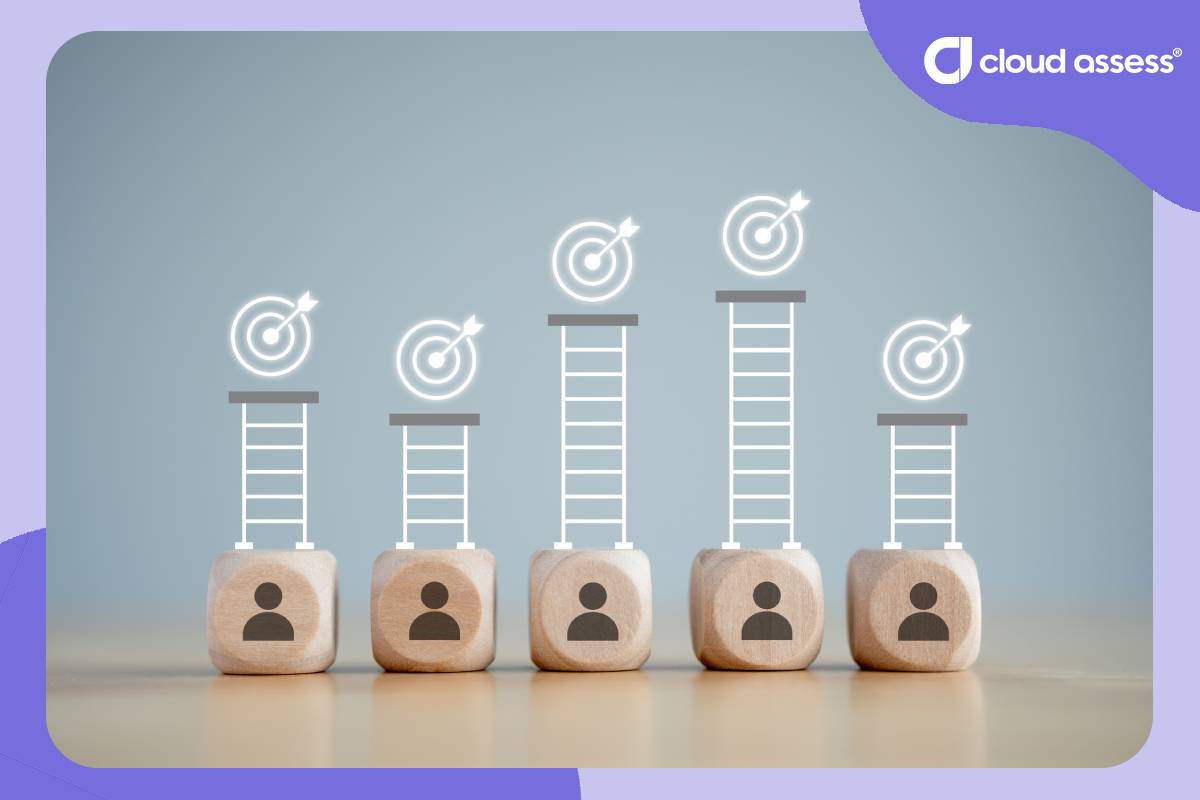
Employees want more control over their careers. Career mobility is a talent strategy that gives employees the freedom to shape their own path. It opens up growth opportunities they can actively choose. That might mean stepping into a new role. Or making a lateral move within the same organisation to gain exposure to a different function or team. It could even mean scaling back responsibilities to match changing personal circumstances.
This kind of flexibility empowers people to align their work with their evolving priorities. Some want to advance quickly. Others want to balance work and family. Many want to gain experience in new areas. It recognises that careers aren’t always linear. Different stages of life call for different kinds of support.
Alignment with the Future of Work
As work evolves, roles and job demands are changing. Career mobility helps employees stay aligned with those changes. It allows them to move into roles that reflect what the future of work requires.
Through mobility, employees gain exposure to new technologies, processes, and ways of working. These experiences help them stay adaptable and ready for shifts in the industry. Ongoing movement keeps employees connected to emerging priorities. It ensures they remain relevant as the workplace continues to change.
Alignment with Personal Interests and Strengths
Career mobility gives employees the chance to move into roles that match what they’re good at and what they enjoy. It allows people to shape their careers around their natural strengths and evolving interests.
For example, someone working in operations may discover a strong interest in training or mentoring. Mobility makes it easier to explore those areas. This alignment improves daily motivation and long-term job satisfaction.
Improved Job Satisfaction and Career Security
Staying in the same role for too long can lead to career stagnation. Without new challenges, employees often feel stuck or overlooked. They may believe the organisation doesn’t have any new challenges for them to explore.
Mobility offers a clear path forward. It gives people more control over where they go next. They can stretch into new responsibilities or explore different areas of the business. When they see real opportunities to grow, they feel more secure and valued. It also lifts day-to-day satisfaction. New roles bring progress. They bring fresh energy, renewed motivation, and a sense of momentum that keeps people engaged.
7 Strategies to Build a Strong Career Mobility Program

1. Assess Your Current State
Start by mapping how employees move across roles within the organisation. Look at internal hiring data, employee feedback, and any existing mobility programs. Pay attention to patterns. Where are workers advancing easily? Where do they get stuck? Which roles need frequent external hiring because internal talent isn’t moving up?
These insights can reveal hidden barriers. You might find and identify skill gaps that limit who’s ready for new roles. Or processes that make internal moves feel too complicated. Spotting these early gives you a clear starting point. You can fix what blocks movement and design better systems that enable career mobility and reduce employee turnover.
2. Identify and Remove Structural and Cultural Barriers
Another internal mobility strategy is to remove the barriers that block movement. These might include rigid hierarchies, siloed departments, or managers who don’t want to lose their best people. Sometimes, it’s simply a lack of clear pathways or transparent information about open roles.
Promoting career mobility depends on more than job postings. It requires enabling employees to move freely across teams and roles. Build processes that encourage lateral moves and cross-team transitions. Create real incentives for leaders to back internal movement, not block it. Use internal networks and technology to make opportunities easier to find. The more visible the paths are, the less they rely on who you know or informal referrals.
3. Map Out Clear Career Pathways and Role Transitions
Employees need to see what growth actually looks like. Map career paths across different functions, job levels, and locations. Be clear about what employee skills and experience are necessary to move from one role to another. Use training programs, job rotations, and foundational courses to support these steps.
Make sure employees know what options are open to them. Help them understand how to get there and what resources they can use along the way. This supports employee growth by showing clear steps. It also helps employees understand how their current role connects to future opportunities.
4. Align Learning with Career Mobility Goals
Training has the most impact when it’s tied to movement. Use learning to help employees prepare for specific roles, transitions, or job levels, not just to build general skills. Structure learning pathways around career progression. Create employee training programs for common role shifts. These might include moving from team member to supervisor or transitioning between departments.
Offer short, targeted learning at key points, before a lateral move, during onboarding for a new role, or in preparation for upward mobility. Make learning visible, accessible, and clearly connected to mobility outcomes. When employees see how training leads to real career movement, they’re more likely to engage and more confident in taking the next step.
5. Create Career Conversations and Coaching Moments

Career growth shouldn’t only come up once a year. Make it part of regular check-ins and team meetings. Train managers to start real conversations about goals, interests, and what’s next. These check-ins support career development and uncover potential for internal talent development.
They keep employees connected to their long-term goals. They also create space to talk about lateral moves, development opportunities, or when someone is ready for a bigger role. Frequent, open dialogue makes mobility feel like a normal part of work.
6. Integrate Mobility into Performance and Development Reviews
Tie mobility to how the organisation measures and rewards progress. Encourage managers to bring mobility into performance reviews. Ask them to track internal moves, stretch roles, and skill-building in development plans. This connects individual growth to broader business goals. It also sends a clear message that the company values mobility and sees it as a strength.
Hold managers accountable for helping their teams build the skills needed to take the next step. Ask them to raise mobility opportunities during regular check-ins. When they do, mobility becomes part of everyday planning. Not something employees have to chase on their own.
7. Communicate Opportunities with Transparency and Support
Employees can’t apply for roles they don’t know about. Make opportunities easy to find. Build a central platform for internal job postings, short-term projects, and lateral moves. Keep the process clear and accessible to everyone.
Share eligibility criteria, timelines, and application steps. Offer job rotation options and support new internal hires with structured onboarding. Use real success stories to show how internal moves help people grow and make a bigger impact. The more visible these pathways are, the more confident employees feel about making a move.
Turn Career Mobility into a Strategic Advantage
Careers are shifting. Business needs are changing. Organisations that use the right system to track workplace skills gain clear insights. They can easily discover employees who are great candidates for new roles.
Cloud Assess helps you map skills, identify gaps, and track progress in real time. This ability turns career mobility into a strategic advantage. It supports talent retention, helps close skill gaps, and builds a more adaptable workforce.
When employees move confidently, they do so with the right training. They also have clear evidence of their skills. This helps the entire organisation move forward with them. Career mobility is not just something to enable, it is something to lead with.
Book a demo or start your Explore Pricing today to see how Cloud Assess can power your workforce transformation.