Thriving teams know that collaboration is essential to achieving shared goals. But how can organisations turn this principle into a learning strategy? Collaborative learning creates a space for teams to tackle challenges together. It embodies elements of team-based education and peer-driven knowledge sharing that encourage dynamic skill and knowledge development.
This approach actively engages participants, fostering a sense of ownership and creativity. As more organisations adopt collaborative learning, understanding its benefits and strategies can transform traditional training into a powerful, people-centred experience.
What is Collaborative Learning?
Collaborative learning is an educational approach where individuals engage in team-based education, working together in small groups or teams to achieve shared learning objectives. This method involves active participation and open communication, allowing participants to collectively exchange perspectives, share knowledge, and solve problems. Through structured interaction, collaborative learning promotes deeper understanding and reinforces knowledge among group members.
Collaborative vs. Cooperative Learning
While both collaborative and cooperative learning involve group work, they differ in approach and structure.
Collaborative learning focuses on open-ended exploration and collective skill-building. Participants contribute ideas freely, and learning emerges as they engage in group dialogues, exchange feedback, and co-create solutions. Roles are flexible, and the process is more organic, fostering deeper understanding through collective discussion.
Cooperative learning is structured around specific tasks, with assigned roles and responsibilities for each participant. The goal is often to complete a task or master a skill, emphasising efficiency and clear outcomes.
Collaborative learning encourages broader exploration, while cooperative learning emphasises organised roles and targeted objectives.

Types of Collaborative Learning Activities
Group Discussions and Forums
Group discussions and forums create an interactive space where participants share ideas, ask questions, and explore different perspectives on a topic. By engaging in open dialogue, individuals gain insights from their peers and develop a deeper understanding of the subject. Forums enable asynchronous participation, allowing members to reflect and respond thoughtfully at their own pace.
Peer Reviews
Peer reviews involve participants providing constructive feedback on each other’s work or ideas. This peer-driven knowledge sharing enhances critical thinking and helps learners identify strengths and areas for improvement within their own work by evaluating others. Peer reviews can be structured to ensure criteria are met, guiding employees to provide feedback that is helpful and focused.
Project-Based Learning
In project-based learning, participants actively collaborate to tackle a complex project, working together through research, planning, and execution stages. This shared intellectual effort enhances communication and teamwork, requiring participants to coordinate tasks, share knowledge, and leverage collective skills to achieve a common objective. By emphasising collaboration, project-based learning builds accountability, reinforces the practical application of knowledge in team settings, and develops teamwork skills essential for group-based real-world tasks.
Role-Playing and Case Studies
Role-playing and case studies immerse participants in collaborative problem-solving by requiring group interaction and discussion to explore real or hypothetical scenarios. Participants assume complementary roles or analyse cases collectively, fostering a shared understanding of situational challenges. This group-based approach encourages critical thinking through collective input, promotes empathy by sharing diverse perspectives, and strengthens the ability to evaluate outcomes collaboratively based on collective actions.
Examples of Collaborative Learning in Action
New Hire Onboarding Programs
Employee onboarding programs often use collaborative learning to integrate new employees into the organisation’s culture and workflow. Organisations encourage learning through direct interaction and peer support by placing new hires in small groups or pairing them with “buddies” from different teams. Group activities, like team-building exercises or project simulations, help new employees acclimate faster by learning directly from their peers. This approach familiarises new hires with their roles, creates early connections, and fosters a sense of belonging.
Cross-Department Workshops
These team-based education sessions bring employees from various functions together to share knowledge and gain insights into other areas of the organisation. By working in mixed groups, participants learn about different roles, workflows, and challenges other departments face, broadening their perspective on the organisation’s overall goals. These workshops often include hands-on exercises and collaborative projects, which build stronger interdepartmental relationships and encourage workplace skills like collaboration and teamwork. These skills enable employees to gain a more holistic understanding of their work’s impact on the organisation.
Peer Mentoring Programs
These programs pair less experienced employees with seasoned team members, creating a dynamic exchange of knowledge and skills. In these programs, mentors guide mentees through specific challenges, provide feedback on their work, and offer career advice. This relationship fosters a supportive learning environment where mentees feel comfortable asking questions and exploring new skills. Peer mentoring aids in skill development and builds a sense of community within the organisation, as mentors and mentees benefit from shared insights and experiences.
Innovation Hubs or “Hackathons”
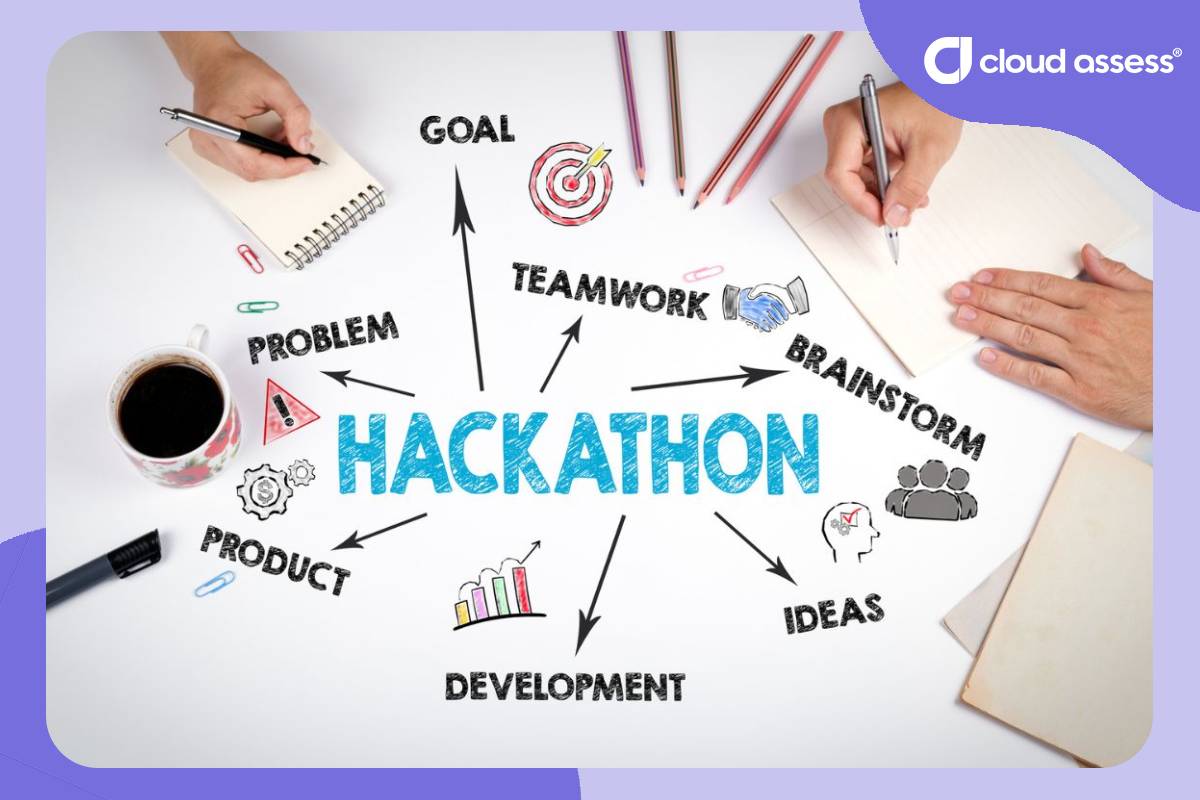
Employees collaborate intensively through innovation hubs or hackathons to develop creative solutions to specific challenges during these events. Typically held over a day or weekend, hackathons bring together participants from different departments to brainstorm, prototype, and present innovative ideas. Working under a tight deadline, teams are encouraged to think outside the box, rapidly test concepts, and iterate based on group feedback. These events foster networking, innovation, strategic thinking, and analytical workforce skills as participants develop projects to drive organisational improvement and create a continuous learning and creativity culture.
Benefits of Collaborative Learning
For Businesses
Enhanced Knowledge Sharing
Effective collaborative learning promotes peer-driven knowledge sharing, fostering open communication and enabling employees to exchange best practices seamlessly across teams. This continuous exchange of information helps build collective expertise within the organisation. Ensuring that critical knowledge is shared reduces the risk of losing valuable insights when employees leave the company, enabling a more resilient transfer of institutional knowledge. It also allows knowledge to flow seamlessly, reduces information silos, and creates a more agile workforce.
Increased Engagement
Group-based learning activities encourage active participation, making employees feel more involved and in the learning process. This improved employee engagement boosts morale, as individuals feel that their contributions matter, resulting in greater motivation and commitment to their roles and the organisation’s goals.
Improved Critical Thinking and Problem-Solving
Working through real-world challenges together helps employees learn to analyse problems from various perspectives, leading to stronger power skills like critical thinking and problem-solving. Collaborative learning encourages innovative solutions as team members challenge each other to think differently and approach tasks creatively.
Faster Skill Development
Through shared learning experiences, employees gain skills more quickly than in traditional individual training formats. Team members with varying expertise help each other grow, facilitating rapid skill acquisition. This accelerates the organisation’s ability to deploy skilled employees where needed most, fostering greater skill mobility across roles or departments.
Team Building
Collaborative learning fosters a sense of unity as employees work together to achieve common objectives. This teamwork builds stronger relationships and trust within teams, enhancing cooperation and making it easier to tackle future projects collaboratively.

For Employees
Skill Enhancement and Continuous Learning
Collaborative learning encourages employees to expand their skill sets, often exposing them to new perspectives, tools, and techniques. This continuous learning model enhances individual competencies and supports personal growth and adaptability in their roles.
Increased Confidence and Job Satisfaction
Working with peers and receiving positive reinforcement builds confidence. Collaborative learning empowers employees to take ownership of their work, leading to increased job satisfaction as they see the impact of their contributions within a team context.
Improved Communication and Interpersonal Skills
Employees develop essential communication skills through group discussions, peer feedback, and collaborative projects. This interaction improves active learning, listening, empathy, and conflict management skills, which are invaluable for creating a positive workplace environment.
Greater Sense of Ownership and Accountability
Collaborative learning tasks require individuals to take responsibility for their roles within the group, fostering a stronger sense of ownership over their contributions. This accountability promotes a culture of reliability and self-motivation, as employees see their efforts as integral to the team’s success.
Opportunities for Networking and Building Relationships
Group learning activities allow employees to connect with peers they may not regularly interact with. This networking enables employees to build professional relationships and a support network, which can benefit personal and continuous professional development.
How to Implement Collaborative Learning
1. Set Clear Objectives and Expectations
Define specific training objectives for each collaborative activity so participants understand what they’re expected to achieve. Outline the skills, knowledge, or outcomes you want employees to gain from the experience. Clear objectives help keep everyone focused and motivated, ensuring time and resources are effectively used. Share these goals with the team upfront, along with any guidelines on participation, deadlines, and performance expectations.
2. Create a Supportive Environment
Foster a culture where collaboration is encouraged and employees feel comfortable sharing their ideas without judgement. Emphasis on inclusivity, respect, and open communication helps team members engage meaningfully with each other. Ensure managers and leaders model supportive behaviours, such as active listening and providing constructive feedback, to set the tone for a positive learning environment. Address any barriers to participation, such as hierarchical differences or lack of familiarity with collaborative methods.

3. Assign Roles and Responsibilities
Clearly define roles and responsibilities within each collaborative activity to ensure participants engage in shared decision-making and mutual problem-solving. Assign roles based on each individual’s strengths or learning goals—such as leaders, note-takers, presenters, or evaluators—to enhance the group’s collective effort rather than focusing solely on individual tasks. By working interdependently, participants can share knowledge, refine ideas through discussion, and build upon one another’s contributions. Rotating roles across activities fosters a deeper understanding of diverse perspectives and strengthens team dynamics.
4. Offer Guidance and Facilitation
Provide guidance to participants to help them stay on track and feel supported throughout the process. Designate a facilitator—this could be a manager, trainer, or team leader—to keep activities organised, address questions, and encourage balanced participation. Facilitation ensures that discussions remain productive, feedback is constructive, and conflicts are managed effectively. Periodic check-ins and encouragement from facilitators can also help maintain momentum and motivation.
5. Choose the Right Tools
Select tools that support collaborative needs, such as learning experience platforms (LXPs) for resource sharing and project management software for task organisation. Video conferencing tools and discussion forums are invaluable for virtual teams, maintaining real-time and asynchronous communication. A well-chosen toolset simplifies task management, keeps teams connected, and fosters an engaging learning environment.
6. Collect Feedback for Continuous Improvement
After each collaborative activity, gather feedback from participants on what worked well and what could be improved. Use surveys, group debriefs, or one-on-one conversations to get honest insights into their experiences. Analyse this feedback to refine future collaborative learning initiatives, addressing pain points and enhancing elements that participants found valuable. Regular feedback loops ensure that your collaborative learning approach remains effective and relevant to evolving employee needs.
Best Practices for Successful Collaborative Learning
Diverse Group Composition
Create groups with a mix of backgrounds, skills, and perspectives to enrich the learning experience. Diversity group composition fosters team-based education, allowing team members to approach problems from multiple angles, increasing creativity and fostering a deeper understanding of complex topics. To promote balanced input, ensure that group members have equitable opportunities to contribute, regardless of seniority or expertise. Encourage managers or facilitators to thoughtfully assign group members to maximise learning and minimise potential groupthink.
Encourage Open Communication
Set up an environment where participants feel comfortable expressing their ideas, asking questions, and offering feedback. Emphasise the importance of active listening and respect for differing viewpoints. Encourage team members to use “I” statements, constructive language, and open-ended questions to maintain a positive and productive dialogue. Guiding communication techniques can help avoid misunderstandings, resolve conflicts, and ensure everyone’s voice is heard.
Implement Reflective Sessions
Incorporate structured time for participants to reflect on their experiences after each collaborative learning session. Reflection encourages individuals to assess their contributions, recognise group dynamics, and identify what they’ve learned. Use techniques like group debriefs, journaling, or one-on-one reflections with a facilitator to allow participants to solidify their learning. These sessions help reinforce key takeaways and support continuous improvement, allowing individuals to bring valuable insights into future collaborations.
Balance Structure with Flexibility
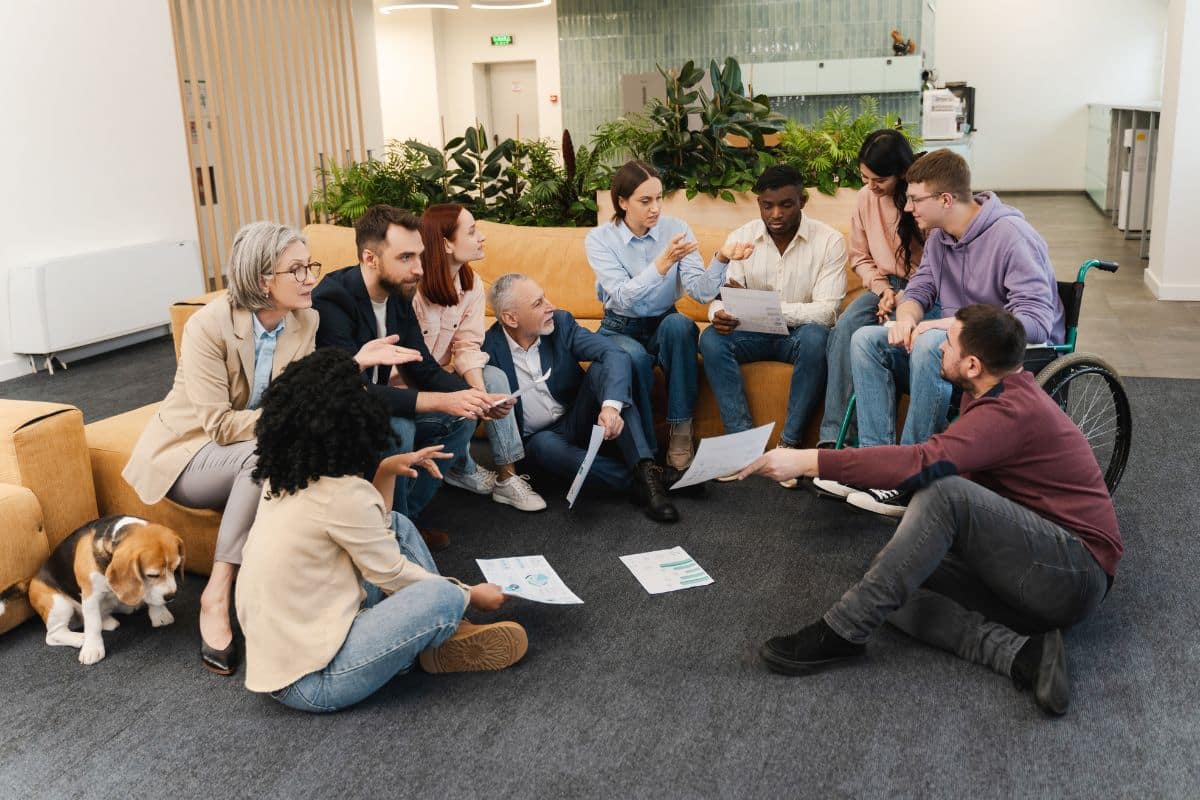
Design collaborative activities with clear guidelines while allowing flexibility for creativity and adaptability. Provide a basic framework—such as objectives, roles, and timelines—but allow participants to explore different approaches within that structure. A balanced approach ensures that teams stay focused on their goals while encouraging innovation and ownership over the learning process. Allowing for flexible pathways in collaborative learning keeps participants engaged, motivated, and invested in finding solutions together.
Collaborative Learning Theories
- Social Constructivism (Vygotsky). The Vygotsky Scaffolding Theory highlights learning as a social process. At its core is the “Zone of Proximal Development” (ZPD), where learners accomplish tasks they couldn’t achieve alone, with support. In collaborative learning, participants help each other close knowledge gaps, allowing everyone to progress within their ZPD. This theory emphasises dialogue, shared problem-solving, and peer support, making it essential for team-based learning environments.
- Cognitive Apprenticeship (Collins, Brown, and Newman): Allan Collins, John Seely Brown, and Susan Newman’s Cognitive Apprenticeship theory adapts the traditional apprenticeship model to cognitive learning. It suggests that learners build knowledge through observing, practising, and receiving feedback from more experienced individuals. In collaborative learning, this approach involves novices working alongside mentors or skilled peers, progressively building mastery as support is gradually reduced.
- Communities of Practice (Lave and Wenger): Jean Lave and Etienne Wenger’s theory of Communities of Practice presents learning as joining a community with shared knowledge and practices. Collaborative learning applies this by creating groups where members co-create expertise and solve problems together. Newcomers typically start by observing and then become more involved, fostering a sense of belonging and shared purpose.
- Constructive Controversy (Johnson and Johnson): David and Roger Johnson’s Constructive Controversy theory views intellectual conflict as a driver for learning. This theory encourages team members to explore varied perspectives and respectfully challenge each other’s ideas in collaborative settings. Through structured discussions, learners critically assess different arguments and develop more rounded solutions, seeing diverse opinions as valuable for growth and understanding.
- Transformative Learning Theory (Mezirow): Jack Mezirow’s Transformative Learning Theory centres on shifting perspectives through reflection and discussion. In collaborative learning, this theory encourages individuals to examine their assumptions and adapt based on group interactions. Learners engage with new perspectives, prompting critical reflection and, in some cases, a rethinking of previously held beliefs. This approach supports personal growth, self-awareness, and adaptability in a collaborative environment.
3 Challenges of Collaborative Learning and How to Overcome Them
1. Group Dynamics Issues
Collaborative learning often brings together individuals with diverse personalities, levels of motivation, types of learning styles and work preferences. This can lead to conflicts, uneven contributions, or dominance by certain group members. These issues can disrupt the learning process and lead to frustration among participants.
Solution. Assign clear roles, establish group work norms, and use project management tools to make responsibilities visible. Encourage regular check-ins to address any emerging issues early.

2. Time Management
Coordinating schedules and managing time effectively can be difficult in a collaborative setting, especially when learners have varying availability and workload capacities. Time management challenges can lead to delayed tasks, missed deadlines, or rushed work, affecting the quality of learning and outcomes.
Solution. Use shared calendars, task trackers or a time management matrix to set deadlines and break down tasks, ensuring realistic pacing. Encourage teams to review timelines periodically to keep everyone aligned, and introduce time management techniques to help individuals stay on track. Providing time management training can further support learners in effectively balancing collaborative and individual responsibilities.
3. Assessment Difficulties
Assessing collaborative learning work can be challenging, as gauging each participant’s contribution and learning is often tricky. Traditional assessment methods may not fully capture the collaborative learning process, making ensuring fair and accurate evaluation hard.
Solution. Implement different types of assessment including peer and self-assessments, with clear criteria for individual and group contributions. Supplement with reflections to provide a fuller picture of each learner’s experience and growth.
Measuring the Impact of Collaborative Learning
- Qualitative Assessments. Gather collaborative training feedback through surveys, focus groups, and reflective journals to understand learners’ experiences, engagement levels, and perceived value of the collaboration. Look for insights on communication, teamwork, and analytical skills.
- Quantitative Metrics. Track completion rates, assessment scores, and participation data to measure engagement and knowledge acquisition. Use metrics like project outcomes, task completion times, and attendance in collaborative sessions to quantify progress.
- Long-term Impact on Team Performance. Assess improvements in team cohesion, productivity, and collaborative skills over time. Monitor for increased confidence in teamwork, smoother workflows, and enhanced problem-solving abilities in future projects.
Embracing Collaborative Learning for Stronger Teams
Incorporating collaborative learning into your organisation’s development strategy can foster stronger, more adaptable teams. Employees build critical skills and develop trust, communication, and a shared sense of purpose by working together on meaningful projects.
Embracing this approach encourages continuous learning, enhances problem-solving, and creates a culture where team members actively support one another’s growth. As collaborative learning becomes a natural part of your organisation, teams will become better equipped to tackle complex challenges, drive innovation, and achieve sustained success.