Effective employee evacuation procedures are essential to safeguard staff during emergencies. These protocols and training can prove invaluable in crises, protecting employees and the business from significant risks and potential losses.
Establishing or updating these procedures also means prioritising quality emergency evacuation training. This is particularly important for deskless workers, who must be prepared to act promptly and appropriately in emergencies.
In this blog, we’ll cover:
- The importance of evacuation procedures
- Best practices for general evacuation training
- Why preparation is crucial to overall safety
The Importance of Emergency Evacuation Training & Procedures
Emergencies can strike any business at any time, making it essential to have a plan in place to protect employees. Emergency evacuation procedures empower everyone by ensuring they know the steps to take during crises, whether it’s natural disasters, fire emergencies, chemical spills, or active shooter situations. Emergency preparedness helps employees respond quickly and effectively, minimising risks.
These procedures are particularly vital for deskless workers—often found on assembly lines or in other non-desk-based roles—who need a clear, practised evacuation plan to ensure their safety without the early warnings others may receive. Thorough training on these procedures is critical to protecting all employees, especially those in deskless positions.
Emergency Evacuation Procedures: Step-by-Step Guidelines for Workplaces
Ensuring the safety of all employees, visitors, and personnel during an emergency is essential. Following a structured evacuation procedure helps organisations protect everyone involved and manage emergencies effectively. Here’s a step-by-step guide for workplace emergency evacuations.
1. Prepare for an Evacuation
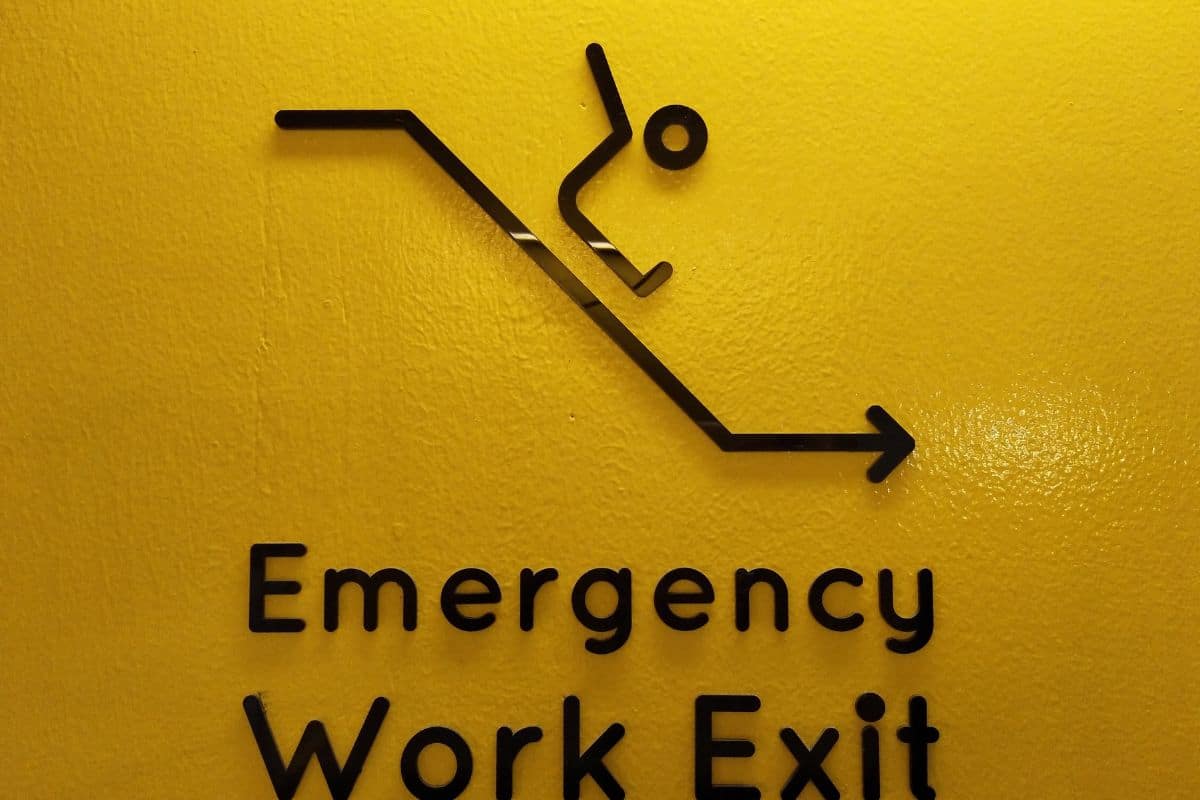
Preparation is the foundation of any effective evacuation plan. Familiarity with building layouts and exit routes helps ensure swift and safe evacuation.
- Identify all exits: Employees should know the workplace’s evacuation plan, including all primary and secondary exit routes.
- Participate in drills: Regular drills ensure everyone understands the evacuation protocol and their role.
- Emergency kits: Keep emergency kits with flashlights, first aid supplies, and communication tools at accessible locations within the workplace.
2. Stay Calm and Inform Others
Remaining calm can prevent panic, making evacuation safer for everyone involved. Encouraging employees to stay composed during emergencies can make a significant difference.
- Model calmness: Employees should follow procedures to ensure quick, rational decision-making.
- Alert others: If someone notices an emergency, they should activate alarms and notify others immediately.
3. Follow Instructions and Evacuation Procedures
Following the directions of building management and emergency personnel is vital for safety.
- Listen and respond: Employees and visitors should listen to directions from emergency responders or building announcements.
- Use the nearest safe exit: Exit promptly through the nearest safe route and avoid elevators, which may be unsafe during emergencies.
4. Prioritise Safe and Swift Evacuation
Balancing speed with caution is critical, especially in workplaces with diverse personnel and visitors.
- Assist individuals with additional needs: Employees should assist anyone requiring extra support, such as individuals with disabilities or limited mobility.
- Close doors behind you: This can help contain hazards like fire or smoke, protecting others in the building.
5. Use Alternate Routes if Necessary and Stay Low
Knowing alternative strategies can improve safety if primary exits are blocked or smoke is present.
- Stay low to avoid fumes: Staying close to the ground reduces exposure to smoke and toxic fumes.
- Know your alternate routes: Employees should be aware of secondary exit options and use them when primary routes are inaccessible.
6. Gather and Account for All Individuals at the Assembly Point
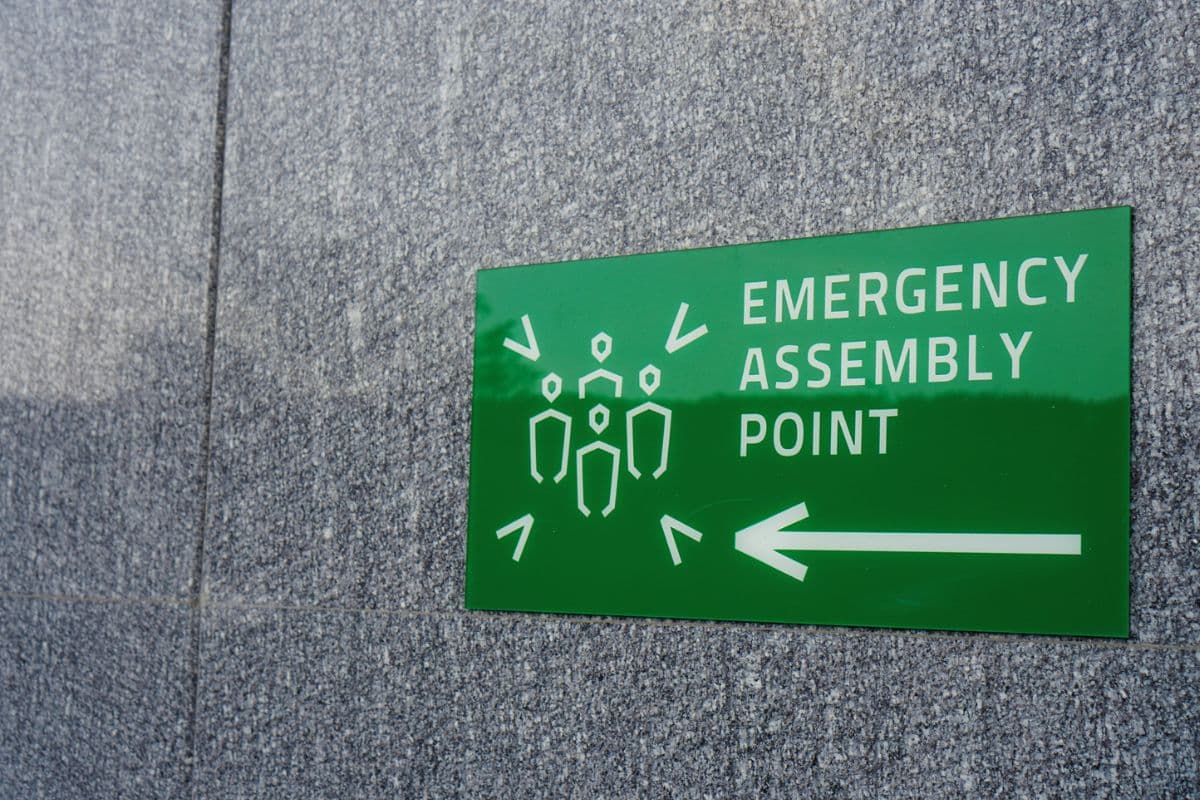
Upon exiting, all employees and visitors should proceed to the designated assembly point to ensure everyone’s safety.
- Assemble at the designated area: Move directly to the assembly point without re-entering the building until cleared.
- Perform a headcount: Conduct a roll call or headcount to confirm everyone’s presence and report any missing persons to emergency responders.
7. Contact Emergency Services and Await Further Instructions
Once assembled, report the emergency and follow any further instructions from local authorities.
- Contact emergency services: Call the local emergency number to report the incident and provide relevant details.
- Await clearance: Follow instructions from emergency personnel and re-enter only when the building is declared safe.
Adhering to these guidelines can help organisations improve the safety of their employees and visitors, fostering a more prepared and secure workplace.
Roles and Responsibilities for Workplace Evacuation Procedures
Emergency Control Organisation (ECO)
The Emergency Control Organisation (ECO) is a designated group responsible for managing and coordinating evacuation procedures within the workplace. It ensures all safety protocols are followed and provides clear guidance during emergencies to protect employees and visitors.
- Chief Warden— Leads the response, initiates evacuation, and communicates with ECO members and emergency services.
- Emergency Coordinator— Supports the Chief Warden by coordinating specific areas or tasks during an evacuation. Their role is to ensure that evacuation procedures are followed correctly in their designated areas, assist with communication to team members, and provide updates on any challenges or individuals requiring assistance.
- Area/Floor Wardens— Conducts area sweeps, ensures no one is left behind, and guides people to the nearest exits.
- First Aiders— Provides immediate medical assistance and coordinates with emergency responders.
- Support Staff— Assists wardens and helps individuals requiring extra support during evacuation.
Emergency Services Coordination

The Emergency Services Coordination team is responsible for liaising with external emergency responders, such as fire, medical, and police services, during an incident. This team ensures that emergency personnel have the information they need to respond effectively and efficiently, facilitating a coordinated effort to protect everyone on-site.
- Notification protocols: Uses alarms and announcements to alert employees and visitors to an emergency.
- Information provision: Ensures everyone knows exit routes, assembly points, and evacuation procedures.
Responsibilities of Employees and Visitors
- Employees. Follow instructions from wardens and ECO members, assist others if safe, and proceed to assembly points.
- Visitors. Adhere to guidance from staff, evacuate promptly, and stay at assembly points until further notice.
Critical Elements of a Workplace Evacuation Plan
A comprehensive workplace evacuation plan should include essential elements to ensure safety, with specific guidelines varying by region. For example, emergency evacuation plan Australian standards, such as AS 3745 provide guidance, while in the UK, the Regulatory Reform (Fire Safety) Order 2005 provides the regulatory framework.
Key elements include:
- Establishing an ECO and an Emergency Planning Committee (EPC): These entities help develop and maintain the emergency plan and coordinate evacuations during emergencies.
- Emergency Plan: Create a written emergency plan that outlines procedures for various scenarios, communication methods, and necessary training.
- Evacuation Diagrams: Post clear, visible evacuation diagrams throughout the facility, showing exit routes, assembly points, and emergency equipment locations.
- Clear Passageways and Escape Routes: Ensure all escape routes are unobstructed, clearly marked, and direct. For example, UK guidelines require escape routes to be short and accessible.
- Adequate Exits and Emergency Doors: As specified in many national standards, the building should include sufficient exits for safe evacuation and emergency doors that open easily.
- Emergency Lighting: Equip escape routes with emergency lighting to guide occupants, especially in low-visibility situations.
- Training and Drills: Conduct regular training and evacuation drills to familiarise all occupants with emergency procedures, with special training for ECO members.
- Assembly Points and Accountability: Designate safe assembly points where employees and visitors can gather post-evacuation and conduct a roll call to ensure everyone is accounted for.
- Special Provisions for Mobility Needs: Include tailored evacuation support for individuals with disabilities or mobility challenges to ensure everyone’s safe exit.
- Review and Maintenance: Regularly update the emergency plan, especially following facility or occupancy changes, to keep it practical and compliant.
Training Employees on Emergency Evacuation Procedures
Training employees on emergency evacuation procedures in the workplace ensures they understand and can follow safety protocols during emergencies. Effective training includes guidance on safe evacuation routes, designated assembly points, and communication with colleagues and emergency responders. Regional standards, such as the above mentioned Australia’s AS 3745, outline minimum requirements for emergency plans, though similar frameworks exist globally.
Training should cover evacuation routes, exits, and communication protocols, so employees know where to go and how to communicate in an emergency. Regular training and drills, including for new hires, reinforce these procedures, keeping everyone prepared and promoting a safe workplace culture.
8 Benefits of Emergency Evacuation Training
1. Reduced Liability
Addressing emergencies in your risk assessment is essential for managing business risk. When evacuation training aligns with these assessments, employees are better equipped to follow established procedures, reducing potential liabilities like workers’ compensation claims, lawsuits, revenue loss, and damage to brand reputation.
2. Minimised Panic and Injuries
Employees trained in emergency procedures are less likely to panic or make errors during a crisis. This training reduces the likelihood of injuries or fatalities, especially in high-risk situations involving hazardous materials, fire, electrical or manual handling hazards.
3. Lower Financial Losses
In addition to protecting lives, effective training can help prevent costly damage to buildings, facilities, and operations during a disaster. With a well-established plan, businesses can minimise disruption, reduce losses, and expedite recovery, helping operations resume quickly.
4. Enhanced Compliance with Legal and Regulatory Standards
Adhering to evacuation training requirements helps your business meet local and national safety regulations. This compliance avoids potential fines or penalties and shows a strong commitment to employee and public safety, enhancing trust in your organisation.
5. Improved Coordination and Teamwork
Regular evacuation training fosters workplace skills such as teamwork and communication among employees, which are essential during high-stress situations. Practising coordinated responses enables staff to work together more effectively in an emergency, ensuring a smooth evacuation process.
6. Increased Confidence and Morale
Knowing there is a clear plan—and they’re prepared to follow it—gives employees confidence in handling emergencies. This emergency preparedness reduces anxiety around potential workplace hazards and can positively impact overall morale.
7. Strengthened Customer and Client Trust
A well-prepared business protects its employees and prioritises evacuating staff and customers, ensuring the safety of everyone on the premises. Customers and clients are more likely to trust businesses committed to their safety.
8. Preserved Data and Intellectual Property
An effective evacuation plan may include securing sensitive data or equipment where feasible. This planning helps prevent the loss of valuable information, proprietary assets, or equipment, supporting continuity after an incident.
3 Best Ways to Conduct Effective Emergency Procedure Training for Employees
Training your workforce on emergency evacuation procedures is essential to ensure they have the knowledge needed to know what to do in crisis situations. Here are three effective methods to integrate emergency procedure training for employees:
1. Provide Interactive Safety Awareness and Training Courses

Emergency training with interactive courses that incorporate real-world information, training videos, and simulations help employees understand your organisation’s specific procedures. Include access to resources that show the location of a fire alarm, emergency contacts, and general evacuation information.
For example, provide an interactive facility map highlighting fire extinguishers, alarms, and emergency exits. Employees can also benefit from fire safety training courses within a learning management system (LMS). Offering training resources through an LMS allows employees easy access, and incorporating this training during onboarding and periodic refreshers ensures consistent knowledge.
2. Deliver Hands-on or Instructor-led Emergency Evacuation Training
Hands-on training equips employees with practical experience in handling emergency procedures. For instance, show them emergency exits, fire escape routes, and how to respond to various hazards, such as chemical spills. Installing evacuation drills and simulations helps reinforce these skills, ensuring employees understand their roles and the correct actions to take during emergencies.
3. Offer Regular Refresher Training and Access to Procedure Resources
Periodic refresher training helps employees remain familiar with emergency guidelines, keeping them prepared even during rare emergencies. Regular fire drills and crisis simulations reinforce the knowledge gained and support a culture of safety.
Providing ongoing access to procedure resources, training updates, and other educational materials ensures employees remain informed and prepared for emergencies.
Emergency Evacuation Training Course
This Follow Procedures for Emergency Situations course provides essential emergency evacuation procedure training for employees and teams to understand their roles during such a crisis situation.
Participants will learn to recognise an emergency situation, operate emergency equipment, and follow evacuation protocols to protect all building occupants. Through real-life scenarios, the course strengthens confidence in managing emergencies effectively, promoting a culture of preparedness and compliance with safety regulations.