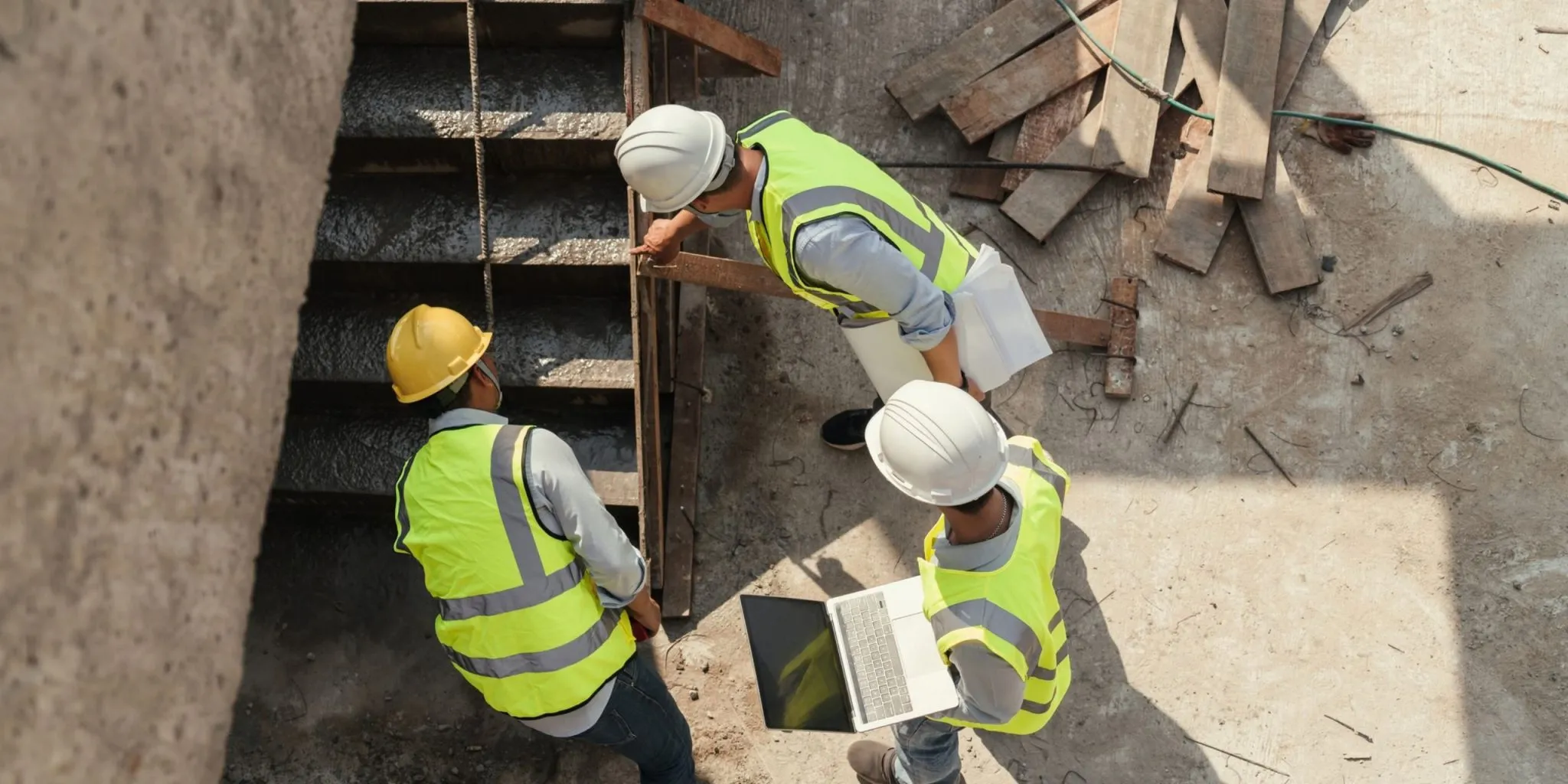
Companies involved in manual handling tasks face significant risks of employee injury, which can lead to downtime, increased costs, and potential legal issues. Whether your staff work in industrial environments, healthcare, or other sectors, manual handling training is essential for safeguarding employee well-being and ensuring compliance with safety regulations.
What is Manual Handling Training?
Manual handling training refers to the process of educating employees on the correct methods for lifting, carrying, pushing, pulling, or moving objects to prevent injury and ensure workplace safety. It involves teaching safe techniques for manual tasks that require physical effort, especially in industries where workers are required to handle heavy loads.
What Are Manual Handling Tasks
Manual handling tasks include lifting, lowering, pushing, pulling and carrying heavy loads at the workplace, which can take place in warehouses, hospitals and home care settings, for inanimate and human loads.

Manual Handling in Industry
Across industrial settings, manual handling tasks can range from assembly, processing, cleaning and sorting, as well as operating machinery and equipment. Manual handling tasks are often risky when involving repetitive actions and postures, such as the handling of bulky items in the heavy manufacturing industry.
Construction, agriculture, moving, and manufacturing are some of the industries which face high risks in manual handling. Warehouse workers who handle trolleys, and stack shelves are also prone to manual handling injuries.
Manual Handling in Aged Care
Healthcare workers such as those who help clients who are disabled, and care workers who work in a hospital or home setting, also need to be equipped with training on the importance of manual handling in aged care. Training is necessary for an injury-free workplace.
For example, aged care workers and nursing students are involved in transferring bed-bound patients from hospital beds to wheelchairs. To prevent manual handling hazards in aged care, the appropriate use of slide sheets is part of safe manual handling practices.

Components of Safe Manual Handling Training
- Understanding Safe Lifting Techniques. This component teaches employees how to lift and move objects properly, emphasising posture, balance, and the use of leg muscles to avoid back strain. Safe manual handling techniques are central to preventing injuries.
- Risk Assessment. Manual handling risk assessment training helps workers identify potential hazards in manual handling tasks and implement strategies to reduce those risks.
- Use of Equipment. Proper instruction on using equipment such as trolleys, lifting devices, or hoists helps employees manage heavy or awkward loads safely. This reduces the need for excessive physical effort that could lead to incorrect manual handling.
- Load Management. This teaches workers how to evaluate and manage loads. It includes determining whether a load is too heavy or bulky to handle manually and when to seek assistance.
- Workplace Ergonomics. Ergonomics involves adjusting the work environment and equipment to fit employees’ needs, promoting comfort and reducing the physical demands of manual handling tasks.

Benefits of Manual Handling Training
1. Increased Awareness and Fewer Risks
Manual handling training is key to protecting employees. It enables them to avoid using a poor manual handling technique and have safe manual handling awareness, which will increase their understanding of risks in their workplace. Employees will then understand that they are responsible for their own safety as well and be able to identify situations that should be avoided.
2. Improved Safety and Reduced Injuries
When employees learn the correct manual handling techniques, they can avoid manual handling hazards such as forceful exertion and awkward postures. This reduces the likelihood of workplace injuries and promotes a safer work environment.
3. Productivity and Cost Savings
With effective manual handling training and controls in place, workers are less exposed to injuries which can result in impacted productivity and reduced profits. There are also cost savings involved when the company incurs less need to compensate employees for workplace injuries.
4. More Effective Communication
Workers and managers should go through the manual handling training together. This will enable managers to emphasise manual handling operations regulations and offer good handling techniques. This communication can create opportunities for effective brainstorming about how to implement appropriate control measures,and enhanced safety procedures in the workplace. Employees are more motivated to communicate and ensure a safe work environment.
5. Opportunities to Practice
Manual handling training helps employees stay refreshed and ensures that they get the opportunity to engage in safe manual handling practices under supervision. Manual handling training courses offer relevant information and manual handling skills to employees during refresher training on effective practices. This helps them improve on things they may have forgotten as well as learn any new techniques that may have been incorporated.

How to Implement Manual Handling Training in the Workplace
Develop Training Programs
Developing manual handling training for employees is vital for workplace safety. Ensure to create a comprehensive program that addresses all key aspects, including proper lifting techniques, load management, risk assessment, and the use of appropriate equipment.
On-the-Job Training vs. Formal Workshops
When implementing training, consider offering both on-the-job training and formal workshops. On-the-job training allows employees to apply the techniques they learn in real-world scenarios immediately. At the same time, formal workshops provide a more structured environment for understanding the theory behind safe manual handling practices. A combination of both methods can reinforce learning and ensure employees are prepared to undertake manual handling operations.

Frequency of Training
Regular health and safety training on manual handling ensures employees remain knowledgeable and up-to-date on best practices. The frequency of training sessions should be determined based on the nature of the tasks, any changes in procedures or equipment, and legal requirements. A refresher manual handling training course should be offered annually or when new workplace risks or challenges are identified.
Incorporate eLearning and Practical Sessions
Blending learning with hands-on practice is an effective way to deliver training in manual handling. An online manual handling course provides a flexible, self-paced way for employees to absorb information. Practical sessions ensure they can apply what they’ve learned in real-life situations. This combination helps reinforce key concepts and ensures employees are competent in applying proper manual handling techniques.
Manual Handling Training Resources
Using training and assessment software for manual handling courses offers flexibility. However, practical, hands-on learning is critical for mastering manual handling techniques. A blended learning approach combines the convenience of eLearning with the real-world benefits of face-to-face demonstrations.
Tools like Explore Pricing provide this combination, offering certification and the ability to assess skills through live video calls. This approach ensures that employees understand the theory and apply it effectively.
Monitoring and Improving Manual Handling Practices
After implementing manual handling training, monitoring how effectively employees apply what they’ve learned is essential. Regular assessments, observations, and feedback sessions can help identify areas for further training or adjustments. Continuous monitoring ensures that the workplace complies with safety regulations and that manual handling techniques are consistently applied correctly.

Manual Handling Courses
Manual handling courses, whether online or in-person, focus on increasing awareness of risks associated with moving human and inanimate loads. They cover risk assessments and teach proper manual handling techniques. Online courses are often complemented by practical demonstrations in face-to-face sessions to reinforce understanding.
Key components of manual handling courses typically include:
- Assessment of participants’ knowledge on safe manual handling practices
- Risk assessments related to manual handling and workplace health and safety
- Safety requirements for manual handling tasks
- Practical demonstration of safe manual handling techniques
Safety and healthcare LMS platforms, like Cloud Assess, are ideal partners for delivering online manual handling training, offering a platform designed for compliance, practical assessments, and blended learning. It allows you to efficiently track skills through digital assessments, logbook entries, and real-time reporting, ensuring your workforce remains up-to-date with safety protocols. By digitising training processes, Cloud Assess helps reduce paperwork and streamline compliance management.