Emerging technologies and evolving workforce demands are revolutionising the ways people work. Skills that were once essential in the workplace are quickly becoming outdated. Companies need to invest in continuous learning to help their teams avoid skill and career stagnation.
One approach that many businesses are adopting is investing in executive sponsorships. These initiatives help organisations understand the importance of skill development at every level. Executive sponsorships are creating strong alignments between learning, business goals, and long-term strategy.
In this article, we explore:
- What an executive sponsor is
- Their key responsibilities
- 8 Ways that sponsors support strategic skill development
- The skills that these roles require
- Common challenges when implementing executive sponsorships
- Techniques for supporting and empowering sponsors
- How executive sponsorships are evolving
What is an Executive Sponsor?

An executive sponsor is a senior leader who works across all levels of the business. They collaborate with workers, management teams and decision-makers. This gives them a strong understanding of the company’s strategy and goals. It also helps them guide decisions that benefit teams and key stakeholders.
The executive sponsor role puts senior leaders in the best position to guide project success and support teams. They are essential for addressing challenges, removing roadblocks, and keeping projects on track. Effective executive sponsorship strengthens team performance. Sponsors help to develop future leaders and foster a culture of continuous learning.
The Strategic Responsibilities of Effective Executive Sponsors
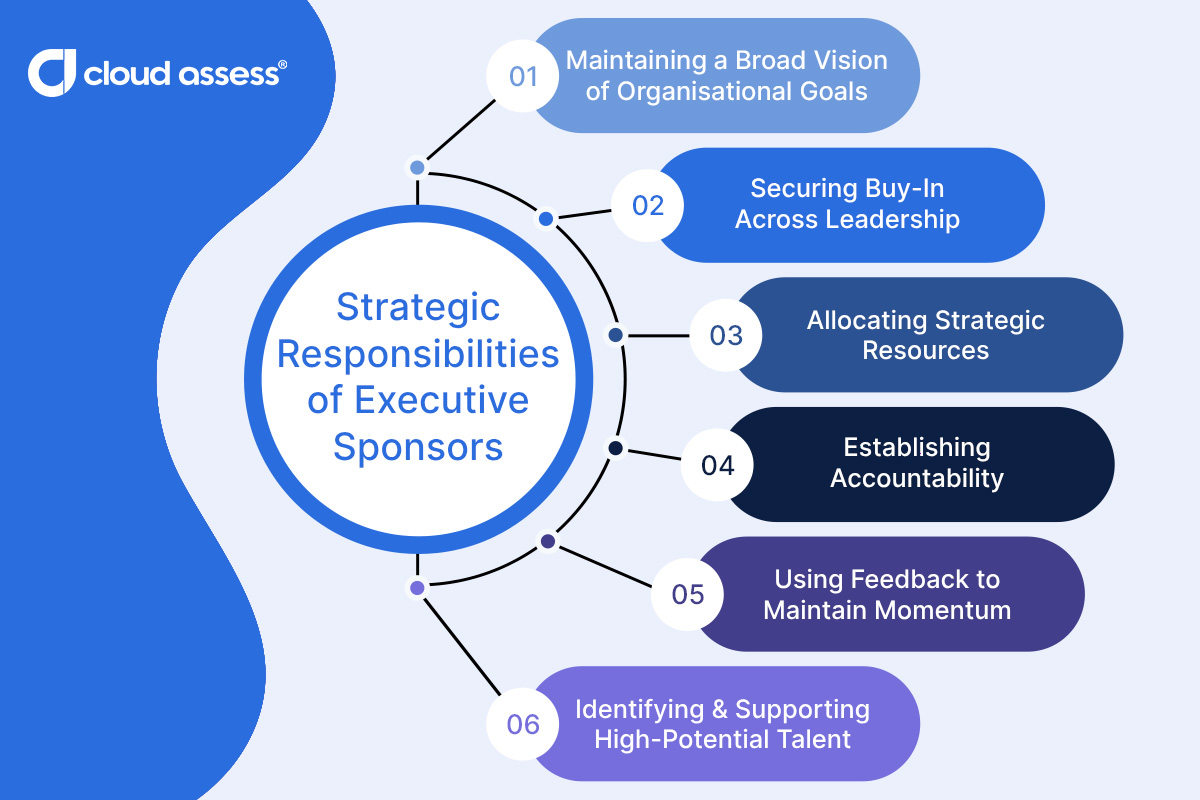
- Maintaining a Broad Vision of Organisational Goals. Executive sponsors help teams stay focused on the bigger picture. They ensure every project supports the company’s long-term goals. This helps align work with the overall business strategy.
- Securing Buy-In Across Leadership. Sponsors work with senior management to gain support for projects. Their influence helps build trust and commitment across departments. This buy-in from management makes it easier to move initiatives forward.
- Allocating Strategic Resources. A key part of executive sponsorship is ensuring projects have what they need to succeed. This includes adequate funding, tools, and skilled people.
- Establishing Accountability. Executive sponsors set clear goals and expectations for teams. They track progress and hold people responsible for outcomes. This helps to ensure every project’s success. It also supports strategic alignment across teams.
- Using Feedback to Maintain Momentum. Sponsors use feedback to guide decisions and solve problems early. This helps them intervene when needed, and pivot or accelerate project elements. It strengthens project management and supports long-term success. Regular check-ins also help maintain momentum.
- Identifying and Supporting High-Potential Talent. Senior management should always look for employees with strong potential. Executive sponsorship helps to identify individuals who could grow into new roles with training. This supports long-term succession planning.
8 Ways Executive Sponsors Power Skill Development

Executive sponsors play a broad role in project management and guiding strategic initiatives. However, they also positively impact organisational growth and employee development. Let’s explore eight key ways executive sponsors prepare employees for future success.
1. Mentoring and Coaching

Executive sponsors offer individuals personalised support and strategic guidance. However, sponsorship is more active and intentional than many mentoring programs. It focuses on preparing individuals to step into greater responsibility with confidence.
Sponsors don’t just open doors. They also ensure talented employees are ready to walk through them. This includes offering honest feedback, sharing leadership insights, and advocating for stretch opportunities. The sponsor–protégé relationship is built on trust and a shared commitment to growth. This makes it one of the most powerful tools for skill development.
2. Strategic Planning
Sponsors use strategic thinking to ensure learning and development (L&D) efforts support business goals. This involves working with leaders to make strategic decisions. These might include identifying future workplace skills. They may also involve deciding how to prioritise training, and where to focus investment.
Through strategic decision-making, sponsors also help teams see the bigger picture. This provides employees with a deeper understanding of how their work contributes to long-term success. Their involvement ensures strategic alignment across departments. It also prevents skill-building efforts from becoming disconnected or short-term. This helps sponsors turn developing skills through training into a long-term, future-ready strategy.
3. Promoting Collaboration
Effective training doesn’t happen in isolation. Executive sponsors encourage collaboration between various departments, team members, and project teams. They help bring together diverse perspectives and break down silos that often block progress. This creates more opportunities for collaborative learning, knowledge exchange, and teamwork.
By connecting people across your organisation, sponsors make it easier to roll out L&D programs at scale. Their leadership helps align teams and keeps everyone working towards a common goal. This collaborative approach leads to stronger employee engagement. It also leads to better outcomes across the board.
4. Resource Management

Executive sponsors play a key role in managing the resources needed for successful L&D initiatives. This includes securing the right L&D budget and allocating human resources. It also involves making sure teams have access to the necessary tools and systems they need to meet expected outcomes. Without necessary resources, even the best training programs can fall short.
Sponsors help remove these barriers by making sure learning programs are well-supported from the start. They advocate for investment where it matters and involve the right people at the right time. This strong resource management enables smoother implementation and better results.
5. Demonstrating Change Management
Introducing new focus areas often means changing the way people work. That’s where the sponsor’s change management skills are vital. Executive sponsors help prepare teams for change. They communicate its value clearly, and manage any resistance. This creates a positive environment that helps people embrace new ways of thinking and working.
Sponsors also model positive behaviour by showing commitment to the change themselves. Their involvement gives employees the confidence to adapt and keeps the business moving forward. With strong change management, sponsors make L&D efforts smoother, faster, and more effective.
6. Setting Realistic Expectations (and Delivering On Them)
Executive sponsorship sets the tone for what success looks like. Sponsors help define clear expected outcomes, realistic timelines, and achievable goals. By doing this, they ensure that teams understand their goals and feel confident in their ability to deliver.
Sponsors also monitor the project’s progress and make adjustments as needed. Their active involvement helps keep initiatives on track and reduces the risk of failure. When expectations are clear and met, it builds trust and commitment. These two things are critical to long-term and individual project success.
7. Inspiring and Motivating Others

Great executive sponsors don’t just guide. They inspire. Their presence energises employees and helps align teams with the company’s mission and vision. By recognising effort and celebrating progress, they make people feel valued and supported.
Sponsors also help employees see how skill development fits into their own growth. They connect training efforts to the career ladder, showing how today’s learning leads to tomorrow’s success. This motivation has a lasting impact, helping people stay committed, engaged, and ready to grow.
8. Driving Continuous Improvement
Skill development is never finished. There are always new opportunities to grow and improve. This is why executive sponsorship promotes a mindset of continuous improvement. It frames learning as part of everyday work. They encourage employees to reflect on what’s working, where there are gaps, and how to improve their work.
Sponsors and senior leaders also support career growth. They push for new learning opportunities and better training systems. This keeps organisations focused on long-term development rather than quick wins. Sponsors are driving forces for continuous professional development. They help to build a lasting learning culture.
Top Qualities of Effective Sponsors
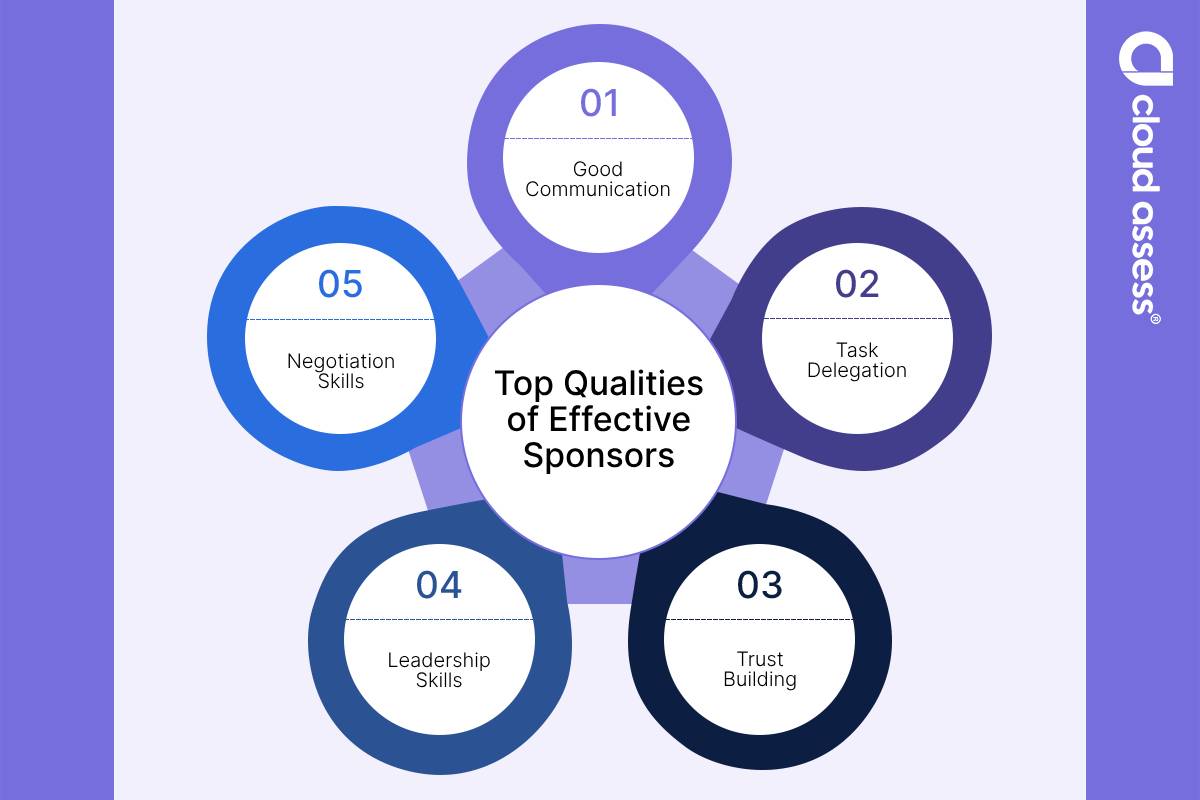
Good Communicator
Executive sponsors need to clearly explain goals, changes, and progress. This helps teams understand what’s expected and why it matters. Good communication skills also build trust and reduce confusion. Sponsors often speak with both senior executives and frontline teams, so clear messaging is key. It keeps everyone aligned and working toward the same outcome.
Task Delegation
Sponsors can’t do everything themselves. They must delegate tasks to the right people and trust them to deliver. Good delegation helps teams stay efficient and focused. It also gives others the chance to grow and take ownership. Sponsors who delegate effectively create stronger, more capable teams.
Trust Building
Trust is the foundation of strong teams. Executive sponsors need to build trust with both executive teams and frontline workers. This means being honest, consistent, and supportive. When people trust their sponsor, they’re more likely to stay committed and speak up early if problems arise. Trust also helps sponsors lead change more effectively.
Leadership Skills
Sponsors guide teams through complex projects and change. Strong leadership skills and qualities help them make clear decisions and stay focused on the end goal. Good leaders also motivate others and keep them engaged. They step in when needed but know when to step back. This balance helps teams stay confident and on track.
Negotiation Skills
Sponsors often need to balance different priorities and viewpoints. Strong negotiation skills help them find solutions that work for everyone. They may need to secure budget, adjust timelines, or manage expectations. Good negotiators keep things moving without creating conflict. This skill helps sponsors protect both the project and the people involved.
What Happens When Sponsorship Fails? Common Challenges
Absentee Sponsors
When sponsors have competing priorities or are unclear of what’s expected from their role, it can lead to disengagement. This directly impacts project direction and momentum. Teams may feel unsupported, or unclear on their own priorities. It can also lead to key decisions becoming delayed.
Solution: Set clear expectations for sponsor involvement from the start. This should include a schedule for regular check-ins. It should also promote visible support throughout the project.
Micromanagement
Sponsors who try to control every detail can slow progress. Micromanagement can also quickly undermine team confidence. This creates confusion between strategic guidance and operational ownership.
Solution: Define boundaries early. It’s also important to ensure operational tasks stay with project leads. Executive sponsors should focus on high-level support.
Inconsistent Messaging
Mixed messages from sponsors can confuse teams and weaken trust. This can make it hard to align efforts across departments.
Solution: Provide talking points or alignment briefs. This will help sponsors communicate consistently. It will also reinforce shared goals.
Too Much Demand
When sponsors face too many demands, they may struggle to stay engaged or responsive. This can cause delays and lead to poor decisions.
Solution: Distribute responsibilities across a support team. It’s also important to prioritise areas where a sponsor will add the most value.
How to Empower Executive Sponsors to Lead Skills Strategy

Ongoing Training
Many executive sponsors step into the role with strong leadership skills. However, they’re often senior leaders or strategists, not trainers. As a result, they may not fully understand how to support skill development within teams. Without proper guidance, they can struggle to balance strategy with people-focused responsibilities.
Ongoing training helps sponsors build their knowledge, tools, and confidence. It also shows that your organisation values their role and is committed to long-term success.
- Provide leadership training workshops. Focus on areas like communication, mentoring, and change management. Collaborative formats work well for building confidence and peer support.
- Offer short courses. Self-paced eLearning and microlearning allow sponsors to learn at their own pace. Cover topics such as L&D, skills strategy, and workforce development trends.
- Include peer learning sessions. Give sponsors the chance to share challenges and learn from others’ experiences. This social learning strengthens networks and builds a shared understanding of what works.
- Update training regularly. Keep resources aligned with evolving workforce needs and business priorities. This ensures training stays relevant and effective.
- Encourage self-reflection. It’s important for sponsors to reflect on their impact. Self-assessments can provide valuable insight into areas for improvement. They also highlight successes, which are just as important for maintaining motivation.
Prevent Overload
Executive sponsors are usually senior leaders with wide-ranging responsibilities. Adding too many projects or demands can lead to disengagement, delays, or decision fatigue. When sponsors are stretched too thin, they may struggle to stay responsive or strategic. This weakens their ability to guide skill development and support the teams that rely on them.
By managing workload carefully, businesses can help sponsors stay focused, effective, and motivated. A well-supported sponsor is more likely to stay engaged and deliver long-term impact.
- Limit the number of active projects. Avoid assigning sponsors to too many initiatives at once. Focus their involvement where it will add the most value.
- Assign support roles. Use deputies, program coordinators, or project leads to handle day-to-day logistics. This frees sponsors to focus on vision, influence, and guidance.
- Use clear project dashboards. High-level reports and summaries help sponsors stay informed without feeling overwhelmed.
- Define their role clearly. Set boundaries for when the sponsor needs to step in and when the team can proceed independently.
- Respect their time. Schedule involvement in advance, streamline meetings, and minimise unnecessary touchpoints.
Gather and Act On Feedback
Sponsorship roles can feel isolated without regular input from the teams they support. Without feedback, sponsors may not know how their actions are perceived or where they’re most needed. Missed feedback loops can also lead to repeated mistakes or stall progress. When these issues go unaddressed, it can further team frustrations.
Gathering and acting on feedback ensures the sponsor role continues to evolve and improve. It also helps organisations fine-tune their sponsorship models for better long-term results.
- Collect feedback from project teams. Ask how sponsors are supporting their progress and where improvements could be made.
- Check in with sponsors directly. Find out what challenges they’re facing and what additional support they need.
- Use reviews to identify trends. Look across projects to see where sponsorship is making the biggest difference. It’s also important to identify gaps.
- Share lessons learned. Communicate insights across departments. This will improve consistency and build best practices.
- Make changes based on feedback. Adjust training, resources, or expectations to better support both sponsors and project teams.
The Future of Executive Sponsorship
The demand for future-ready workforces is only increasing. This makes the role of executive sponsors more strategic, more visible, and more essential than ever. Today’s sponsors aren’t focused on approving budgets or simply removing roadblocks. They’re active partners in shaping talent, supporting continuous learning, and guiding cultural change.
To keep up with evolving workforce needs, executive sponsors need to grow alongside their teams. That means sharpening their own leadership skills and staying connected to your learning goals. It also means embracing new technologies that support data-driven decision-making.
Businesses that invest in clear structures are better equipped to navigate change. Ongoing training strengthens that capability even further. In the years ahead, successful sponsorship won’t just support learning. It will help define the organisation’s ability to compete, grow, and lead.