Good Manufacturing Practice (GMP) defines the standards required for safe production in manufacturing. It also ensures that products meet consistent quality requirements. It provides a framework for staff to follow in every aspect of operations. This includes handling materials, managing equipment, documenting processes, and maintaining facilities.
In UK manufacturing workplaces, GMP forms part of regulatory and industry expectations. Staff across all levels interact with these standards every day. They follow procedures that keep production reliable and compliant.
However, without structured training, staff may not fully understand the standards. They may also forget key procedures or miss updates, putting production consistency and compliance at risk. This makes effective Good Manufacturing Practices training essential for all staff.
In this blog, we will cover:
- What Good Manufacturing Practice training is and how it works
- The different staff roles that require good manufacturing practice training
- Key topics included in Good Manufacturing Practice training courses
- Steps to design and implement an effective training program
- Examples of Good Manufacturing Practices courses available for manufacturing staff
- Common challenges in delivering Good Manufacturing Practices training and practical solutions
- Frequently asked questions about Good Manufacturing Practice training

What is GMP Training?
GMP training is a type of program that equips staff with the knowledge and skills for Good Manufacturing Practice. It teaches the standards, procedures, and practices staff need to follow. It ensures employees understand their responsibilities and carry out their roles correctly.
Why Does GMP Training Matter for Manufacturing Teams?

Ensures Consistent Product Quality
Understanding what GMP means establishes a shared commitment to consistent product quality. GMP training helps staff follow the company’s standard operating procedures (SOPs) precisely. It helps them ensure that each batch of products meets defined quality specifications. The training also ensures that they can maintain product consistency. This means measuring ingredients accurately, correctly labelling products, and uniformly executing processes. This reduces variation between batches and ensures customers receive the same product every time.
Maintains Regulatory GMP Compliance
Training ensures staff understand and follow UK regulations and legal requirements. This includes guidance from the Medicines and Healthcare products Regulatory Agency (MHRA). It also includes the UK Medicines Regulations. For organisations involved in clinical trials, GMP compliance is equally essential. It ensures that investigational products are manufactured to high standards of quality. These standards align with those applied to commercial products. It covers relevant International Organisation for Standardisation (ISO) standards. Staff learn how to document processes correctly, manage deviations, and maintain traceability.
Supports Audit Readiness and Inspection Confidence

Well-trained staff know what inspectors expect and how to demonstrate compliance. They prepare batch records accurately, follow SOPs, and respond to deviations correctly. This builds confidence during MHRA inspections, internal audits, and other regulatory checks.
Protects Consumer Health and Safety
Training in good manufacturing practices prepares staff for preventing contamination, cross-contamination, and operational errors. These mistakes could harm consumers if not avoided. Staff learn proper hygiene, safe handling of raw materials, and correct use of equipment. This is especially critical in industries producing medicinal products. Even minor deviations in these environments can affect patient safety and treatment effectiveness. They also follow guidance informed by regulatory authorities and internal risk assessments. This ensures products are safe for use.
Reduces Errors, Waste, and Costly Recalls
Staff who apply Good Manufacturing Practice consistently make fewer operational mistakes. Training ensures they can identify errors early and correct them quickly. This reduces defective products and prevents unnecessary waste. They also learn to label products accurately. They measure ingredients precisely and execute processes carefully. These practices lower the likelihood of costly product recalls.
Embeds a Culture of Quality Within Teams
Good Manufacturing Practices training reinforces quality as part of daily work. Staff develop habits of precision, accountability, and attention to detail. Over time, this creates a culture where every team member contributes to reliable, compliant production. They prioritise high standards in every task.
Core Topics in Good Manufacturing Practices Training
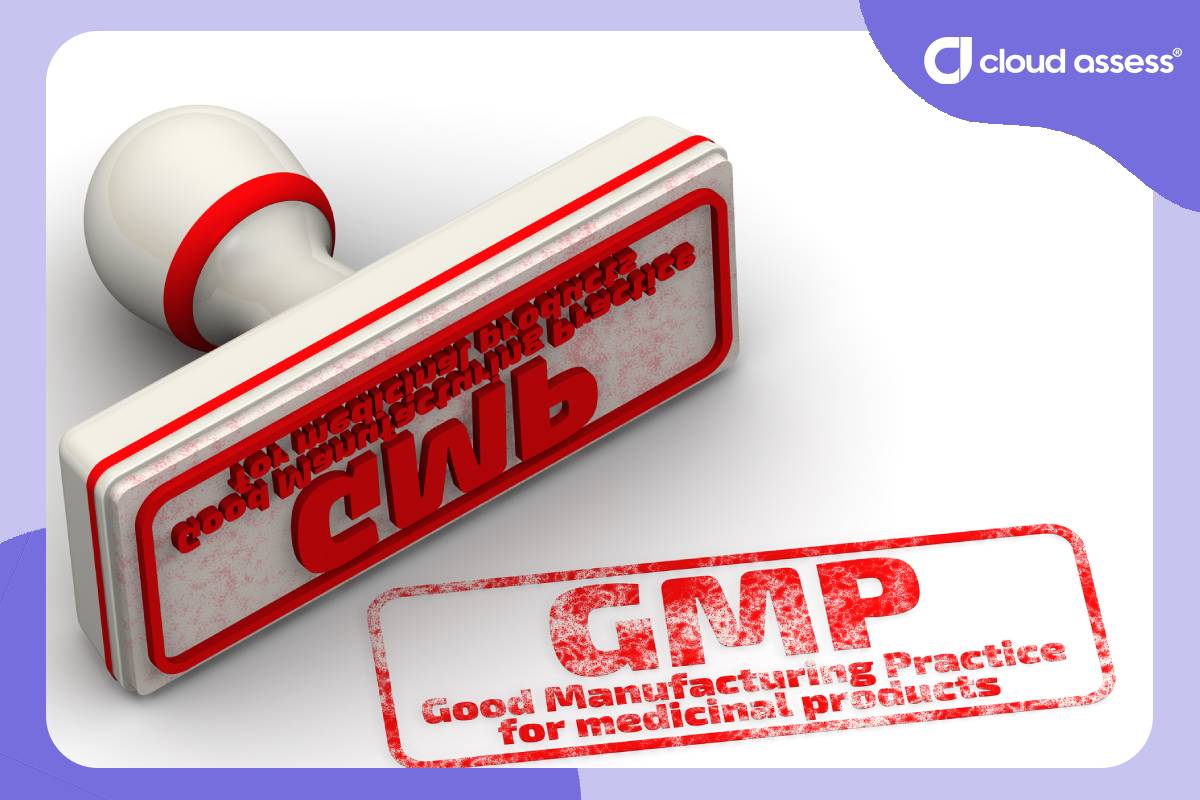
GMP Principles and Foundations
Teaches the fundamental principles of Good Manufacturing Practice. It includes quality systems, regulatory expectations, and the rationale behind standard operating procedures.
Good Documentation Practices
Focuses on maintaining reliable records. It covers general principles for drafting clear, legible, and consistent documents. It also explains managing version control and ensuring all data is complete and easily retrievable.
Contamination Control and Hygiene
Covers hygiene practices, cleaning protocols, and contamination prevention. It helps maintain product quality and safe manufacturing environments.
Facilities and Equipment Management
Explains the correct operation, maintenance, and monitoring of facilities and equipment. It highlights identifying and addressing potential risks to production reliability and compliance. For example, it can cover how pharmaceutical quality systems ensure equipment operates correctly.
Material Handling and Traceability
Outlines how to manage raw materials, components, and finished products safely. It emphasises tracking materials through every stage to maintain traceability and reduce errors.
Process Control, Deviations, CAPA, and Change Control
Covers controlling production processes and documenting deviations. This also includes implementing corrective and preventive actions (CAPA). It also addresses managing changes to processes or equipment while maintaining compliance.
Internal Audits and Inspection Readiness
Explains how audits work and how to prepare for inspections. It helps staff build essential auditing skills to identify process gaps and document findings. These skills also ensure ongoing adherence to GMP standards.
Quality Systems and Risk Management
Introduces overarching quality systems and risk management strategies. It shows how to identify, assess, and mitigate risks to product quality and consumer safety.
Who Needs Good Manufacturing Practices Training?

Operators
Operators carry out day-to-day production tasks. Understanding GMP helps them follow process flows and recognise machine limits. It also enables them to escalate issues when deviations occur.
Machine Technicians and Maintenance Staff
Technicians and maintenance personnel manage equipment reliability. Applying Good Manufacturing Practice standards ensures they carry out preventive maintenance and troubleshoot effectively. It helps them keep machinery operating within required specifications.
Cleaning and Sanitation Staff
These staff maintain hygiene in production areas. GMP knowledge guides correct cleaning cycles, safe chemical handling, and accurate sanitation records. This reduces the risk of contamination. It’s especially important in sectors such as food and pharmaceutical manufacturing.
Supervisors and Team Leaders
Supervisors oversee teams and production schedules. Understanding Good Manufacturing Practice guidelines helps them monitor compliance and support staff in applying standards. They also respond more effectively to operational deviations. This is especially important during high-volume production runs.
Quality Assurance and Quality Control Staff

Quality assurance (QA) and quality control (QC) staff oversee quality management across production processes. The Qualified Person monitors operations, reviews documentation, and performs checks. GMP knowledge enables them to detect deviations and maintain accurate records. It also helps them enforce compliance standards. This applies whether they are inspecting sterile pharmaceutical vials or bottled beverages.
Engineering, Utilities, and Facilities Staff
Engineering and facilities personnel maintain plant infrastructure. Applying GMP principles ensures utilities such as water and energy systems function correctly. It also ensures heating, ventilation and air conditioning maintain conditions that support safe production.
How to Design a Good Manufacturing Practices Training Program

1. Conduct a Training Needs Analysis
Conduct a training needs analysis to determine what your staff already know and identify gaps in their GMP knowledge. To do this, review previous training records, observe operations, and consult key personnel like supervisors. For example, if operators frequently make documentation errors, you need a tailored approach. You could include training material that focuses on record-keeping and batch traceability. This step ensures your training targets the areas that most affect product quality and compliance.
Good Manufacturing Practices Training Courses for Manufacturing Staff

Good Manufacturing Practices for the Manufacturing Industry Course
Course Provider: SC Training
This course introduces Good Manufacturing Practice (GMP) for manufacturing staff. It covers essential principles, regulatory requirements, and practical applications. Participants will learn to follow procedures accurately. They will also learn to contribute to a culture of quality and compliance. By the end of the course, they will understand Good Manufacturing Practice standards and their role in ensuring safe, consistent production.
Scope:
- Understand core GMP principles
- Follow standard operating procedures
- Ensure product quality compliance
- Maintain safe manufacturing practices
Best For: Operators, Quality Assurance Staff, Machine Technicians, Supervisors, and Cleaning Staff
Certified Pharmaceutical GMP Professional Course
Course Provider: CDG Training
This course provides in-depth understanding of GMP principles, including regulatory requirements. It prepares participants to uphold high standards of quality and compliance in their roles. The course is specifically designed for professionals already working in the pharmaceutical industry. It is ideal for staff looking to deepen their GMP knowledge and advance their expertise.
Scope:
- GMP principles and practices
- Regulatory requirements and GMP compliance
- Quality assurance and control
- Risk management in pharmaceutical manufacturing
Best For: Quality Assurance Specialists, Regulatory Affairs Professionals, Manufacturing Personnel, and Auditors
Good Manufacturing Practices Course
Course Provider: Udemy
This beginner to intermediate-level course provides a foundational understanding of GMP principles. It’s effective across multiple manufacturing industries. Modules cover contamination control, documentation, operational procedures, and regulatory standards. Participants will gain skills to apply GMP consistently in daily work. Upon completion, staff will be able to maintain product quality, prevent errors, and support compliance.
Scope:
- GMP principles for manufacturing
- Contamination control practices
- Documentation and record keeping
- Operational procedure adherence
Best For: Operators, Technicians, Supervisors, and Quality Assurance Staff
GMP Problem Solving and Root Cause Analysis Course
Course Provider: Inside Pharma Training
This course focuses on applying GMP to identify problems and implement corrective actions. It covers root cause analysis, problem-solving techniques, and process improvement strategies. Participants will learn to detect operational deviations and prevent recurrence. They will also learn to reduce errors or waste. By the end, staff will be able to apply structured problem-solving methods to maintain consistent product quality.
Scope:
- Root cause analysis techniques
- Problem-solving in manufacturing
- Process improvement strategies
- Error and waste reduction
Best For: QA/QC Staff, Team Leaders, Production Supervisors, and Process Improvement Specialists
Challenges in Implementing Good Manufacturing Practice Training
Resistance From Staff
Some employees may see Good Manufacturing Practice training as unnecessary. They may believe they already know the procedures or think it won’t impact their daily work. This attitude can reduce learner engagement and result in inconsistent application of standards.
Solution: Emphasise the real-world scenarios and impact of training on safety, quality, and compliance. Connect modules to everyday tasks to show practical benefits.
Language or Literacy Barriers

Staff from diverse language or literacy backgrounds may struggle to understand training materials. Misunderstandings can lead to errors, non-compliance, or safety risks.
Solution: Use visuals, diagrams, and mentorship. Provide language translations of key training content. Pair written materials with practical demonstrations to reinforce learning.
Keeping Training Current
GMP regulations and industry standards change frequently. Outdated training can result in compliance risks or inconsistent practices.
Solution: To keep training up-to-date, assign ownership for content updates and review programs regularly. This will help incorporate the latest regulatory and industry guidance.
How Cloud Assess Helps You Deliver Effective GMP Training
Cloud Assess provides a central platform to design, assign, and track all Good Manufacturing Practice training activities with ease. You can deliver refresher modules, microlearning, and assessments. This will help you ensure staff retain knowledge and follow procedures consistently. The platform comes with a built-in manufacturing skills matrix tool. It highlights gaps in expertise, helping you focus training where it’s most needed and strengthen team competence. The platform also simplifies reporting. This makes audits and internal reviews faster and more accurate.
Beyond ongoing training, Cloud Assess supports manufacturing employee onboarding. It centralises learning activities and documentation for new hires. This ensures everyone starts with a strong understanding of GMP standards. It also helps them quickly grasp regulatory compliance requirements.
Book a demo today to see how Cloud Assess can optimise your Good Manufacturing Practices training.
Good Manufacturing Practices Training FAQs
How Often Should Good Manufacturing Practice Training be Refreshed?
Typically refresh Good Manufacturing Practices training every 12 months, or sooner if regulations or procedures change. Regular updates help ensure staff maintain compliance and consistent product quality.
Can Good Manufacturing Practices Training be Customised for Different Cultural or Language Groups?
Yes. It’s critical to tailoring content with translations, visuals, and examples. Making these relevant to specific teams improves understanding and reduces errors.
What Happens if Staff Fail to Complete Good Manufacturing Practice Training On Time?
Failure to complete training can result in non-compliance, which may be flagged in audits or inspections. Consequences can include fines, warnings, reputational damage, or even suspension of production.
Is Good Manufacturing Practice Training Transferable Across Industries?
Core GMP principles are transferable, but each industry has specific regulations and practices. You should adapt training to reflect sector-specific requirements and standards.