Successful training programs balance information with learner engagement. The more engaged employees are with training materials, the more likely they are to retain knowledge and put it to good use.
There are plenty of strategies for improving learner engagement. However, one method that has been growing in popularity is gamification.
This article explores the definition of gamification, its common elements, popular types, and the benefits of putting this strategy in place. We also cover real-world gamification examples, and steps and best practices for successfully integrating it into your employee training plan.
What is Gamification in Training?
Gamification involves incorporating elements of fun and competition into training materials. This makes learning significantly more engaging and memorable, and learners often return to training again and again.
While gamification examples can often be found in personal development apps like Duolingo and Headspace, the principles remain the same when developing workplace skills.
Gamification works by tapping into people’s desire for routine and providing a sense of urgency. Game elements like daily streaks encourage learners to return regularly, while highlighting friends’ and colleagues’ achievements can motivate users to further their own progress.
Common Game Elements
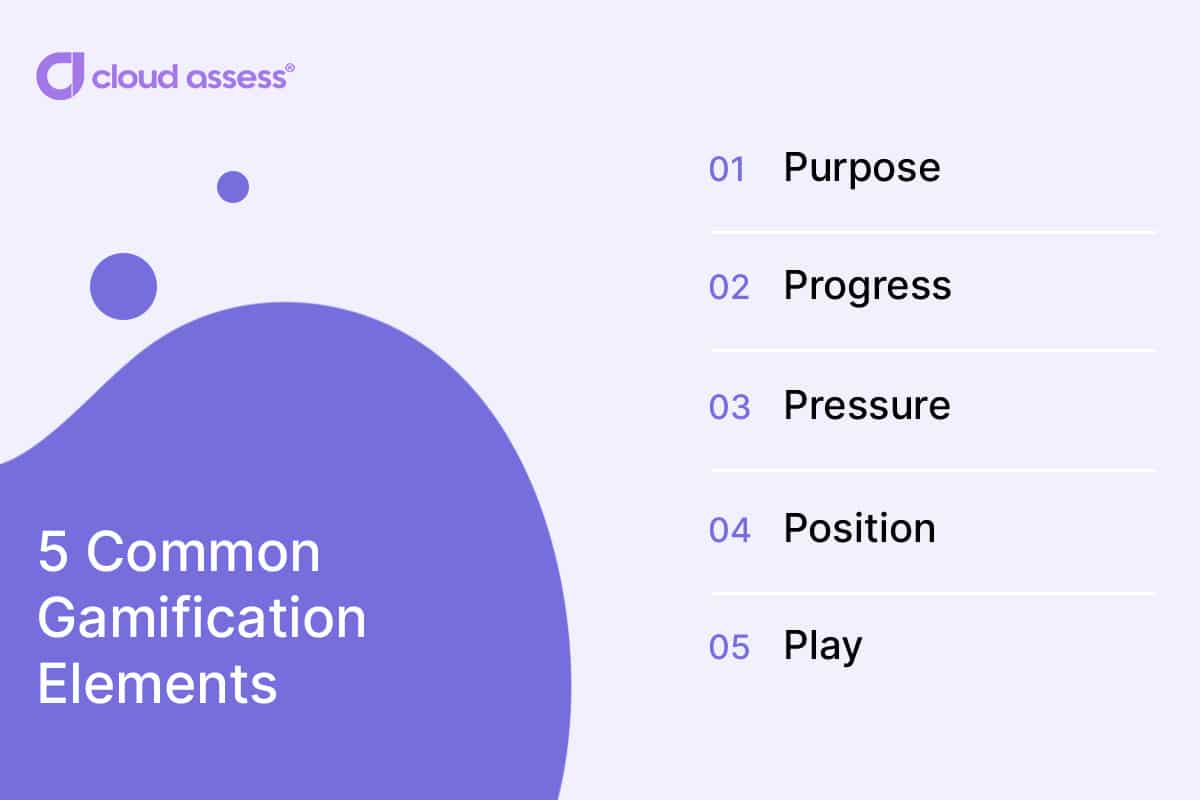
There are a few fundamental game mechanics in workplace training that can make the difference between a fun learning experience and a meaningful one. These pillars of gamification allow for more effective training rather than just focusing on entertainment.
- Purpose. All great gamification examples have a reason behind them. Understanding what you want to achieve through your training initiative will help you pick a suitable gamification method, and personalise it to your unique needs.
- Progress. The aim behind gamification isn’t just fun. You want employees to progress their knowledge. Incorporating game elements like a progress bar will help learners visualise their progression and motivate them to keep going. It will also provide them with an aim and sense of purpose.
- Pressure. A sense of urgency can be a great motivator for learning. The threat of breaking a streak or falling behind in a leaderboard can encourage employees to keep learning. However, balancing the pressure in gamified training with enjoyment is critical. Too much pressure can add stress to the training process, making it less effective.
- Position. Game mechanics like leaderboards, badges and achievements can help employees share their progress. They add a sense of accomplishment and competition to the training experience, motivating users to challenge themselves and their friends and colleagues.
- Play. A sense of fun, pleasure, and surprise helps companies balance pressure and enjoyment. Playfulness in language and interactivity helps make training more engaging and effective and can make difficult concepts easier to understand.
Types of Gamification

1. Interactive Quizzes
Adding interactive game elements like drag-and-drop questions, sketchpads, and flashcards can help engage employees in training. It also adds an element of fun to learning, turning it into a meaningful experience. Instead of simple multiple-choice questions and one-line answers, your employees will get to think outside the box. This can also better showcase their understanding of information during assessment, highlighting areas for improvement or further training.

2. Badges for Achievements
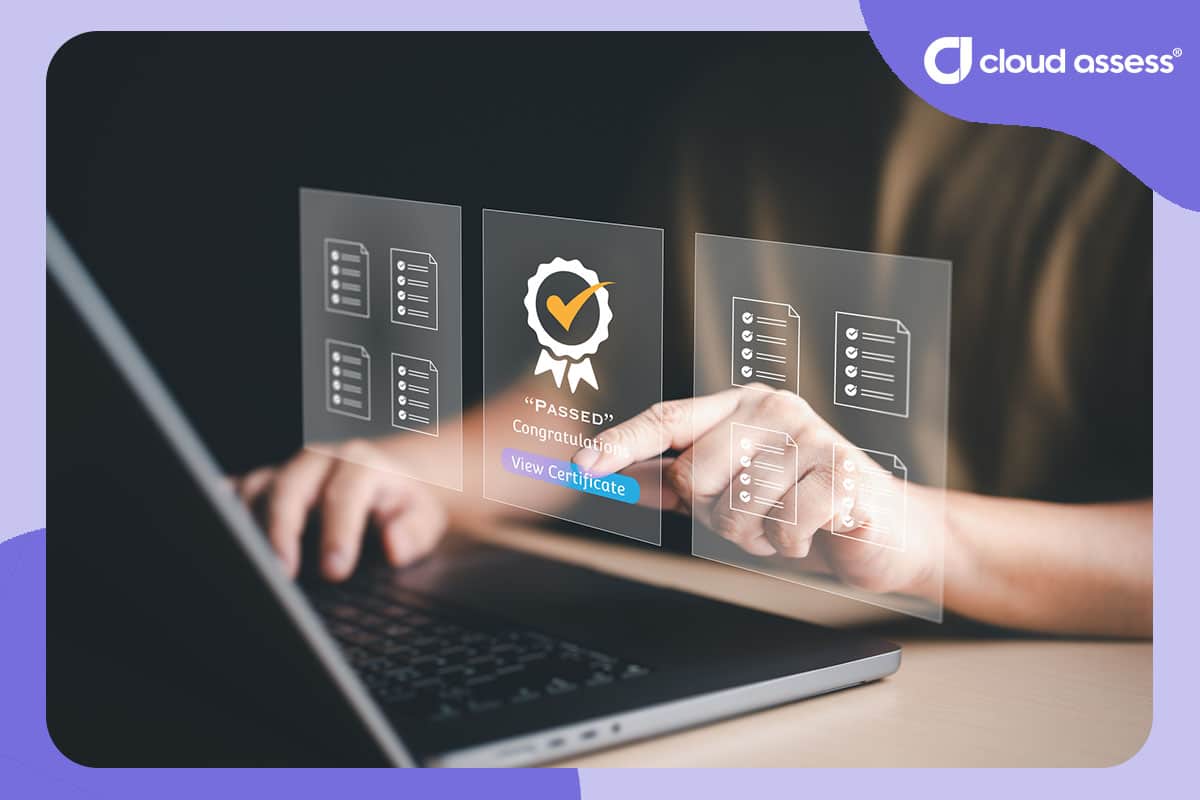
Digital badges and certifications allow employees to celebrate and share their achievements on their favourite social network. It can motivate workers to complete specific courses that align with team or organisational goals or relate directly to their work. It can also see them showcasing the skills that would make them a good fit for future advancement opportunities. When employees earn badges and share their achievements, it also taps into humans’ competitive nature, encouraging others to further their own skills and knowledge.
3. Leaderboards
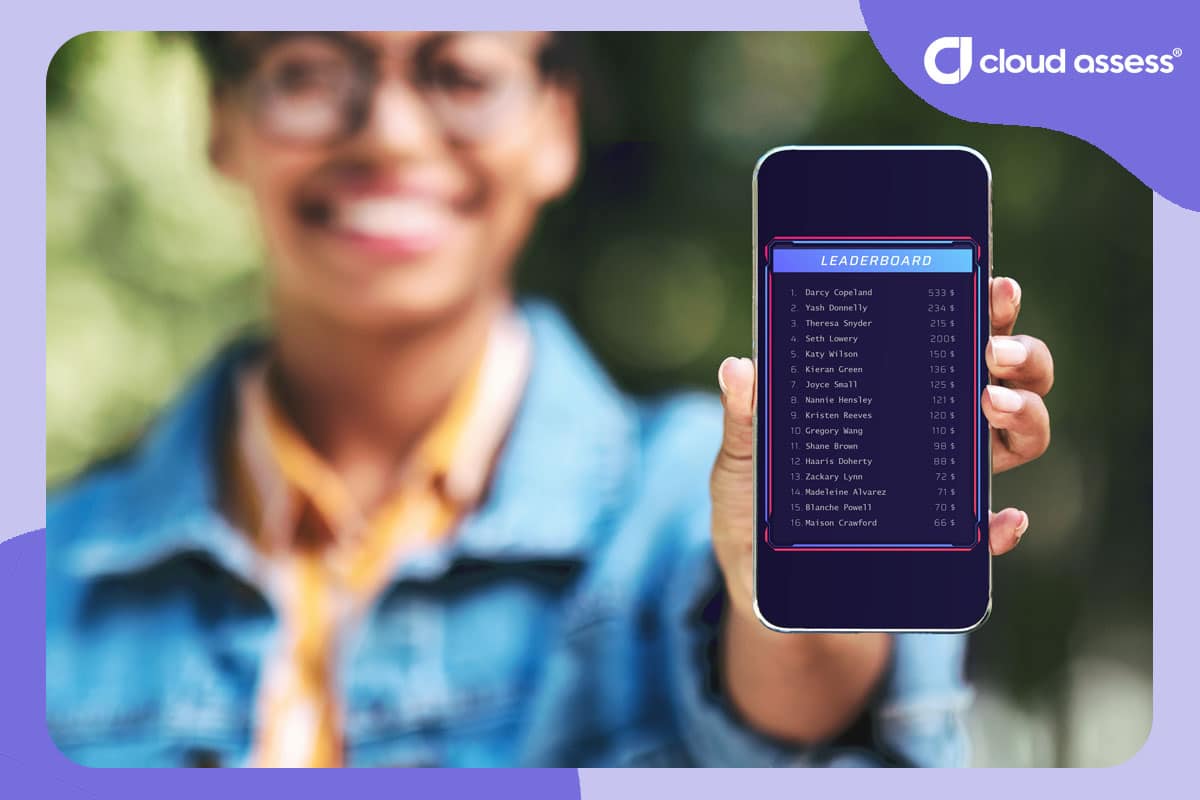
Another gamification example that encourages healthy competition is a leaderboard. Many companies reward employees who maintain the top leaderboard position over a specific period, like a ‘learner of the month’ award. You could use criteria like the number of courses completed, the number of questions answered correctly, or the longest daily streak. These should be directly related to the goal behind your corporate training. You can also customise your leaderboard, making it relevant to a specific department or office, and making the competition less intimidating and stressful.

4. Microlearning Courses
Microlearning is delivered in bite-sized interactive training sessions that easily fit into any schedule. Microlearning courses should take less than 45 minutes, making them quick wins for training initiatives. Learners are also encouraged to return to them often to answer quick questions that reinforce their training, improving long-term knowledge retention. Some ways that microlearning examples incorporate gamification include snapshots, 15-second pitch challenges, role-playing and simulations.

5. Scenario-Based Challenges
Playing out specific scenarios not only helps employees put their knowledge into practice but can also add an element of fun to the learning process. Real-world scenarios allow individuals to practice their skills in a risk-free environment while reducing the stress involved in a live interaction. This makes scenario-based challenges a great fit for on-the-job training of sales teams, or when learning customer satisfaction and conflict management styles.
6. Levels of Certification
Breaking certifications into proficiency levels is a powerful motivational tool. It sets clear goals for employees and encourages skill development that aligns with business objectives. For example, if you want your IT team to advance in coding and software development, you could structure training into three certification levels: foundational, intermediate, and expert.
- The foundational certification could include learning the basics of coding and core software functions.
- The intermediate level could involve debugging and optimising existing code.
- The expert certification could be awarded to employees who use coding to innovate and problem-solve.
7. Virtual Rewards
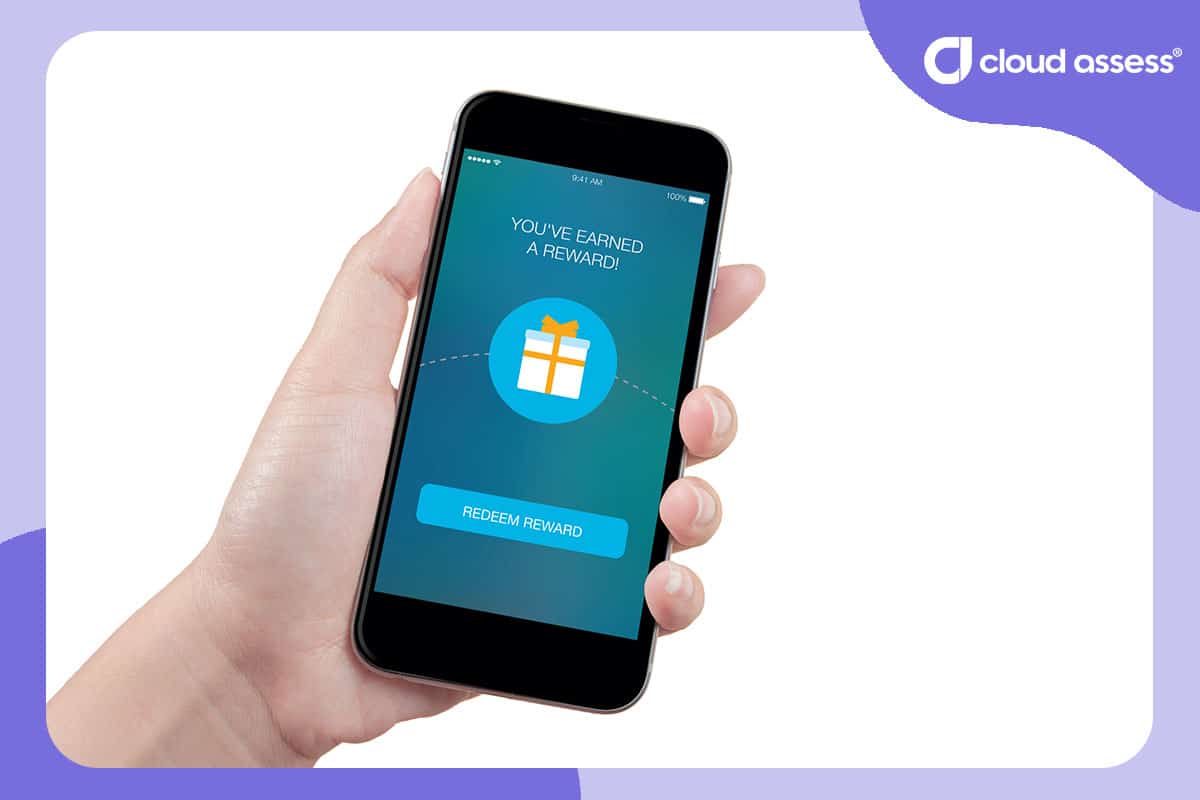
Rewarding your employees for their training doesn’t always have to involve financial incentives. Virtual rewards can be accumulated over time and used as bragging rights, contribute towards leaderboards, or be cashed in for real-world rewards. For example, employees could earn points to be used on company swag, a free meal, or even a day off. These rewards foster friendly competition and make training more engaging. Tying virtual rewards to training milestones creates a sense of accomplishment and provides immediate recognition, boosting morale and encouraging a sense of pride in achievement.
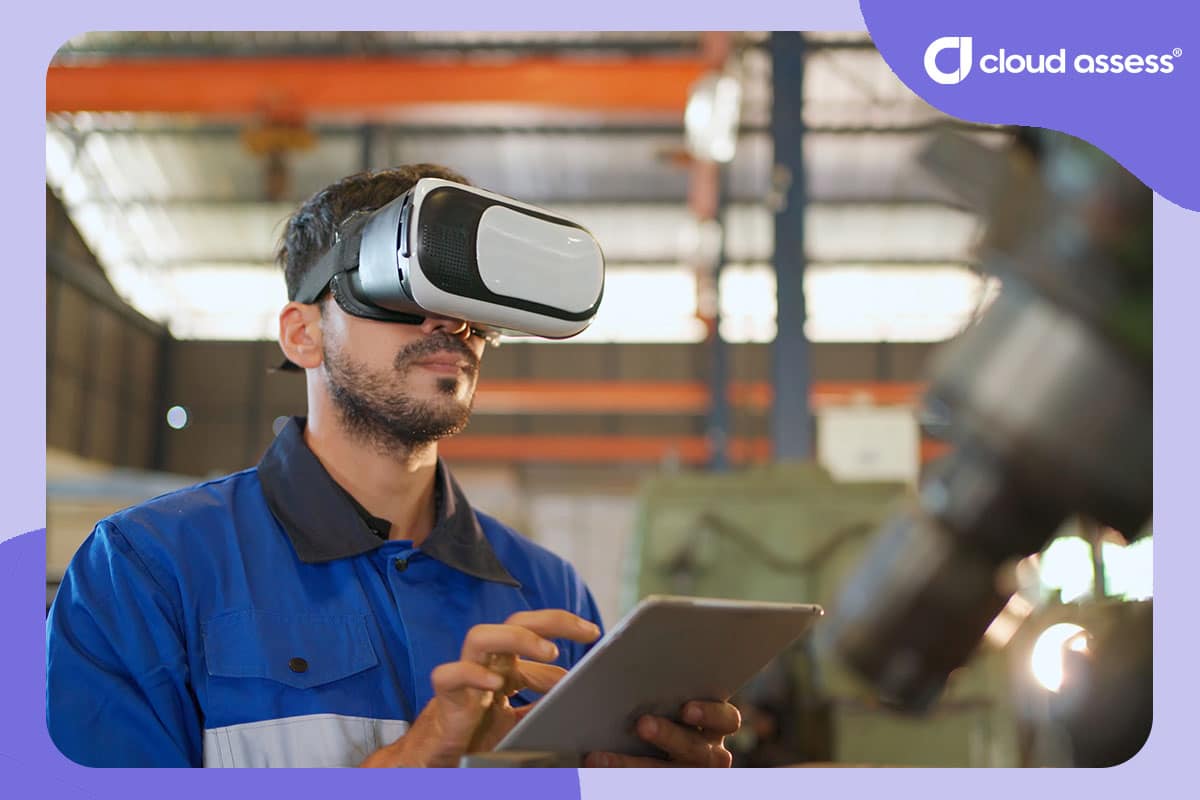
8. Simulated Environments
Simulations are a fun way to test employees’ skills. Like scenario-based challenges, they provide a risk-free environment where learners’ actions won’t impact real-world operations. Simulations take scenarios a step further, helping employees interact with tools and data. This approach helps employees build confidence, develop problem-solving skills, and gain practical insights. It can also reduce anxiety when employees encounter similar scenarios in real-world situations.

9. Completion Streaks
Daily or weekly streaks encourage employees to keep returning to their training. This can enhance continuous professional development, an initiative that engages learners and improves employee retention. Regularly reviewing training materials also boosts employee confidence, helping them transfer learning into their daily work, and ultimately improving productivity.

10. Team Competitions
It’s not only individual employees who can benefit from friendly competition. Team challenges encourage collaborative learning and help colleagues work together to achieve shared goals. On top of creating individual leaderboards, you could create team leaderboards as well. These encourage group problem-solving, enhance communication, and further promote learning as part of your company culture.
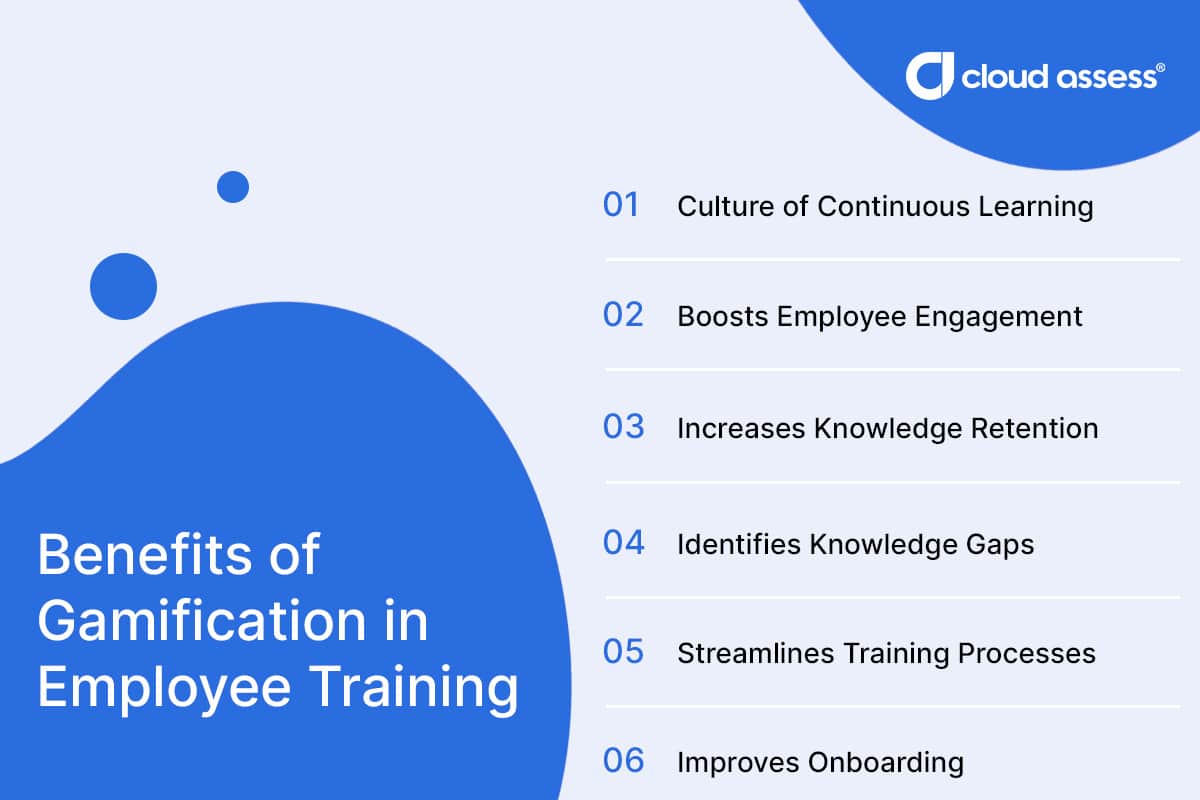
Benefits of Gamification in Employee Training
Establishes a Culture of Continuous Learning
Maintaining a strong company culture is critical in today’s modern world. It’s an effective employee retention strategy and can also attract new talent. One of the ideals that employees look for when joining a company is opportunities for growth and development. Using gamification examples makes corporate training more than just a once-off effort. It promotes continuous learning, upskilling and reskilling, incorporating learning and improvement into your company culture.
Boosts Employee Engagement with Your Company
Gamified employee training helps your teams engage with learning materials on a more personal level. It makes training enjoyable, rather than an obligation that they have to fulfil. This improves employee engagement with their roles and your company as a whole as well. They will better understand how their learning impacts their work and adds value to your operations. This provides a sense of accomplishment, confidence and pride, which impacts productivity and efficiency.
Streamlines Training Processes
When implemented effectively, gamification can add structure to employee training programs. It can help you develop training materials that allow learners to progress through modules, assessments and certification levels at their own pace. Game elements like streaks and badges provide self-motivation and help employees progress through courses and absorb information without feeling overwhelmed. This reduces the time, effort and cost of developing training programs while also optimising their effectiveness.
Improves Onboarding
Having existing gamification examples can help companies streamline their onboarding processes. As soon as new employees join the company, they can be enrolled in interactive induction training that immediately promotes the company’s culture of continuous learning. This helps new hires quickly understand and embrace company policies and reduces their time to productivity. It also fosters early engagement, helping new employees feel welcomed and comfortable more quickly, improving retention rates and increasing their confidence in their new role.
5 Gamification Examples in the Workplace
Understanding what gamification is and knowing how to use it within your own business are two different matters. These real-world examples of gamification showcase how popular companies have used the technique to meet a wide range of organisational goals.
1. Google
Google has incorporated various types of gamification into training programs to boost engagement, enhance motivation and foster a culture of innovation. Employees earn badges, points and rewards for completing learning modules that align with organisational goals.
They also encourage experimentation with concepts and collaboration across teams. The initiative has seen Google employees becoming more motivated, taking on more challenging projects, and experiencing improved job satisfaction.
2. Microsoft
Microsoft uses games and leaderboards that encourage employees to regularly test their machines, and check the accuracy of language within their programs. The games themselves keep employees engaged, while the competition element sees teams and offices around the world motivating each other. They also implemented a points and badging system in their contact centres which reduced absenteeism, increased calls and boosted employee confidence.
3. Uber
Uber uses points, badges, achievements, leaderboards and rewards to incentivise their drivers. These create competitions between the drivers, encouraging them to take more consecutive rides and provide optimum service to passengers to improve their leaderboard standing. These examples of gamification improve the company’s reputation and increase driver income since they’re paid for the number of rides they provide. Those at the top of the leaderboards may receive badges of recognition or financial bonuses.
4. HP
The global tech brand introduced the ‘HP Security Cup’ to encourage its sales teams to improve their cybersecurity knowledge. The campaign took on a league format with employees encouraged to compete against each other in knowledge battles or earn points by completing microlearning modules. HP also implemented a gamification initiative to educate partners, providing them with the product knowledge they needed to close sales more effectively.
5. Siemens
Siemens took gamification further than most by developing a game to help plant managers improve problem-solving and task-management skills. The simulated environment combined training and development information with fun and interactive storytelling, with points awarded for making good decisions. The company also introduced a cybersecurity challenge which gave employees points for demonstrating good security habits. The top scorers after 3 months received $100 gift certificates.
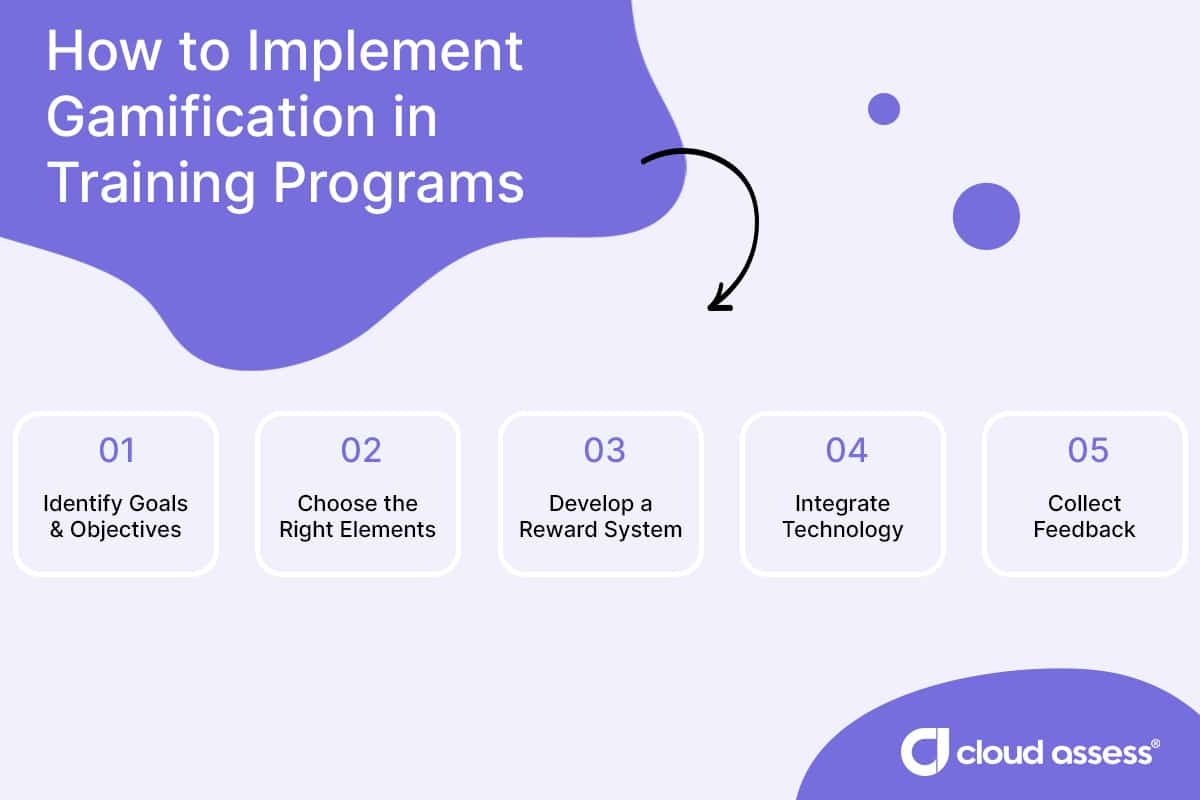
How to Implement Gamification in Training Programs
1. Identify Training Goals and Objectives
Knowing what you want to achieve with your training programs will help you determine the right gamification method to use. Having clear objectives in mind will align game elements with training goals, ultimately improving engagement, knowledge retention and skill development.
2. Choose the Right Gamification Elements
Many gamified elements and techniques can help you align training with company culture and business needs. Successful gamification balances five core mechanics: purpose, progress, pressure, position and play. Choose a gamification method or a range of techniques that will support those mechanics and improve your training processes.
3. Develop a Reward System
An element of competition works best when there are rewards attached to it. These could be financial incentives, like gift vouchers or bonuses, but they don’t always have to be. Badges, achievements and other forms of recognition can also be used as incentives. You could also encourage employees to cash in points and receive company swag or time incentives like a longer lunch break or a day off.
Part of developing rewards is also determining point systems. These should tie into the purpose behind adding gamification to training. If the aim is to have more employees progress through courses, awarding points for course completion makes sense. On the other hand, if knowledge retention is the aim, awarding points for high assessment results and positive performance reviews would be more suitable.
4. Integrate Technology and Tools
Finding the right tools for gamification is critical. The right learning management system (LMS), assessment tool or learning experience platform (LXP) will help you develop, deliver and measure the impact of gamification.
5. Collect Continuous Feedback
Since one of the most popular aims behind gamification is increasing employee engagement, it’s critical to collect training feedback. This will help you understand where your gamification examples are hitting the mark, and where they’re falling short of expectations. Gather feedback and consider it when reviewing and improving your training processes.
Best Practices for Implementing Gamification
- Start small. There’s no need to adopt gamification throughout your training initiatives, especially if it’s a new technique that you’re trying. Start by adding small elements like interactive assessments or digital badges. These changes can help you add fun without throwing off the purpose of your training initiatives.
- Leverage existing training programs. It’s easier to implement gamification in existing material than to develop new courses from scratch. Consider which training materials could be repurposed to accommodate microlearning, for example, or add challenges to your existing scenario-based on-the-job training efforts.
- Prioritise learning, not the game. Remember, the goal behind gamification isn’t only enjoyment. The learning aspect is the most critical element. If the balance of your gamification efforts leans more towards fun rather than furthering knowledge and skills, you may want to reconsider its applications.
- Know when gamification isn’t the right fit. Not every training initiative is going to be well-suited to game mechanics. Gamification in compliance training courses, for example, could detract from the seriousness of the subject matter.
Use Gamification to Level Up Your Training
Gamification transforms traditional training by integrating elements of fun, competition, and engagement. By using tools like leaderboards, badges, and interactive quizzes, businesses can foster continuous learning, improve knowledge retention, and boost employee motivation.
Focusing on clear objectives, balanced game mechanics, and meaningful rewards, and using the right technology can help you elevate your training initiatives. Training and assessment software like Cloud Assess can be an invaluable tool in your arsenal. Explore Pricing today to see the difference for yourself.