Employee training is essential for businesses aiming to thrive in today’s fast-paced and ever-changing environment. As workplace demands evolve, so do the skills employees need to succeed. Emerging trends like automation, AI and machine learning, and remote work are reshaping the skills landscape, making training a critical tool for adaptability. Organisations that fail to invest in employee development risk falling behind competitors who are better equipped to navigate these shifts.
In this blog, we’ll explore the top employee training statistics, shedding light on how businesses are investing in people and preparing for the future.

Employee Training Statistics in 7 Key Areas
Training gives employees a sense of purpose and fulfilment. This highlights its critical role in boosting engagement and job satisfaction. Below are seven key areas where relevant training drives value, supported by insightful statistics to illustrate how investing in development benefits both employees and organisations.
1. Employee Learning Preferences
Understanding how employees’ preferred learning styles is crucial for creating successful training programs that truly resonate. When employees engage with training that aligns with their preferences, they retain information better, feel more motivated, and apply their learning more effectively on the job.
Modern employees prioritise convenience, flexibility, and relevance in their learning experiences, making it essential for businesses to adapt to these expectations. Key findings from Finance Online shed light on employee learning preferences:
- 68% of employees prefer on-the-job training, showing the importance of practical and workplace-integrated solutions.
- 58% want self-paced learning, which highlights the growing demand for flexible options like eLearning and microlearning modules.
- 49% value just-in-time learning, highlighting the need for mobile-friendly platforms that deliver information when employees need it most.

A successful training program also takes generational differences into account. For example, Gen Z employees often prefer gamification and interactive learning experiences, while Millennials tend to value professional certifications that align with career goals.
By aligning training programs with these preferences, organisations create meaningful learning experiences that foster engagement, improve knowledge retention, and build a culture of continuous professional development.
2. Training Modalities: Blended Approaches on the Rise
The days of one-size-fits-all training are long gone. Employees now expect varied and engaging training methods that cater to different types of learning styles and keep them motivated. This shift has led to the rise of blended learning models, which combine traditional in-person training with digital solutions to create a more dynamic learning experience.
According to HubSpot, this trend is transforming how organisations approach training:
- 52% of programs use 3–6 different training modalities, reflecting the demand for diverse and adaptable strategies.
- 24% of organisations use learning management systems (LMS) to deliver online content, but 12% still rely on spreadsheets, showing a gap in technology adoption.
- 59% of businesses rely on blended learning techniques that integrate in-person training with a virtual learning environment for maximum effectiveness.

Blended learning allows organisations to create more engaging and adaptable programs, leveraging tools like VR for simulations or LMS platforms for corporate training.. This model addresses varying learning needs and scales easily as organisations grow.
3. The Link Between Training and Employee Retention
Training is a critical component of retaining talent. Employees who feel supported in their professional growth are more likely to stay with an organisation, reducing turnover and its associated costs.
Businesses that prioritise training send a clear message: they value their employees and are invested in their success. Research highlights the strong connection between training and retention:
- Only 30% of managers and 23% of employees are engaged globally, highlighting the need for engagement training to boost overall satisfaction according to Gallup.
- Gallup also reports managers influence 70% of the variance in employee engagement, highlighting the importance of leadership training programs.
- 74% of employees are willing to participate in reskilling programs, reflecting their openness to career development opportunities that ensure long-term career growth according to LinkedIn Learning.
- 90% of organisations list training as their top employee retention strategy, showcasing its role in fostering loyalty and growth according to LinkedIn Learning.
When organisations invest in leadership development and skill development programs, they create a supportive environment that motivates employees to grow alongside the business.

4. Bridging Ethics and Real-World Application
Ethics and compliance training is a cornerstone of workplace training, but its effectiveness depends on its relevance and application. Employees often struggle to connect broad ethical principles with the specific challenges they face in their roles, which can reduce the impact of training efforts. A formal compliance training plan bridges this gap by tailoring content to job-specific risks and embedding ethics into daily workflows.
Data from Navex shows that 88% of organisations provide ethics and compliance training, yet only 35% tailor these programs to account for role-based risk profiles. This one-size-fits-all approach can limit real-world effectiveness.

Skillcast Connect reveals best practices to enhance compliance training:
- 64% of organisations focus on continuous learning, offering regular updates to keep employees informed of changing regulations.
- 46% use bite-sized modules, making complex topics more digestible.
- 39% embed training directly into workflows, enabling employees to immediately apply ethical principles in real scenarios.
5. AI in Training: Transforming Learning Experiences
Artificial intelligence (AI) is reshaping how organisations approach corporate training, delivering personalised, scalable, and data-driven solutions that improve learning outcomes. Traditional methods often struggle to address the varied needs of learners, but AI-powered systems adapt to individual progress and preferences, ensuring employees get the most from their training experiences. The latest employee training statistics related to AI, according to Blanchard, reveal that:
- 27% of organisations admit AI significantly impacts their HR and learning and development (L&D) strategies.
- 30% already use AI-driven tools for tasks like curating content, assessing learners’ progress, and providing personalised training recommendations.
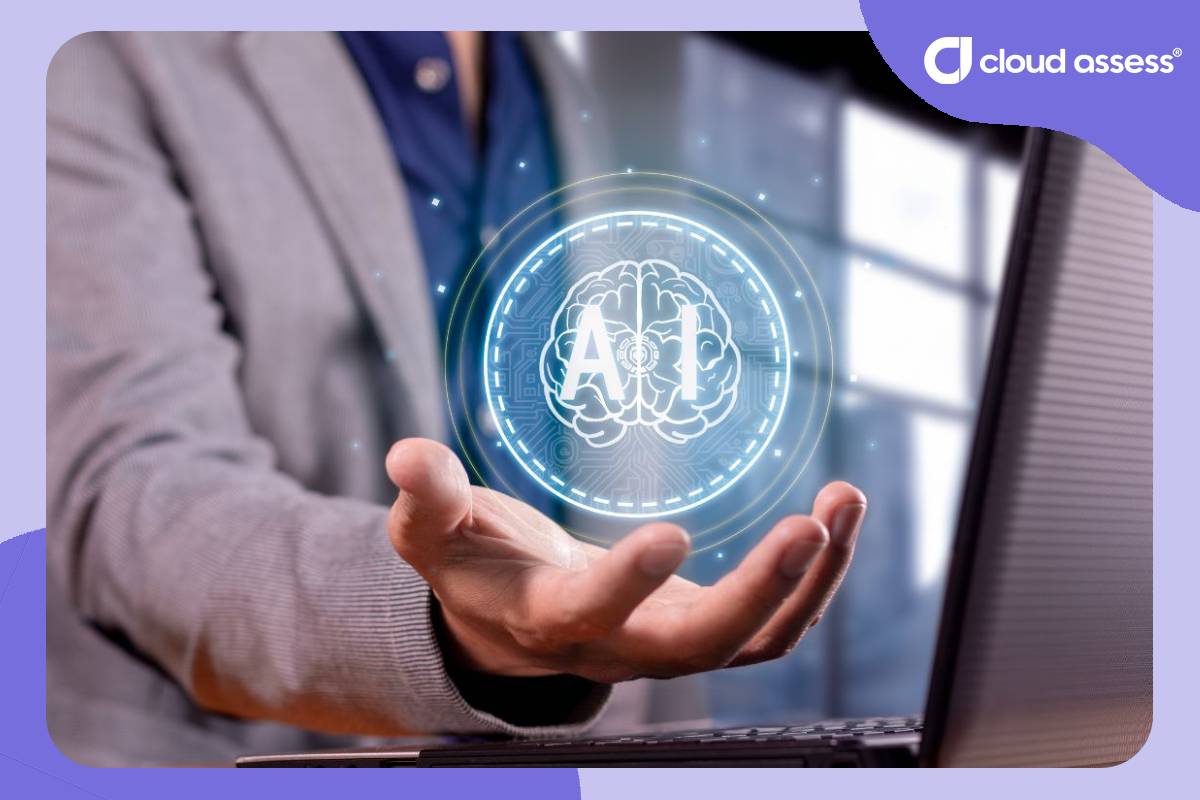
AI enables companies to build adaptive learning experiences that adjust in real time, offering tailored feedback and ensuring employees master concepts before moving forward. Predictive analytics also help organisations identify skill gaps and address them proactively, reducing the risk of underperformance.
Integrating artificial intelligence in training allows organisations to achieve better engagement, enhance knowledge retention, and optimise resource allocation. As AI continues to advance, its role in L&D will only grow, enabling businesses to stay competitive in a fast-changing world while empowering employees to reach their full potential.
6. ROI and Business Alignment
Measuring the return on investment (ROI) in employee development is critical for demonstrating its value and aligning learning initiatives with organisational goals. An effective training program doesn’t just build skills, it also drives measurable outcomes like higher productivity, reduced turnover, and improved employee engagement.
However, many organisations struggle to quantify these benefits, which can lead to underinvestment in an L&D budget. Key insights highlight the connection between training and business results:
- 72% of organisations report gaining a competitive advantage by using an LMS to streamline and scale training according to Finance Online.
- 87% of L&D professionals link training to specific outcomes, such as increased internal promotions, faster upskilling, and better retention rates according to LinkedIn Learning.
When effectively linked to outcomes, training becomes a strategic investment rather than a cost, providing tangible value to employees and the organisation as a whole.
7. Cultural and Diversity Training: Building Inclusive Workplace Cultures
Cultural and diversity training is a vital tool for fostering inclusive workplaces where employees from all backgrounds feel valued and supported. Beyond compliance, these programs encourage power skills like open communication, promote collaboration, and help reduce unconscious biases that can hinder team dynamics. Inclusion isn’t just good for morale, it drives innovation and boosts employee retention.

Research from Culture Amp reveals the significant impact of diversity training:
- Employees who strongly believe their company values diversity training are 84% more engaged compared to those who don’t.
- Employees who feel their organisation doesn’t prioritise diversity training are 330% more likely to leave within a year, highlighting its connection to retention.
Organisations that embed inclusion as a core value see benefits beyond employee satisfaction, including enhanced creativity and stronger employer branding. By making diversity training an integral part of their L&D strategy, companies can create environments where everyone has the opportunity to thrive and contribute meaningfully.
Why Does Employee Training Matter?
The importance of workplace training isn’t only about teaching new skills, it’s a strategic tool for ensuring that businesses and employees can adapt to a world of rapid change. Well-designed employee training programs help organisations close skills gaps, retain talent, and stay ahead in competitive industries.
The urgency of training becomes clearer when we consider the rate of change in the modern workplace. According to the World Economic Forum, by 2027, 23% of jobs will be reshaped, with 69 million new roles created and 83 million existing ones disappearing. This transformation isn’t limited to specific industries—sectors like healthcare, technology, and finance are all experiencing disruption, highlighting a universal need for workforce agility.
Cloud Assess’s State of Skills UK report reinforces this, finding that 79% of decision-makers in the UK believe regular training is essential for adapting to change. Organisations that actively invest in training report higher employee satisfaction and innovation levels, proving its impact goes beyond skill acquisition.
Building a Future-Ready Workforce Through Training
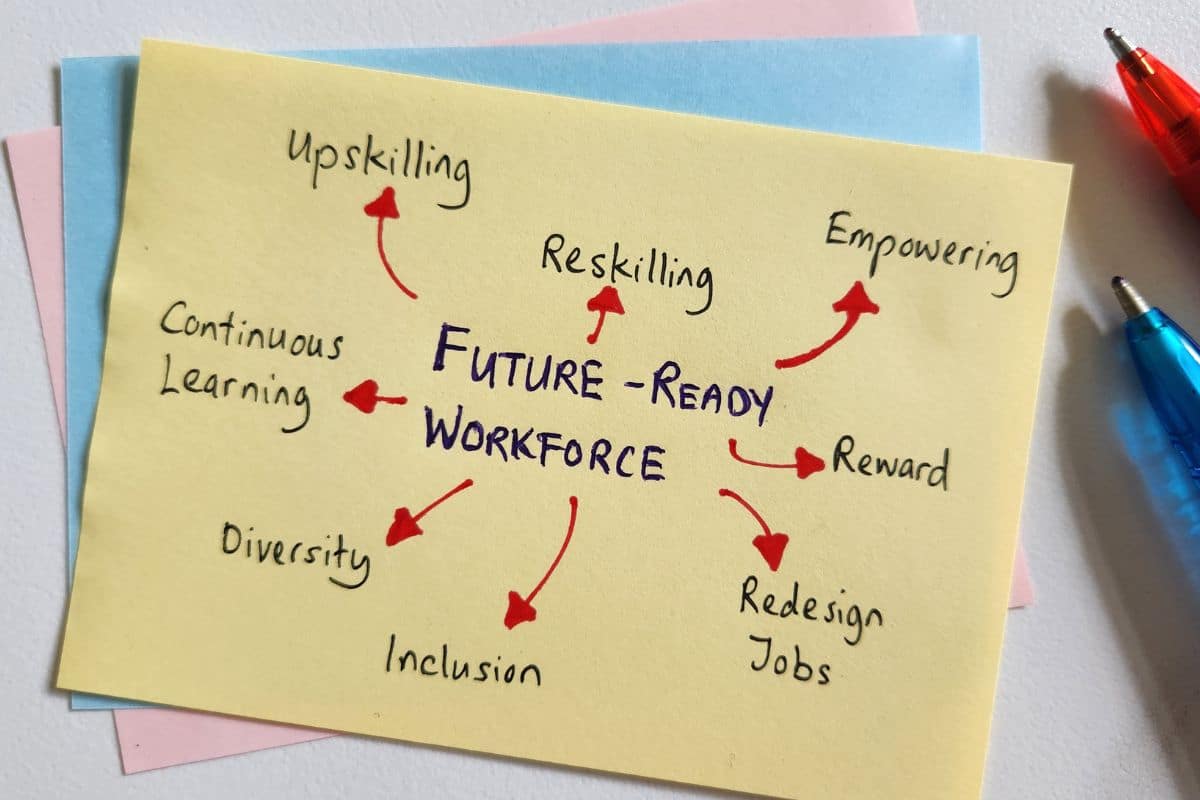
Employee training is an investment in the future, equipping organisations to adapt to change, enhance engagement, and achieve sustainable success. To maximise its impact, businesses must choose the right tools and structure. Evaluating employee training system features such as personalised learning paths, progress tracking, and integration capabilities, ensures that training programs drive engagement and long-term growth.
Prioritising training enables businesses to lead with confidence, innovation, and resilience in a rapidly evolving world