Employee training is critical for maintaining and improving skills across your organisation, ensuring they align with your business goals. However, not all training programs go as planned. Measuring their effectiveness ensures your teams develop critical skills to work productively, contribute to organisational success, and adapt to evolving demands.
Tracking the right training metrics can help you understand where your employee training plans are effective, and where there is room for improvement. In this article, we take a deep dive into essential training metrics you should monitor. We also explore what management can learn from metrics, how to choose metrics that meet your needs, and best practices for ensuring training effectiveness.

What are Employee Training Metrics?
Employee training metrics are quantifiable measurements used to evaluate the effectiveness, efficiency, and impact of training programs within an organisation. These metrics help businesses understand whether their training initiatives are achieving their goals, such as improving employee skills, increasing productivity, or enhancing overall job performance.
To assess training effectiveness, it’s important to focus on metrics that align with your organisation’s goals. For skill development, metrics like performance improvement, operational efficiency, and skill gap reduction are key indicators. On the other hand, if a culture of continuous learning is the aim, metrics like course enrolments and training satisfaction may be more relevant.
18 Key Employee Training Metrics in 6 Critical Areas
Financial Training Metrics
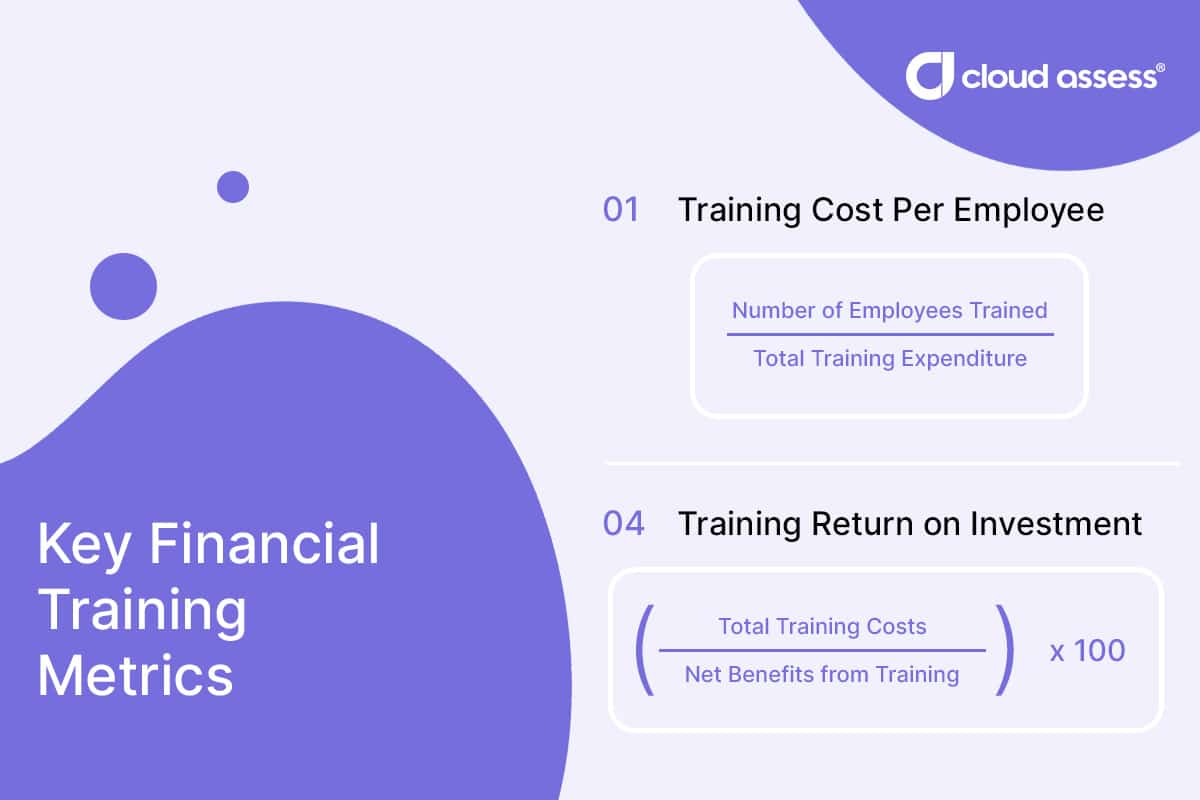
Measuring the financial impact that training has on your business is essential for building an accurate and effective learning and development budget.
1. Training Cost Per Employee
This metric measures how much a company spends on training each employee. It helps organisations understand the financial investment required for training programs and can provide insights for budgeting and cost optimisation.
The equation to work out training cost per employee would be: Number of Employees Trained / Total Training Expenditure
However, this metric may not always provide a precise figure, as training needs vary between employees.
For instance, onboarding and induction training often incur significantly higher costs compared to upskilling or reskilling initiatives.
2. Training Return on Investment
Training Return on Investment (ROI) is a metric used to evaluate the financial value derived from training programs compared to their costs. It helps organisations determine whether their investment in employee training is yielding tangible benefits. Key factors include increased productivity, improved customer satisfaction, higher sales, reduced employee turnover, and lower operational errors.
The equation to work out training ROI would be: (Total Training Costs / Net Benefits from Training) x 100
Calculating ROI also considers long-term benefits such as enhanced innovation, better compliance with regulations, and improved employee engagement, which contribute to organisational success over time.
Participation and Engagement Training Metrics
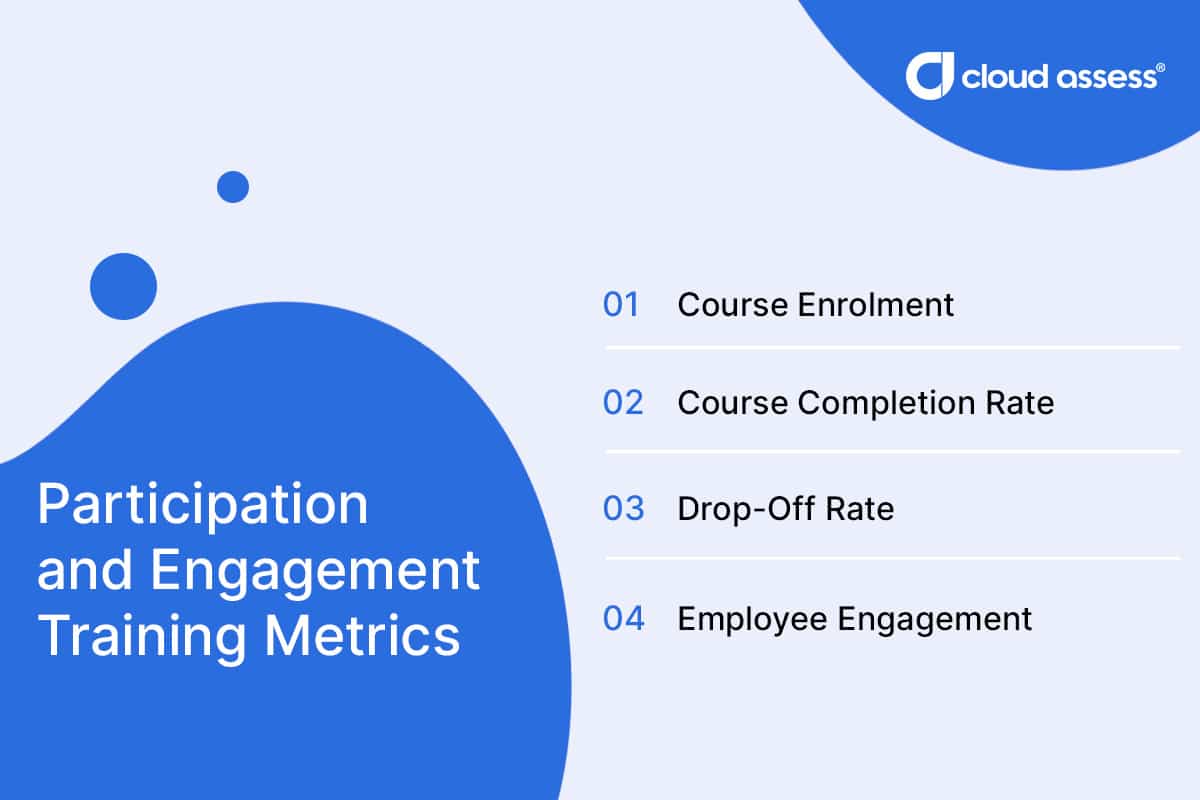
Participation and engagement are crucial indicators that employees are connecting with training materials in a meaningful way. This enhances the overall learning experience, improves understanding of complex topics, and ensures the transfer of learning into the workplace. Relevant training metrics that help you measure participation and engagement include:
3. Course Enrolment
This metric tracks the number of employees registering for a training program, providing insight into its appeal and relevance. High enrolment numbers can indicate strong interest or a mandatory requirement, while low numbers may highlight gaps in communication or perceived value.
For companies using automated enrolment systems, this metric also reflects how frequently courses are integrated into broader training initiatives and adopted across departments or teams. Monitoring enrolment trends over time helps identify patterns, such as seasonal spikes or declining interest, enabling better planning and resource allocation. It can also help businesses align their training needs with employees’ interests to support continuous professional development.
4. Course Completion Rate
This metric measures the percentage of employees who complete training courses out of those who enrolled. High completion rates often signal that the content is engaging, the course design is effective, and the delivery method aligns with employee needs.
Low completion rates can reveal challenges such as overly complex material, lack of relevance, insufficient time allocation, or technical issues with the training platform. By analysing these rates, organisations can identify barriers and adjust course content, format, or scheduling to improve participation and outcomes.
5. Drop-Off Rate
Calculates the percentage of employees who fail to complete a training course. A high drop-off rate may point to issues with the course, such as disengagement, overly challenging material, or lack of relevance to employee roles.
Although completion and drop-off rates seem to measure opposite outcomes, analysing both provides a fuller picture of employee engagement. It helps identify employees in the middle ground—those who haven’t completed the course yet but haven’t fully disengaged.
This could be due to challenges like time constraints, work-life balance issues, or competing priorities, which impact their progress. Addressing these factors through flexible scheduling, additional support, or streamlined content can help reduce drop-off rates and improve overall course effectiveness.
6. Employee Engagement
Measures how actively employees participate in training. This could include asking questions, providing feedback on a training program, enrolling in self-paced courses outside of requirements and sharing achievements like digital badges.
High levels of engagement often result in better training outcomes, and a willingness to apply what has been learned to daily tasks and responsibilities.
Learning and Retention Training Metrics

Learning and retention metrics focus on how effectively employees absorb and retain knowledge from training programs. These metrics ensure that training translates into long-term skills and improved job performance, supporting individual and organisational goals.
7. Pass Rate
Indicates the percentage of employees who successfully pass assessments or earn certifications through your training programs. This metric is a strong indicator of training effectiveness, as it aligns directly with your learning objectives.
Ideally, the goal is to achieve a high pass rate, with most employees meeting or exceeding the required standards for certification.
8. Knowledge Retention
This metric measures how well employees retain and recall training material over time. Tracking their ability to answer questions or demonstrate skills consistently provides valuable insights into the long-term effectiveness of training programs.
The Ebbinghaus Forgetting Curve explains that knowledge diminishes when it isn’t used, emphasising the importance of continuous assessment. Regular quizzes, tests, and on-the-job practice are effective tools for evaluating knowledge retention and identifying areas for reinforcement.
9. Time to Competency
Tracks how long it takes for employees to reach proficiency in a specific skill or role. This metric combines training duration with insights from performance reviews, peer feedback, and self-assessments.
Time to consistency is particularly relevant when onboarding new hires or using internal recruiting to transition employees into new roles. A shorter time frame is a strong indicator of a thorough, efficient and effective training program. A longer time frame may suggest gaps in training, the need for additional support, or misalignment between training content and job expectations. Monitoring this metric allows organisations to optimise training processes and ensure employees are progressing at an appropriate pace.
10. Performance Improvement
Tracks changes in employee performance before and after training. This shows the tangible impact that training has on productivity, work quality, and efficiency.
Pre-training assessments are essential for establishing a baseline, while regular 360 performance reviews offer valuable insights into how training enhances an employee’s confidence and proficiency. Together, these tools provide a comprehensive view of training effectiveness.
Skill Development and Behaviour Training Metrics

Skill development and behavioural metrics measure the tangible outcomes of training on workplace skills, and how they impact behaviours like professionalism, leadership, and collaboration.
11. Skill Gap Reduction
Measures the effectiveness of training in closing previously identified skill gaps. This ensures that training programs align with organisational goals by developing the necessary workplace and workforce skills.
Skill tracking is crucial for identifying and addressing gaps in your workforce. Tools like a skills matrix enable businesses to pinpoint specific skill deficiencies and target them through tailored employee development plans. Measuring skill gap reduction validates the success of these initiatives.
12. Patterns in Behaviour
Identifies meaningful changes in employee behaviour following training. This could include employees displaying confidence in their abilities, collaborating better with colleagues, or adhering to Standard Operating Procedures or safety protocols more closely.
These patterns indicate that employees have embraced learning and effectively incorporated their new skills and knowledge into their daily routines.
Organisational Impact Training Metrics
Organisational impact metrics assess how training programs contribute to broader business outcomes. These metrics provide insights into the alignment between employee development and organisational success, focusing on areas like productivity, efficiency, and employee retention.
13. Operational Efficiency
Assesses the impact of training on an organisation’s overall operations. This could include factors like reduced human errors, streamlined processes, or increased productivity. This metric goes beyond evaluating individual employee performance, focusing instead on the broader organisational outcomes.
Well-trained teams can distribute workloads more effectively, reducing reliance on specific individuals and fostering collaboration. This creates opportunities for innovation, enhances adaptability, and helps your organisation stay aligned with changing industry standards and market trends.
14. Employee Retention Rate
Tracks the impact of training on employee retention, offering insights into how training influences job satisfaction, career stagnation, and company loyalty.
High retention rates are ideal, but pairing this metric with turnover data provides deeper insights. Analysing how training relates to workforce challenges helps businesses develop targeted employee retention strategies tailored to individual needs.
Feedback and Accessibility Training Metrics
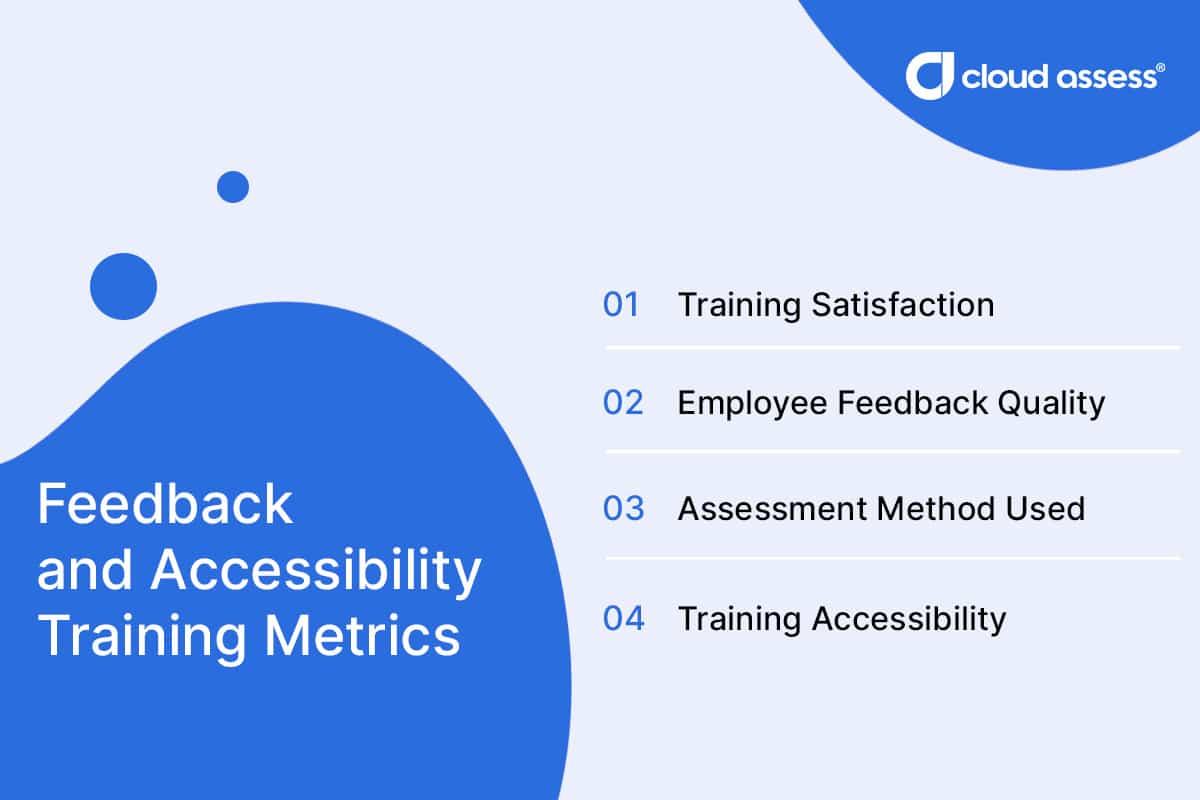
Feedback and accessibility metrics evaluate the inclusiveness and usability of training programs, alongside the quality of employee input. Tracking these metrics ensures that training meets diverse employee needs and provides actionable insights for continuous improvement.
15. Training Satisfaction
Measures how well a training program meets employee expectations and needs. High satisfaction typically leads to better engagement, retention, and overall effectiveness. Low satisfaction can indicate several issues, such as irrelevant content, ineffective delivery methods, or a mismatch between the training objectives and employee needs.
Surveys are valuable tools for collecting training feedback before, during and after courses. This can help companies adjust materials and employee training methods, and better accommodate individuals’ learning preferences to enhance the overall learning experience.
16. Employee Feedback Quality
Evaluates the depth and specificity of employee feedback on training programs.
Detailed, constructive feedback signals strong engagement and provides valuable insights for refining future training initiatives. Vague feedback, such as high or low scores without explanation, may indicate disengagement or lack of interest.
Quality feedback can help identify employees who are excelling and might be candidates for succession planning, and those who may require additional support. Feedback patterns could also highlight broader organisational issues that need to be addressed.
17. Assessment Method Used
Indicates the types of assessment employed to evaluate employee knowledge and competency.
Tracking assessment methods can help you determine the most effective techniques for measuring success in specific scenarios. For example, gamified assessments may enhance engagement, while scenario-based assessments are better suited for evaluating employees’ understanding and application of safety procedures in real-world contexts.
18. Training Accessibility
Measures how easily employees can access training materials and courses. This may include factors like the devices used, online and offline availability, language options and platform usability.
Greater accessibility across devices and environments promotes higher adoption rates and ensures that training is inclusive for onsite, remote or hybrid workers. This metric helps organisations identify and address barriers to participation, fostering a more equitable learning environment.
3 Steps For Choosing The Right Metrics For Your Training Program

1. Define Clear Objectives
Establishing clear, measurable training objectives is crucial for tracking success. For example, there’s a big difference between wanting to “increase sales” and wanting to “increase sales from marketing leads by 50%.” The latter is specific, actionable, and easily measured.
For less quantifiable objectives, such as improving soft skills or collaboration, align metrics with observable results. For instance, you could track inter-departmental project timelines and their success rates to measure collaboration improvements.
2. Gather Feedback
While organisational leaders often set metrics to align with business goals, this can create a disconnect if trainers and employees aren’t involved in the process. Misalignment can lead to confusion and reduced engagement, ultimately impacting training effectiveness.
By gathering input from trainers, employees, and other stakeholders, you can ensure the chosen metrics reflect organisational objectives and individual needs. Open communication is also essential to help all participants understand the goals of the training and how its success will be measured.
3. Maintain Objectivity
Personal opinions and emotions can often skew perceptions of training success. Employees might consider passing an assessment the primary indicator of success, while trainers may focus on positive feedback as evidence of an engaging program.
Rely on data to evaluate training effectiveness accurately. Consider feedback from all stakeholders, but focus on measurable information to make informed decisions about the program’s success. This ensures an unbiased, comprehensive assessment of training outcomes.
How to Collect Data For Training Metrics

Various sources can help you collect data to gain a comprehensive overview of your training efforts and their larger impact on organisational performance.
- LMS. Automatically tracks participation in training programs, course completion, time spent, and assessment results. The best LMS platforms provide a centralised platform for gathering training-related data in real time.
- Assessment Tool. While LMS solutions often include basic assessment features, using a dedicated assessment tool can help you measure knowledge and skills, performance and competencies. The best assessment software solutions offer extensive features and various assessment types that accommodate on-the-job training, scenario-based evaluations, practical skills assessments, and gamified testing.
- Performance Reviews. Highlight how training translates into improved workplace performance. Comparing pre- and post-training performance metrics helps measure tangible outcomes.
- Customer Satisfaction Surveys. Customer feedback can indicate how well employees apply their training to real-world interactions. Improvements in customer satisfaction scores often reflect the success of service-related training.
- Training Evaluations and Feedback. Companies can use evaluations from participants, trainers and other stakeholders, and feedback gathered after training sessions to measure the success of the training itself. Training evaluations look at content, delivery techniques, relevance, the results achieved, and areas for improvement within your training programs.