Employee engagement is one of the most persistent challenges in workplace learning. Getting people to show up to training is one thing. Getting them to stay engaged, retain what they learn, and apply it in their day-to-day work is another.
Modern L&D teams are under pressure to prove the impact of training. That means finding platforms that do more than deliver content. Growth Engineering is a great option for many organisations. But it does not meet every company’s needs.
In this guide, we explore other platforms built around employee engagement. We cover what each one offers, helping businesses find the best fit for their teams.
Uncover Your Skill Gaps Right Now!
Our AI tool is quick and free to use.
What is Growth Engineering?
Growth Engineering LMS is a cloud-based learning management system built that focuses on Neurogogy. This refers to a framework that combines neuroscience and pedagogy. The platform applies learning principles such as spaced repetition, cognitive load theory, and reward pathways. This Neurogogy approach helps employees retain knowledge and build lasting skills. Rather than delivering passive content, the platform is designed to drive behaviour change through the way training is structured and experienced.
The platform helps corporate L&D teams deliver, manage, and track employee training. It uses gamification mechanics such as experience points, leaderboards, badges, and reward centres. This helps drive learner engagement. It also comes with built-in social learning tools, including clubs, discussion feeds, live chat support, and peer knowledge sharing. The platform also includes blended learning support, a built-in content authoring tool, and customisable learning pathways.
However, while Growth Engineering LMS is a compelling engagement-first platform, some organisations experience challenges. These include:
- Compliance tracking requires significant manual effort. Users in regulated industries have to manage compliance outside the platform, as automated tracking falls short of their needs.
- Reporting struggles with large data sets. The reporting suite can become unreliable at scale, limiting visibility for larger L&D teams.
- No native due date functionality. The inability to assign due dates to courses makes it difficult to manage mandatory training deadlines.
- Content visibility and organisation become difficult to manage. As content libraries grow, managing who sees what becomes a significant admin burden. Without automatic role-based filtering, content shows up for all users, whether it’s relevant for them or not. This makes the library difficult to navigate.
- Performance and admin complexity worsen as user numbers grow. The platform slows and becomes harder to administer as organisations scale beyond a few hundred users.
Best Growth Engineering Alternatives
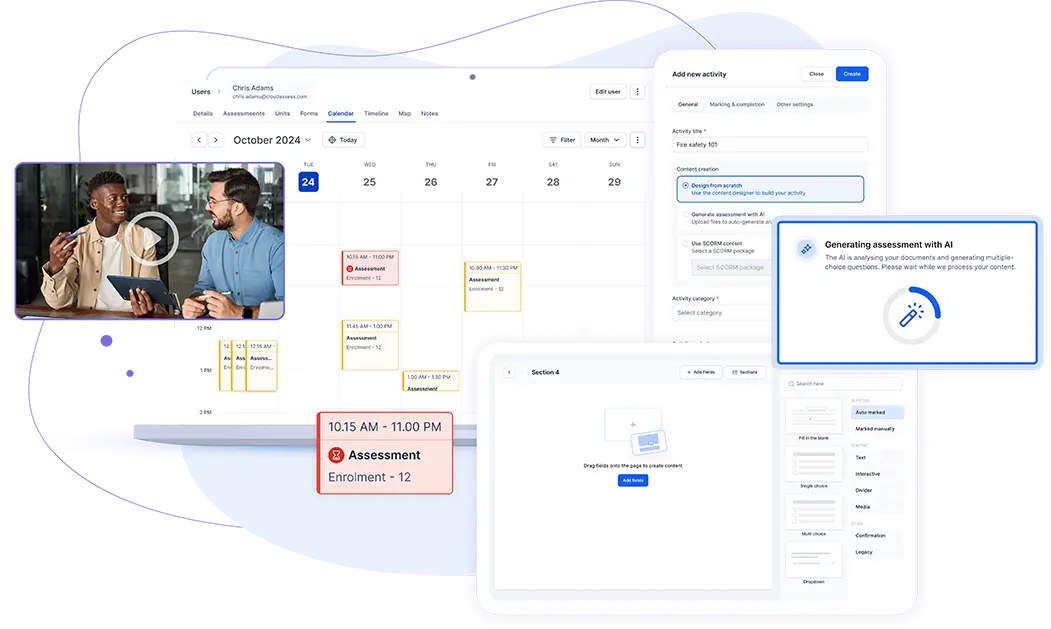
Cloud Assess is a learning platform built for organisations that need to manage workforce skills, competency, and structured assessment in one place. The platform supports gamified learning, digital badging, and personalised employee onboarding. These tools help keep employees motivated and engaged throughout their learning journey. Employees can access training through a dedicated learner app, with offline capability. This makes it practical for deskless and field-based workers.
Cloud Assess also combines learning management with structured assessment tools, skills tracking, and automated workflows. This helps L&D teams move away from manual processes and paper-based records.
Cloud Assess pairs its engagement tools with a deeper focus on skills visibility and workforce planning, rather than Growth Engineering’s neuroscience design. This gives managers a clearer picture of team capability across roles and locations.
Cloud Assess is particularly well suited to organisations in high-compliance industries. This includes mining, construction, healthcare, and logistics, where structured assessment and verifiable competency records are as important as learner engagement.
Key Features
- Gamification tools
- Certification and badging
- Social learning posts
- Learner app
- Learning pathways
- Onboarding and inductions
- Assessment builder
- AI-assessments generator
- AI marking assistant
- Skills matrix
- Training matrix
- Competency tracking
- Compliance management
- Expiries and renewals
- Reporting and dashboards
- Offline learning
- Calendar and events
- Course library
Pros
- Gamified learning keeps employees motivated throughout training
- Digital badging to recognise achievement and encourage progression
- Personalised onboarding that helps new starters engage from day one
- Mobile learner app enabling training access wherever employees work
- Offline access so field-based workers stay connected to learning
- Automated workflows that free up L&D teams to focus on engagement strategy
- Skills matrix to help managers identify and address competency gaps quickly
- AI-generated assessments making it easier to build relevant training content fast
Growth Engineering vs Cloud Assess
Cloud Assess offers:
- Built-in compliance tools that remove the need for manual tracking in regulated industries
- Reporting dashboards that provide clear visibility of training outcomes at scale
- Automated due dates and expiry tracking ensure mandatory and statutory training deadlines are met
- Role-based content assignment keeps libraries clean and relevant for each employee
- Scales comfortably from small teams to large enterprises
Pricing
Cloud Assess offers an all-inclusive solution for employee training in high-risk, high-compliance industries. Every feature is included from day one, including mobile offline assessment, verification of competency, skills matrix and automated compliance tracking. There are no upgrade paths or feature gates. Visit our pricing page for an accurate quote.
Rating
4.7/5 (average rating from Capterra, G2, GetApp, Software Advice)
#2 Thrive
Average User Score: 4.6/5
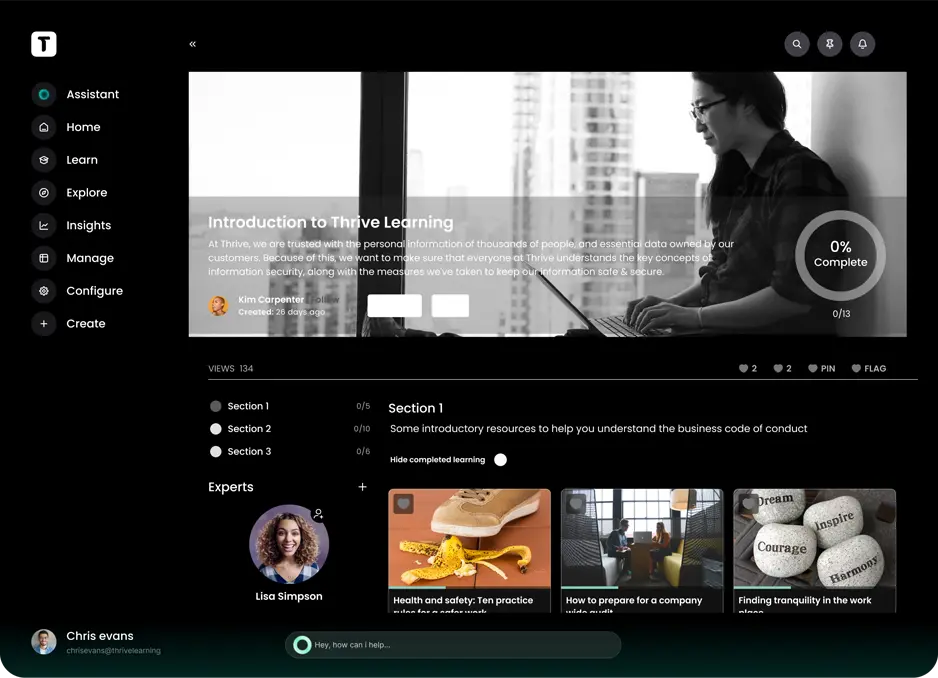
Thrive is an AI-powered learning platform that combines LMS and learning experience platform (LXP) capabilities. This combination helps organisations build a culture of continuous learning. The platform also offers social learning, peer-to-peer messaging, and user-generated content. These give employees the tools to learn from each other as much as from formal training. Its mentoring and coaching features add a further layer of engagement. It connects employees with subject matter experts and supports structured development conversations.
Like Growth Engineering, Thrive places employee engagement at the centre of its platform. But it connects the engagement into measurable business performance, with case studies showing direct links between learning activity and outcomes.
However, getting the most out of Thrive’s reporting requires external tools. This adds complexity for teams without dedicated analytics resources.
Key Features
- Social learning tools
- Gamification and challenges
- Peer-to-peer messaging and chat
- Mentoring and coaching
- AI-powered content creation
- Personalised learning pathways
- Skills management
- Compliance tracking
- Reporting and analytics
- Mobile app
Pros
- Social learning tools that encourage employees to learn from each other
- Built-in messaging and chat keep communication within the learning platform
- Mentoring and coaching features supporting structured employee development
- Skills management that connects learning directly to business performance
Cons
- Advanced reporting requires external tools
- Limited content library compared to competitors
Growth Engineering vs Thrive
Thrive offers:
- Automated compliance tracking and learning pathways
- Real-time reporting dashboards for engagement and training outcomes
- Automated deadline reminders for mandatory training
- Role-based content delivery keeping libraries relevant for each employee
- Scales to enterprise level without increasing admin complexity
Pricing
Thrive doesn’t make pricing details accessible on their website. Book a demo with their team to get accurate pricing information.
Rating
4.6/5 (average rating from G2, Capterra, GetApp and Software Advice)
#3 Fuse Universal
Average User Score: 4.4/5

Fuse Universal is an LMS and LXP platform. It’s built around the idea that learning in the flow of work should be the standard. Tools like Fuse Flow and AI-powered search deliver knowledge to employees at the exact moment they need it, without pulling them away from their work. Its Microsoft Teams integration and mobile-first design mean learning happens within the tools and environments employees already use daily.
While Growth Engineering structures engagement around neuroscience, Fuse structures it around knowledge sharing and community. Its social and community learning tools enable employees to learn from each other. This makes tacit expertise across the organisation accessible to everyone.
However, some users report that creating complex structured courses can be a challenge. This makes it better suited to informal and social learning than formal course delivery.
Key Features
- Social and community learning
- User-generated content
- Knowledge sharing tools
- AI-powered content creation
- Learning in the flow of work
- Personalised learning pathways
- Compliance tracking and reporting
- Real-time analytics dashboards
- Mobile-first design
- HRIS integrations
Pros
- Social and community learning tools that highlight knowledge from across the organisation
- User-generated content enabling employees to contribute and share expertise
- Learning in the flow of work to help reduce disruption to daily tasks
- Mobile-first design that makes learning accessible from any device
Cons
- Limited customisation options for platform look and feel
- Complex structured course creation can be challenging
Growth Engineering vs Fuse Universal
As Growth Engineering alternative, Fuse Universal offers:
- Full compliance tracking, certifications, and mandatory reporting
- Real-time analytics dashboards across 330+ data points
- Learning plans with assignable deadlines and recurring certifications
- AI-driven content tagging and organisation keeping libraries clean and navigable
- Built for enterprise scale with proven results across large, distributed workforces
Pricing
Fuse Universal doesn’t make pricing details publicly available. Contact their team to get a personalised quote.
Rating
4.4/5 (average rating from G2, Capterra, GetApp and Software Advice)
#4 Kallidus Learn
Average User Score: 4.5/5
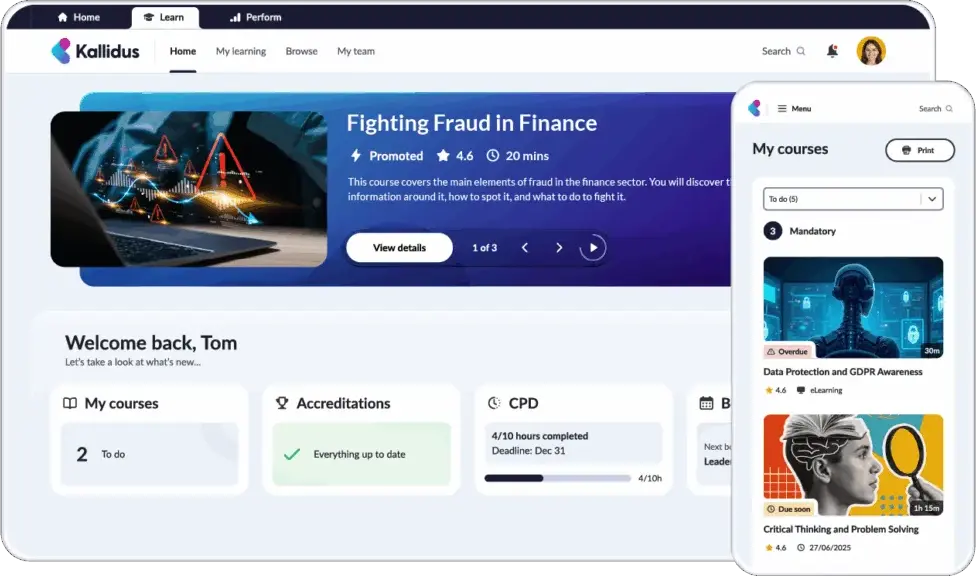
Kallidus Learn is a cloud-based LMS. It’s built for corporate L&D teams that need a clean, intuitive platform for structured training and compliance. It supports self-directed learning, giving employees the autonomy to drive their development. It also connects learning to performance management, helping organisations align training to business goals.
Like Growth Engineering, Kallidus prioritises learner experience and ease of use. Its self-enrolments and personalised dashboards also allow employees to take more ownership of their development than Growth Engineering supports.
However, Kallidus Learn’s back-end admin interface can feel complex.Course creation also requires more effort than expected.
Key Features
- Self-enrolment and learner-led development
- Manager nudges and notifications
- Personalised learning dashboards
- Mobile learning
- Learning pathways
- Skills tracking
- Compliance management
- Reporting and analytics
- Performance management integration
- Off-the-shelf eLearning content
Pros
- Personalised dashboards helping employees easily find and stay motivated in their training
- Mobile learning enabling training access from any device, at any time
- Skills tracking that helps employees see their own progress and growth
- Performance management integration to align learning to business outcomes
Cons
- Back-end admin interface can feel complex for new users
- Limited flexibility when acting on feature requests
Growth Engineering vs Kallidus
As Growth engineering alternative, Kallidus offers:
- Automated compliance tracking and robust reporting, including Power BI integration
- Real-time dashboards giving clear visibility of training outcomes at scale
- Due date management, ensuring mandatory training deadlines are met
- Role-based content assignment, keeping libraries relevant for each employee
Pricing
Kallidus offers four pricing plans: Content, Essential, Growth and Advanced. Pricing information is only available on request. Book a demo with their team for more information.
Rating
4.5/5 (average rating from G2, Capterra, GetApp and Software Advice)
#5 Learn Amp
Average User Score: 4.5/5
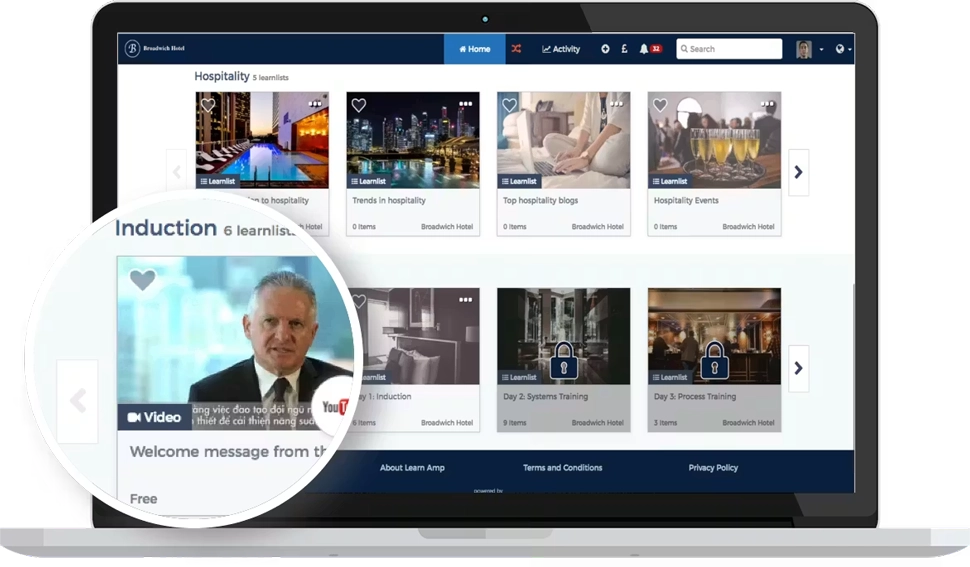
Learn Amp is an LMS with AI capabilities. It also offers LXP features, social learning tools, and performance management, all in one place. It is built around the idea that learning, engagement, and performance are connected. The platform comes with pulse surveys, peer-to-peer feedback, and leaderboards to keep employees engaged. It provides AI-driven personalised pathways to ensure each employee receives content relevant to their role and skills gaps.
While Growth Engineering centres engagement on gamification mechanics, Learn Amp builds engagement through a broader employee experience. It connects employee training directly to performance reviews, career progression, and organisational goals.
However, customisation requires additional time with the Learn Amp team to implement fully.
Key Features
- Social and peer-to-peer learning
- Pulse surveys and feedback tools
- Leaderboards and engagement analytics
- Personalised AI-driven learning pathways
- Skills tracking and development
- Performance management and OKRs
- Compliance tracking
- Reporting and analytics dashboards
- HRIS integrations
- Mobile learning
Want to set goals your team will actually hit?
Align learning outcomes with business performance using our ready-made OKR template.
Pros
- Pulse surveys and peer-to-peer feedback that keep employees actively engaged
- Leaderboards and engagement analytics helping L&D teams track participation
- Social learning tools enabling employees to ask questions and share knowledge
- Skills tracking connecting learning activity to career progression
- Performance management tools linking learning directly to business outcomes
Cons
- Reporting lacks visual data representations
- Customisation requires additional time and support to implement
Growth Engineering vs Learn Amp
Learn Amp offers:
- Compliance tracking with automated workflows and deadline management
- Customisable reporting dashboards with engagement and performance insights
- Content organised by team, role, and hierarchy, reducing library overwhelm
- Automated notifications for overdue training, keeping mandatory learning on track
Pricing
Learn Amp offers three pricing plans: Spark starting at £1.37, Grow starting at £1.87 and Amplify starting at £3.12 per user monthly.
Rating
4.5/5 (average rating from G2, Capterra, GetApp and Software Advice)
#6 Hive Learning
Average User Score: No ratings available
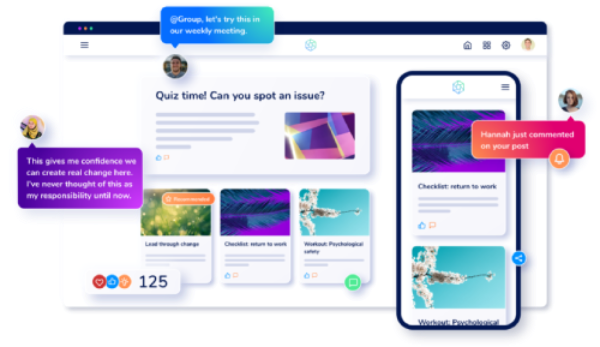
Hive Learning is a peer-to-peer learning platform built around behaviour change and collaborative skill development. It uses learning sprints, nudges, polls, and action checks to keep employees actively engaged and applying what they learn. The platform is particularly strong for topics like inclusion, leadership, and culture-building. It’s well-suited to organisations where ongoing conversation and reflection matter as much as content delivery.
Hive’s engagement is not driven in the same way Growth Engineering does. It structures engagement around peer interaction and real-world behaviour change, rather than gamification.
However, some users report that Hive Learning’s navigation is not always intuitive. This can add friction for both learners finding content and admins tracking team progress.
Key Features
- Peer learning and social collaboration
- Learning sprints and nudges
- Polls and action checks
- AI-powered content creation
- Personalised learning pathways
- Behaviour change tracking
- Skills gap analysis
- Real-time analytics and insights
- Certification management
- Integrations with productivity tools
Pros
- Peer-to-peer learning tools encourage internal knowledge sharing
- Learning sprints and nudges that build consistent learning habits over time
- Polls and action checks keeping employees actively reflecting on what they learn
- Behaviour change tracking connecting learning activity to real-world outcomes
Cons
- Navigation can feel unintuitive for both learners and admins
- Better suited to informal and social learning than structured course delivery
- Reporting lacks depth for managers tracking team progress
Growth Engineering vs Hive Learning
Hive Learning offers:
- Compliance tracking and training certification management built into the platform
- Scheduled notifications and deadline reminders, keeping mandatory training on track
- Content organised into structured learning pathways, reducing library overwhelm as content grows
Pricing
Hive doesn’t make pricing details available on their website. Contact their team directly to get an accurate and custom quote.
Rating
No ratings available
#7 Centrical
Average User Score: 4.5/5

Centrical is a performance experience platform built for frontline teams. It combines gamification and AI-powered microlearning. This helps employees access training in any gap they can find during their workday. Points, badges, leaderboards, and team competitions also keep employees engaged, motivated, and continuously developing. The platform’s manager dashboards, performance tracking, and AI coaching tools give team leaders the visibility and support they need to develop their people effectively.
While Growth Engineering applies neuroscience to structure the learning journey, Centrical applies it directly to performance management. It connects engagement and learning to real-time business metrics.
However, Centrical comes with an extensive feature set that can be overwhelming for learners and administrators. It can also slow down initial setup and configuration, impacting adoption rates.
Key Features
- Gamification tools and leaderboards
- Points, badges, and rewards
- Team competitions and personal challenges
- AI-powered personalised microlearning
- Performance tracking and analytics
- Coaching and feedback tools
- Manager dashboards
- Voice of the employee tools
- Real-time performance insights
- Multi-language support
Pros
- Gamification mechanics that create a motivating and competitive learning environment
- Points, badges, and rewards celebrating employee progress and achievement
- AI-powered microlearning delivering personalised content based on individual performance gaps
- Real-time performance tracking helping employees stay aligned with business goals
- Multi-language support making the platform accessible across global teams
Cons
- Initial setup and configuration requires significant time and effort
- Breadth of features can feel overwhelming for new users
- No dedicated course builder for complex or non-standard workflows
- Better suited as a performance tool than a standalone LMS
Growth Engineering vs Centrical
Centrical offers:
- Real-time analytics dashboards providing clear visibility of engagement and performance at scale
- Scales comfortably across large, distributed frontline workers in multiple languages
Pricing
Centrical doesn’t provide pricing details on their website. Contact their team directly for a personalised quote.
Rating
4.5/5 (average rating from G2, Capterra, GetApp and Software Advice)
#8 Learning Pool
Average User Score: 4.5/5
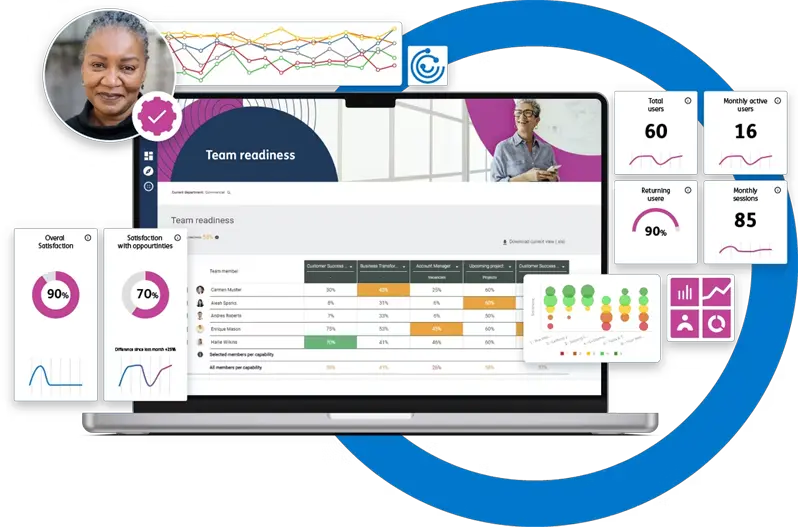
Learning Pool is a learning analytics platform combining LMS and LXP capabilities in one place. It offers social and cohort-based learning features to encourage peer collaboration. It also provides integrations with tools like Microsoft Teams and Slack. This helps employees access training in the flow of work. The platform also comes with a strong off-the-shelf content library that helps L&D teams launch training quickly.
Like Growth Engineering, Learning Pool prioritises learner engagement through personalised experiences. But it adds a stronger focus on data intelligence. It uses real-time analytics to continuously adapt learning to individual and organisational needs.
However, Learning Pool’s back-end admin tools can feel complex. The course authoring tool, in particular, requires significant training to use effectively.
Key Features
- Personalised learning pathways
- Social and cohort-based learning
- AI-powered content recommendations
- Learning in the flow of work
- Skills tracking and gap analysis
- Compliance tracking and reporting
- Performance analytics dashboards
- Onboarding journeys
- Off-the-shelf content library
- HRIS integrations
Pros
- Social and cohort-based learning that encourages peer collaboration and knowledge sharing
- App integrations highlight training opportunities and reduce disruption to daily tasks
- Personalised learning pathways adapt based on individual skill gaps and demonstrated abilities
- Skills tracking and gap analysis give managers visibility of individual and team development needs
Cons
- Sync issues between LMS and learner record store mean learner completions are not always updated correctly
- Interface can feel dated compared to newer platforms
Growth Engineering vs Learning Pool
Learning Pool offers:
- Compliance tracking and mandatory reporting built into the platform
- Real-time analytics dashboards providing visibility of training outcomes at scale
- Automated reminders and workflows, keeping mandatory training deadlines on track
- Content organised by role and skill gap, reducing library overwhelm for admins
- Scales to enterprise level across multiple languages and regions
Pricing
Pricing information is not available on their website. Contact their team to get accurate pricing details.
Rating
4.5/5 (average rating from G2, Capterra, GetApp and Software Advice)
#9 Trivie
Average User Score: 4.8/5
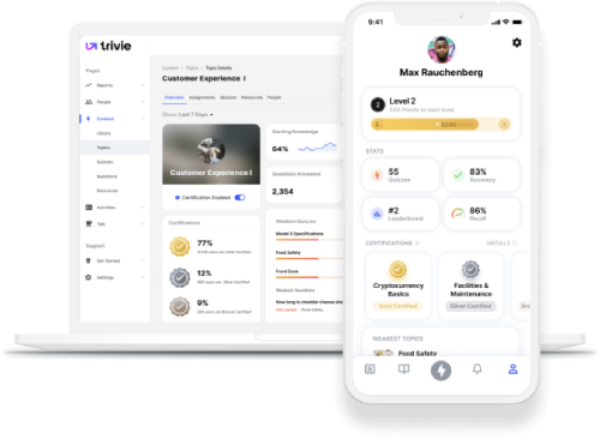
Trivie is a knowledge retention platform that sits alongside an existing LMS to make training stick. It transforms content into gamified trivia-based assessments. Leaderboards, badges, and winning streaks also create a competitive and social learning environment that employees genuinely enjoy. This encourages them to return to training regularly, boosting retention, motivation, and engagement.
Like Growth Engineering, Trivie draws on neuroscience to shape the learning experience. Trivie applies the techniques specifically to combat the forgetting curve. It predicts when employees are likely to forget training, and delivers personalised refresher training before knowledge is lost.
However, Trivie isn’t a learning management system. Content must be imported separately from assessments and linked manually. This can add friction to the setup process.
Key Features
- Gamified trivia-based assessments
- Leaderboards, badges, and winning streaks
- Peer-to-peer social learning
- Adaptive learning and spaced repetition
- AI-powered knowledge gap prediction
- Personalised learning boosters
- Knowledge retention analytics
- Automated reminders and engagement calendars
- HRIS and LMS integrations
- Multi-format content support
Pros
- Gamified trivia assessments that make knowledge reinforcement genuinely enjoyable
- Leaderboards, badges, and winning streaks create healthy competition among employees
- AI-powered spaced repetition delivers personalised boosters at the exact moment of need
Cons
- Content must be imported separately from assessments and linked manually
- Not a standalone LMS, requiring an existing platform to deliver initial training
- Compliance tracking requires manual effort outside the platform
- No native due date functionality for managing mandatory training deadlines
Growth Engineering vs Trivie
Trivie offers:
- Real-time analytics dashboards, revealing knowledge gaps and retention levels across teams
- Topic-based content structure, keeping libraries organised and easy to navigate as they grow
- Scales comfortably for organisations with 1,000+ employees across distributed teams
Pricing
Trivie’s pricing is personalised based on each organisation’s unique needs. Contact them directly for an accurate quote.
Rating
4.8/5 (average rating from G2, Capterra, GetApp and Software Advice)
#10 keelearning
Average User Score: 4.6/5
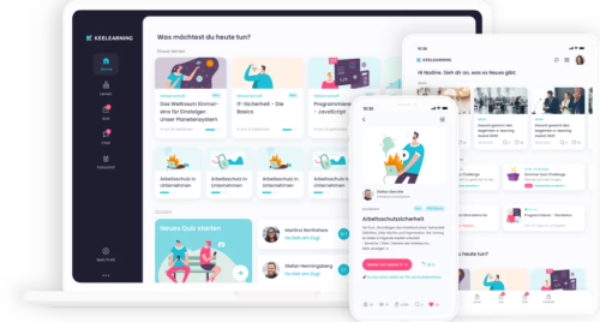
keelearning is a mobile-first LMS. It’s built for organisations that need to train frontline and deskless workers. It uses quiz battles and gamification to make training competitive and enjoyable. Its AI-powered auto-translation also makes content instantly accessible to multilingual teams. The platform also includes peer chat, comments, and news features. These encourage communication and connection between employees and teams, alongside learning.
keelearning takes a leaner approach to engagement than Growth Engineering. It prioritises accessibility and ease of use..
However, keelearning is primarily based in Germany. Organisations outside the region may need to consider whether its data hosting and compliance standards align with their local requirements.
Key Features
- Quiz battles and gamification
- Mobile learning app
- AI-powered auto-translation
- Multilingual learning paths
- Peer chat and comments
- Compliance tracking
- Reporting and statistics
- Blended learning support
- HRIS integrations
- Course library and editable templates
Pros
- Competitive quiz battles make knowledge testing engaging for employees
- Mobile-first design supports learning access for frontline and deskless workers
- Peer chat and comments encourage communication and workplace collaboration
- Tag-based content structure makes it easy to manage content across individuals, teams and departments
Cons
- Interactive content options more limited than more established platforms
- Primarily Germany-based, which may raise compliance considerations for international organisations
Growth Engineering vs keelearning
Keelearning offers:
- Compliance tracking and learning paths with deadline management
- Reporting and statistics dashboard providing visibility of training outcomes
- Tag-based content structure keeping libraries organised and manageable as they grow
- Automated notifications keeping mandatory training on track
- Scales as a cloud-based platform across teams of varying sizes
Pricing
keelearning offers a user-based core package, starting at €249 for up to 50 users, €469 for 150 users, €639 for 300 users, and €869 for up to 500 users.
Rating
4.6/5 (average rating from Capterra, GetApp and Software Advice)
Looking for More Alternatives?
We’ve done the hard work for you. Explore these curated lists of popular platforms and alternative solutions.