In today’s fast-paced and ever-evolving work environment, the ability to learn and adapt quickly is essential for success. Simply acquiring knowledge isn’t enough. This is where skill-based learning comes into play. It focuses on developing specific skills that are directly applicable to the workplace.
In this article, we explore:
- What skill-based education is and how it differs from knowledge-based learning
- Its importance in VET and workplace training environments
- Steps for implementing skill-based teaching and learning in your workforce
- Best practices and challenges when developing effective skill training programs
- Technologies that support skill-oriented education
What is Skill-Based Learning?
Skill-based learning is the development of practical skills that can be immediately applied in a work setting. It centres around hands-on experience, where employees improve through regular practice.
It supports efficiency, productivity and continuous improvement. This helps companies meet their current needs while also developing skills for the future of work. By focusing on skill-based learning, businesses adapt more easily to evolving market demands. They’re also able to keep up with industry standards, becoming leaders in their fields.
Skill-Based Education vs Knowledge-Based Learning
Traditional training prioritises knowledge acquisition instead of being skill-based, meaning it focuses on theory. Both types of learning play crucial roles in personal and professional development. But they differ in their approaches, aims, and outcomes.

Differences in Learning Approaches
Knowledge-based learning involves reading textbooks, attending lectures, and taking tests. This builds a strong foundation of factual knowledge. However, it can be difficult to translate that knowledge to practical workplace tasks.
A skill-based approach provides learning opportunities that are directly related to employees’ roles. This helps them understand the practical impact of theoretical concepts. It also cultivates relevant skills and problem-solving abilities, increasing confidence and efficiency.
Differences in Learning Objectives
The aim of knowledge-based learning is for individuals to understand fundamental principles. It also focuses on knowledge retention—the ability to recall information long after it’s learned. This provides learners with a broad knowledge base that they can draw on in their specialisations.
Skills-based training takes a more hands-on approach to learning experiences. By focusing on practical applications, it builds muscle memory. This is where employees know how to do a job without even having to think about it.
Differences in Outcomes
Knowledge-based learning provides a foundation that employees can work from. It helps them see the why behind the jobs they do and tasks they perform. A wide knowledge base also helps employees develop soft skills like critical thinking and analysis. This helps them make better-informed decisions.
Skill-based learning hones specific abilities. This makes it quicker and easier to apply them in real-world scenarios. It focuses on how to perform tasks more effectively. This helps employees act quickly and achieve tangible results, rather than focusing on lengthy analysis.
Skills-Based Education vs Competency Training
Skill- and competency-based learning are often used interchangeably. However, they’re not the same. Just as skills, capabilities, and competencies differ, so do the processes for developing them.
Skill-based learning focuses on teaching specific, practical abilities employees need for their roles. It can address skill gaps or help with upskilling and reskilling to meet future workforce demands.
Competency training develops a combination of skills, knowledge, and behaviours. This helps employees meet defined performance standards. The goal is consistent, effective performance in real-world, often complex, scenarios.
For example, an employee may undertake skill-based training to learn how to use a new data analysis tool. It covers running reports, creating charts, and the basic features the technology offers. In contrast, competency training would help them analyse real company data. They’d also learn how to interpret results and make actionable recommendations. This would ultimately improve both technical skills and critical thinking.
Why Skill-Based Education Is Important in the Workplace
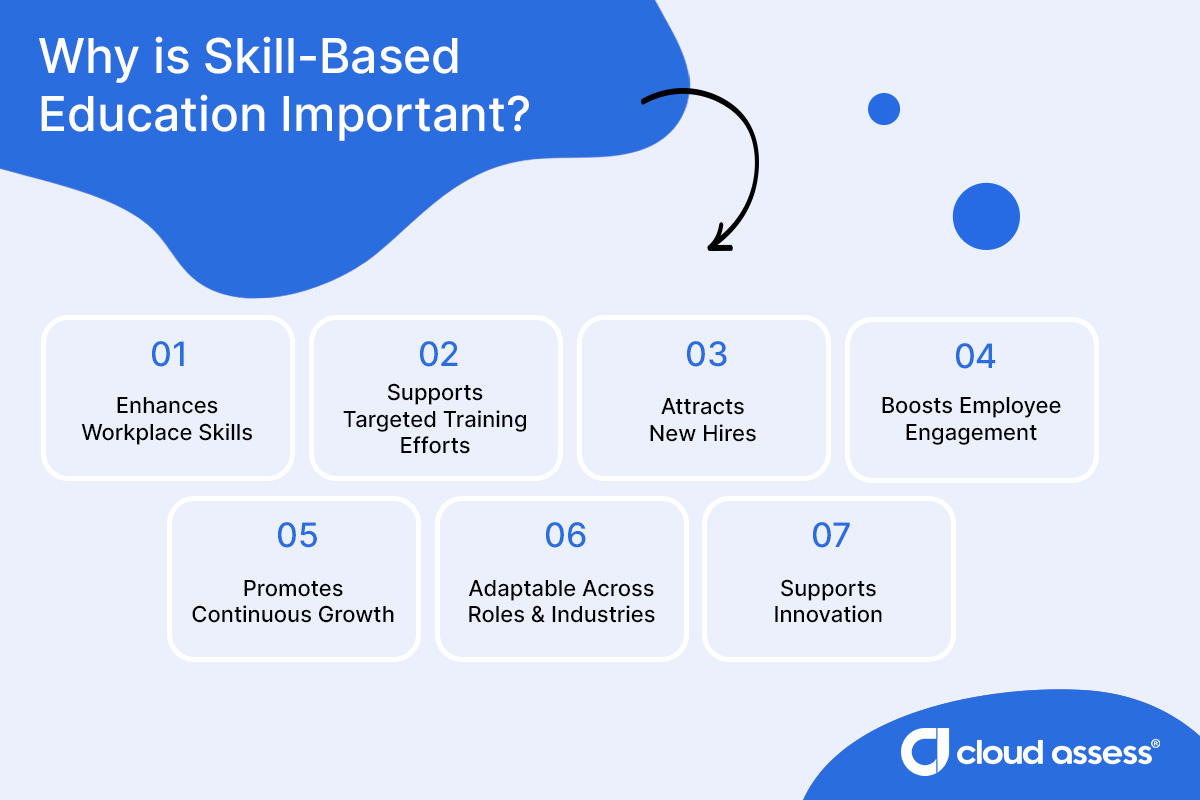
Enhances Workplace Skills
Learners improve their proficiencies by actively engaging in practical tasks and simulations. This gives them experience solving real-world problems, while still minimising risk. This active learning approach provides employees with a deeper understanding. It also builds confidence and fosters critical thinking. The result is improved job performance. Employees feel comfortable taking on new responsibilities and tackling tasks with greater assurance. This sees them contributing more effectively to organisational goals.
Supports Targeted Training Efforts
Companies that invest in skill-based learning also keep a close eye on skills across their workforce. This puts them in a better position to identify employees who may need additional training. It can also highlight those who could be prime candidates for succession planning. Companies can then develop targeted training plans to address gaps or upskill their workforce in specific areas. This helps them align training with long-term business objectives. It also improves the ROI from training efforts. Companies gain insight into where their L&D budgets will have the most impact and improve performance overall.
Attracts New Hires
People want to work for companies that prioritise their growth. In fact, research from Forbes indicates that more than half (56%) of employees value growth opportunities more than salary. This is why companies that offer upskilling opportunities attract top talent. According to Lorman, 70% of employees would leave their current role to work for a company known for investing in employee learning.
Boosts Employee Engagement
Skill-based training doesn’t only attract new hires. It also supports your existing employees. This reduces the risk of career stagnation and improves job satisfaction. When companies offer opportunities for upskilling, employees become more engaged in their work. It makes them more committed to their roles and your company. This increased employee engagement boosts motivation and, ultimately, employee retention.
Promotes Continuous Growth
Skill-based training also promotes continuous learning. A focus on practical and continuous skill development encourages personal and professional growth. Companies can support this by providing ongoing practice, feedback, and opportunities for self-reflection. This iterative approach helps employees master specific skills. It also cultivates a mindset of lifelong learning and continuous professional development.
Adaptable Across Roles and Industries

One of the key benefits of skill-based learning is its adaptability to various industries and professions. It works well in healthcare, technology and business, where the quick application of practical skills is crucial. It can also be tailored to meet any industry’s specific workplace and workforce skill demands. This helps employees develop skills that directly align with their chosen careers.
Skill-based training also helps companies themselves adapt to changing market demands. By focusing on development, companies can help employees combat skill stagnation. This happens when abilities become outdated and are no longer relevant to existing roles. Instead, companies can support upskilling and reskilling. This ensures an agile and capable workforce, even in the face of changing needs.
Supports Innovation
Employees who are skilled at thinking critically and creatively are more likely to find unique solutions to the problems they face. This can help your company develop new solutions that better meet market needs and maintain a competitive edge.
How to Implement Skill-Based Teaching and Learning in Your Workforce?
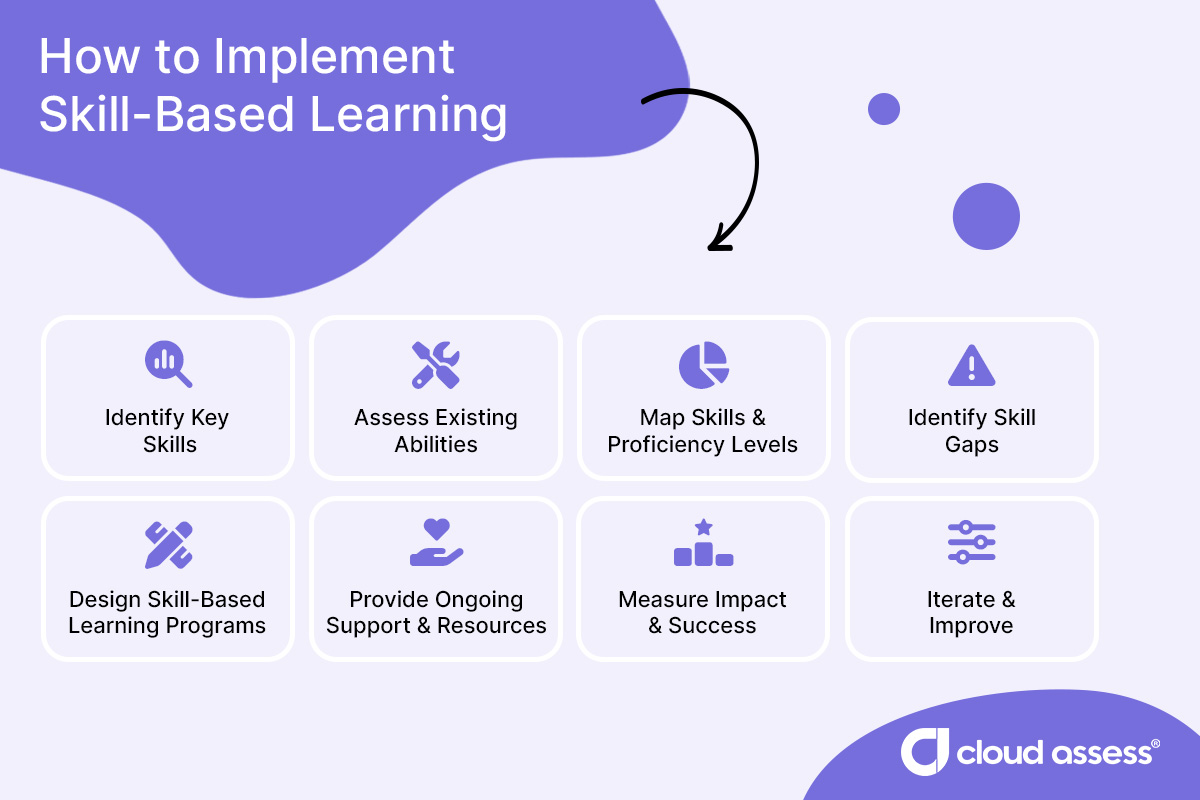
Introducing a skills-based learning strategy in your organisation requires careful planning and execution. Here are some steps to effectively implement skill-based learning:
1. Identify Key Skills
Start by pinpointing the essential skills that your organisation needs to thrive. This could involve consulting stakeholders, analysing industry trends, and considering future business directions. The aim is to create a comprehensive list of skills that are directly linked to your organisational goals. This will ensure that your workforce is equipped to meet current and future challenges.
2. Assess Existing Skills
With a clear understanding of the key skills your business needs, the next step is to determine which skills your employees already have. This is where a skills audit comes in. Conduct thorough skills assessments alongside performance reviews and one-on-one interviews. This will help you identify which employees may be the best candidates for skill training in specific areas.
For example, an employee with strong communication and change management skills may make a good leader. Recognising this can help you develop a targeted training program to boost other leadership skills.
4. Identify Skill Gaps
Analysing the data from your skills mapping will highlight where gaps lie within your organisation. This skills gap analysis is crucial for pinpointing the specific areas where training will add the most value. It allows you to prioritise specific initiatives and allocate resources more effectively. It also helps you ensure skill alignment. This happens when employee abilities directly relate to organisational goals. Using a skills gap analysis tool that leverages AI can help with recognising areas for individual improvement.
5. Design Skill-Based Learning Programs
Now that you know which areas need to be addressed, it’s time to start developing targeted employee training programs. Each training initiative will be unique to your business needs. But there are some guidelines for developing effective skills-based learning programs.

- Keep Your Objectives in Mind. Clearly define what you want to achieve. Consider which metrics you’ll track, and how you’ll measure success.
- Develop Engaging Content. The more engaging training is, the more memorable it becomes. Microlearning delivers training in bite-sized courses. These are easy to access on any device and fit into even the busiest schedule. Gamification features like leaderboards and daily streaks also engage learners. They add an element of fun and encourage them to return to training regularly.
- Use Various Training Methods. These could include online courses that employees can access at their own pace. It could also involve instructor-led training workshops, or on-the-job training. Adopting different employee training methods will help you accommodate diverse learning preferences.
- Customise Training Journeys. Some employees may need in-depth training in certain areas, while others may only need refresher training. Personalised training journeys and learning paths will help you find the right balance. For example, adaptive learning and assessments will adjust the difficulty of training to match staff’s abilities.
- Assess Skills Regularly. Continuous assessments will help you measure progress consistently. It can also identify individuals who may need additional support or personalised guidance.
- Encourage Collaboration. Collaborative learning helps employees develop critical communication and team-building skills. It also creates an environment where people feel comfortable sharing their insights. This encourages team members to learn from each other. It can contribute towards a strong and positive company culture.
6. Provide Ongoing Support & Resources
For skill-based learning to be effective, it’s crucial to offer ongoing support and resources to your employees. This includes training materials, mentorship programs and opportunities to practice new skills. This kind of support ensures skill-based learning isn’t a once-off effort. Instead, it contributes towards a culture of continuous learning and improvement. It makes it easier for employees to access learning opportunities and grow with your business, instead of away from it.
7. Measure Impact & Success
Next, determine which training metrics you’re going to measure. When it comes to skill-based learning, these could include:
- Skill gap reductions
- Patterns in behaviour
- Improvements in operational efficiency
8. Iterate and Improve
Skill-based learning should be an ongoing process. There are always going to be areas for improvement. That’s simply the nature of training. What worked well in the past is not always a guarantee of future learning success. This is why it’s important to always monitor results, measure success, and make changes. This ensures your training will stay relevant as your business, workforce and market progress.
Skill-based Learning Technologies
Technology plays a crucial role in supporting and enhancing skill-based learning efforts. Various tools and platforms are available to facilitate learning, such as:
Learning Management Systems (LMS)
Many LMS platforms are built for the transfer of knowledge rather than the development of skills. Finding the right platform helps companies track progress, completion rates, and assessment scores. It also provides valuable insights for instructors to tailor their teaching methods. Some also offer badges and microcredentials. These encourage employees to keep learning and growing.
Assessment Tools
Assessment tools are essential for measuring success. They show whether employees have gained the skills and knowledge required for their roles. These platforms go beyond simple testing by supporting a range of assessment types. These could include both formative quizzes and skill-based evaluations. They allow instructors to track learner performance and identify skill gaps. They also ensure training programs meet compliance and quality standards.
Skill Matrix Software
Skill matrix software gives companies a comprehensive overview of abilities across an organisation. This helps them align job roles within organisational structures. It also supports skill mobility, where employees are assigned tasks and projects according to what they can do, rather than the role they’re in.
Employee Management Software
While not focused solely on learning, employee management software helps companies manage the full employee lifecycle. This includes recruitment, onboarding, and induction training alongside job performance and skill development tracking. They also help companies maintain employee records, storing employee data, training completions, and assessment results.
When integrated with your LMS or skills matrix, these platforms provide a centralised view of employee data. This allows HR teams to connect training outcomes with performance metrics. It also provides a consolidated tool for managing development plans, payroll, and leave.
Consolidated All-in-One Solutions
All-in-one learning and workforce management platforms combine multiple solutions into a single system. For example, Cloud Assess offers LMS features, assessment tools, and skills matrix software. These platforms streamline training, performance tracking, skills mapping, and HR processes. They reduce the need for multiple disconnected tools by consolidating data across learning, skills, and workforce metrics. This provides a unified view of employee development and business performance. Organisations can align training with strategic goals while simplifying administration and improving efficiency.
Case Studies: Successful Skill-Based Learning Initiatives
V/Line Leverages Cloud Assess For a Safer, More Capable Workforce
In 2024, V/Line was facing the challenge of training a dispersed, deskless workforce. They partnered with Cloud Assess in April 2024 to launch their Platform 100: Unify Project. This introduced role‑based learning journeys for focused, relevant training. The mobile‑first platform has made it easy for teams to access training materials and refresher courses on the go. The initiative also became a finalist in the 2025 AITD Excellence Awards for Best Use of Technology for Learning.
Future Force Goes Paperless in Workplace Training
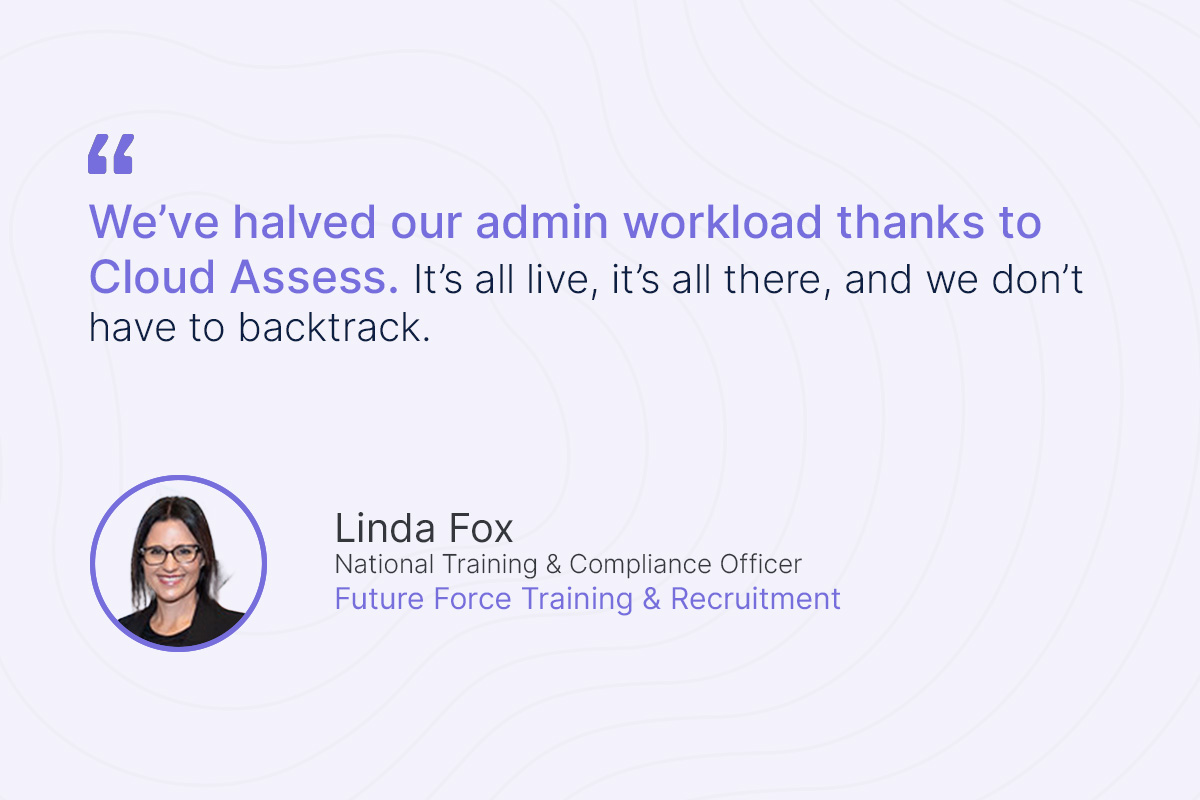
When it comes to skill-based learning, paper systems slow down processes. This is why Future Force decided to go paperless with Cloud Assess’ help. Since switching to the training and assessment platform, they’re more easily able to collect evidence of learners’ skills. They’re also boosting learner engagement and building strong mentoring relationships.
Overcoming Challenges in Skill-Based Learning

Implementing skill-based learning programs can present challenges. Here are some common obstacles and strategies to overcome them:
- Resistance to Change. People become comfortable with doing things their own way. If employees aren’t familiar with skills-based learning, they may feel that the additional effort isn’t worthwhile. This is especially the case if learning efforts are general, rather than focused on targeted skill development. Communicate the benefits of skill-based learning and involve employees in the planning and learning process. This will go a long way to address any resistance and showcase how skill-based learning will benefit them.
- Lack of Resources. Skill-based training is often personalised and targeted, rather than generic. It can take effort to build the program and the resources to support it. These may include time, budget, and technology. However, carefully planned implementations can help you identify the resources you need. You’ll also be better prepared and find solutions that reduce administrative burden, rather than adding to it.
- Tracking Success. Measuring skills can be more difficult than evaluating knowledge. However, that doesn’t mean that it’s impossible. Leverage different types of assessment for specific scenarios. This will help you pinpoint skill sets and proficiency levels.
How to Grow Your Workforce with a Skill-Based Training Approach
As the workplace continues to evolve, skill-based learning is key for professional development. Here are some trends that will shape the future of skill-based learning:
- Skills-First Hiring. Many companies are hiring employees based on abilities, rather than educational background. For these organisations, skill assessments are crucial, and skill-based learning is essential. New hires may have specific skill sets that companies need. However, other areas may require further development for them to be effective in their roles.
- Data-driven Learning. Data analytics play a crucial role in personalised learning experiences. They provide insights into learning patterns and preferences. This helps companies develop targeted and effective training materials that meet individual needs.
- Artificial Intelligence (AI). The use of AI in training is advancing rapidly. AI-powered course recommendations tailor training to employees’ specific needs, without additional effort. AI assessment generators make it quick and easy to evaluate skills and knowledge. AI marking also reduces administrative burden, suggesting grades and providing meaningful feedback.
- VR & AR: Virtual Reality (VR) and Augmented Reality (AR) are poised to revolutionise skill-based training. They provide immersive and hands-on experiences. Through VR simulations, employees can practice real-life scenarios in a safe environment. This enhances their skills and confidence without real-world consequences. AR overlays digital information onto the physical world. It offers interactive guidance and instructions in real-time. This makes learning dynamic and engaging.