

Aged care is one of Australia’s most vital and people-centred industries. It plays an essential role in supporting older adults to live with dignity, comfort and connection. Workers provide essential personal care and emotional support across all aged care facilities. This also includes home care programs and community services. Their personal and emotional care enhances the wellbeing of the people they support.
Working in the aged care sector can be challenging. But it is a deeply rewarding career that calls for empathy, patience, and practical skills. It also requires an understanding of how to meet the physical, emotional, and social needs of older Australians. Every act of care, no matter how small, makes a difference. It helps maintain independence, safety, and quality of life within our ageing population.
Why is Aged Care Training Essential in Australia?
Aged care training is essential for building a skilled and confident workforce in the healthcare sector. It plays a vital role in supporting Australia’s ageing population. As the personal and home care worker industries continue to grow, the need for qualified professionals increases each year. This demand spans residential aged care facilities, home and community care services.
The demand also creates new aged care job opportunities and career pathways for people entering or advancing in the sector. Proper training ensures healthcare professionals have the skills and empathy needed to provide safe care. It also helps them understand how to deliver person-centred support services.
Ongoing aged care training programs also help workers adapt to the changing needs of the industry. Training strengthens communication skills, reinforces safety, and promotes compliance with industry standards. It builds awareness of key issues such as mental health needs and chronic disease management. These opportunities help build a capable workforce. Together, they strengthen the quality of care provided to older Australians.
Get Unlimited Access To These And Other Premium Courses!
Enquire with our Sales Team today.Aged Care Course Categories
We’ve organised our aged care courses into dedicated training categories. Each one focuses on a key area of care and professional practice. These aged care training courses help workers improve their skills and deliver quality aged care services. They support professional development ongoing education across areas of the aged care industry.
- Dementia Series: Explores how dementia affects older people and those who support them.
- Promote Independence Series: Helps clients make their own choices and stay active in daily life.
- Positive Mealtime Experience Series: Develops skills that ensure safe, inclusive and enjoyable mealtimes.
- Support Workers Series: Strengthens core skills in documentation and professional care practices.
- CHC33021 Certificate III in Individual Support – Ageing: Provides accredited training and hands-on experience. It also builds foundational skills for roles in health or community services.
- Medication Calculations for RNs: Refreshes calculation and dosage skills. This supports safe nursing and medical assistance in aged care environments.
- Positive Behaviour Support Strategies – Aged Care: Explores behavioural changes and positive support strategies.
- Recognising and Reporting Elder Abuse: Helps participants recognise, report and prevent elder abuse in aged care.
1. Dementia Courses
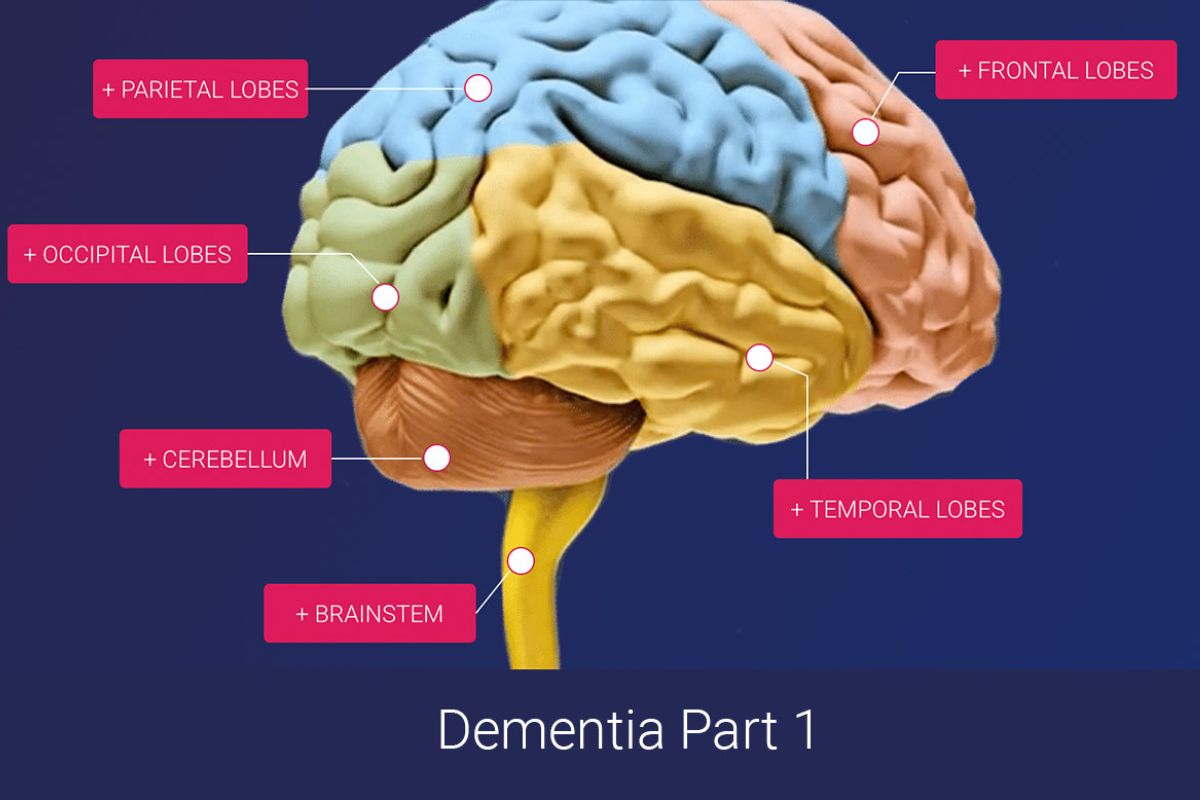
The Dementia Series is a progressive learning journey. It is designed for personal and home care workers who support people living with dementia. Across nine connected modules, the series takes care professionals on a structured learning path. It moves them from foundational understanding to advanced knowledge. This helps staff develop the skills needed for person-centred care. The series starts by explaining how dementia affects the brain and progresses over time. Participants will then learn practical strategies for providing compassionate, safe, and effective support.
As the series unfolds, it introduces practical skills for effective communication. It also covers daily living assistance and behavioural response. These lessons build the confidence care workers need to deliver dignified direct care. They also ensure support aligns with the Aged Care Quality Standards. Later modules help participants design meaningful activities and collaborate with families and carers.
The final modules focus on legal and ethical responsibilities. They also cover advanced communication techniques. Care workers discover how to respond to behavioural and psychological symptoms with empathy. They also learn to approach each situation with confidence and understanding. By the end of the series, participants gain the awareness, skills, and confidence they need to provide holistic dementia care. They’ll be able to support identity and wellbeing and enhance their clients’ quality of life.
What you’ll learn:
- How to provide person-centred aged care that supports dignity and wellbeing
- The effects of ageing and dementia on the brain and daily living
- How to communicate respectfully and effectively with older people
- Techniques for supporting daily activities with empathy and skill
- Practical ways to create meaningful engagement and social connection
- Approaches to manage behavioural and psychological changes safely
- How to work collaboratively with family members, carers, and care teams
- Legal and ethical responsibilities in aged care and dementia support
- Strategies for promoting independence, safety, and quality of life
2. Promote Independence Series Courses

The Promote Independence Series focuses on helping aged care professionals provide effective support. The series recognises that independence plays an important role in maintaining wellbeing. It also helps older people find meaning and purpose in their daily lives. It also supports the development of self-esteem through meaningful engagement.
Across four modules, the program explores practical ways to empower clients in their daily lives. It provides strategies that encourage growth, capability, and confidence. The series highlights the importance of respecting choice, building trust and promoting participation. It also provides real-world strategies that can be applied in everyday care. These online courses examine how to collaborate with clients when planning their support. It shows professionals how to provide care that respects culture and spirituality. It also emphasises the importance of supporting each person’s unique identity.
Participants learn how to communicate with empathy and encourage social connection among older people. They learn how to support emotional and psychological wellbeing in everyday care. By the end of the series, aged care professionals gain the skills to promote independence with confidence.
What you’ll learn:
- How to support older people to make their own choices
- Practical strategies for promoting independence in daily life
- Ways to plan and deliver person-centred support
- How to provide care that respects culture and spirituality
- Approaches for supporting emotional and social wellbeing
- How to communicate with empathy and respect
- Understanding the balance between safety and dignity of risk
3. Positive Mealtime Experience Series Courses

The Positive Mealtime Experience Series supports care workers in creating enjoyable dining experiences. It also helps care professionals ensure that every mealtime is safe, comfortable, and engaging for older people. Across seven modules, the series explores key standards and frameworks that guide mealtime care. It also introduces practical strategies that improve the quality of dining in aged care settings.
The courses focus on nutrition, safety, and client dignity. They help staff understand their role in promoting wellbeing through food. It also shows how meaningful mealtime interactions can enhance overall quality of life. Each module introduces practical skills that build confidence in daily practice. They also help create consistency in care across different settings. Aged care workers learn how to follow mealtime plans and support individual preferences. They also learn to recognise early signs of deterioration that may affect eating and nutrition.
The series covers cultural and social aspects of dining. It also explores dementia-friendly environments and highlights the importance of presentation and positioning. By the end of the program, participants gain the confidence to create positive and person-centred dining experiences. They help clients enjoy safe and meaningful mealtime experiences that reflect their needs, culture, and choice.
What you’ll learn:
- How to make mealtimes meaningful, comfortable and dignified
- Ways to apply person-centred practices during meals
- How to identify and respond to changes in a client’s condition
- Techniques for supporting independence and confidence while eating
- Strategies for creating calm, inclusive dining environments
- How to meet diverse cultural and dietary needs respectfully
- The importance of consistency, safety and compassion in mealtime care
4. Support Workers Series Courses

The Support Workers Series offers a collection of short, practical courses designed for people working in aged care. Each module focuses on a vital area of day-to-day support, helping staff strengthen their skills and meet workplace standards. The series covers essential topics such as infection control and documentation. It also explores food safety, manual handling, privacy, and diversity in aged care settings. These modules can be completed individually, allowing care workers to focus on the areas most relevant to their role.
The training helps personal and home care workers stay confident and compliant in their work. It builds awareness of safety procedures, legal responsibilities and respectful communication. The courses also encourage inclusive practice and cultural sensitivity. They ensure that older clients receive care that recognises their individual needs. Together, these modules provide essential knowledge for every support worker..
What you’ll learn:
- Core workplace practices for aged care environments
- How to protect health and safety through infection control and hygiene
- Techniques for safe manual handling and movement support
- Accurate and compliant documentation skills
- How to handle private information with care and professionalism
- Ways to deliver inclusive support that respects diversity
- Strategies for maintaining quality, confidence and consistency at work
5. CHC33021 Certificate III in Individual Support – Ageing Course

This certificate is a nationally recognised qualification. It is specifically designed for people who want to build a meaningful career in aged care. The accredited training develops both knowledge and practical skills for supporting older people. It prepares workers to provide quality care in residential, community and home settings. The qualification focuses on person-centred practice, communication, safety and legal responsibilities. It helps workers build confidence to deliver care that meets professional and ethical standards.
Training combines essential theory with real-world application. Staff practise support techniques in simulated learning environments. They also complete supervised placements in an approved service across aged care settings. These placements help workers build hands-on experience and confidence in real-world care situations. The program covers mobility, nutrition, hygiene, and dementia awareness. It also reinforces infection control practices and accurate reporting procedures. By the end of the program, participants gain the skills to provide high-quality support. They deliver care that promotes dignity, independence, and wellbeing for every older person they assist.
What you’ll learn:
- How to provide person-centred support for older people
- Communication and teamwork skills for care environments
- Safe and hygienic work practices in aged care
- Techniques for mobility, nutrition and daily living support
- Understanding dementia and person-first approaches
- Legal and ethical responsibilities in aged care
- Confidence to deliver safe, dignified and compassionate care
6. Medication Calculations for RNs Course
This course helps registered nurses refresh their medication knowledge. It supports safe and effective medication administration in clinical practice. The course focuses on practical maths and calculation skills. These help nurses deliver medications accurately and confidently in a variety of care settings. It also covers all methods of administration. This includes common techniques as well as those used less frequently, such as intravenous drug delivery. It reminds nurses to always work within their professional scope of practice and local facility guidelines.
The training combines theory with practice to strengthen accuracy and decision-making. Nurses review key concepts such as unit conversions, dosage by volume and infusion rates. The course also reinforces duty of care and professional accountability. It ensures that every step of the medication process supports client safety and wellbeing. By the end of the course, nurses gain renewed confidence in their calculation skills. They also strengthen their ability to meet the standards of safe and effective medication management in aged care.
What you’ll learn:
- How to calculate medication dosages accurately
- Converting units and measuring correct quantities
- Calculating intravenous infusion rates and volumes
- Reviewing duty of care and professional accountability
- Applying safe medication practices within scope of practice
- Strengthening confidence and precision in clinical decision-making
7. Positive Behaviour Support Strategies – Aged Care

This course helps aged care workers understand behavioural changes in older people. It also guides them in developing appropriate and compassionate responses. The course focuses on recognising that behaviour often communicates unmet needs. It teaches staff how to respond with empathy, patience, and respect. The training introduces practical approaches to reduce risks and maintain safety. It also shows how to preserve dignity and support wellbeing, even in challenging situations.
Participants learn common triggers for behavioural changes and early warning signs before escalations. They also learn effective de-escalation techniques that promote safety and calm. The training highlights how communication and body language can influence behaviour. It also explains how environmental factors play a role in shaping a person’s responses. Staff learn to apply positive behaviour support principles in their daily practice. These approaches improve quality of life and help minimise the use of restrictive practices. By the end of the course, care workers gain the skills to respond to behavioural changes with confidence and empathy. They know how to act calmly and safely in a variety of aged care settings.
What you’ll learn:
- How to recognise triggers and early signs of behavioural change
- Positive behaviour support techniques that promote dignity and safety
- Strategies for managing escalation with calm and confidence
- The role of communication and body language in behaviour response
- How to apply least-restrictive and person-centred approaches
- Ways to support wellbeing and quality of life through positive behaviour management
8. Recognising and Reporting Elder Abuse Course

The Recognising and Reporting Elder Abuse course provides essential training for aged care staff. It focuses on preventing, identifying, and responding effectively to elder abuse. The course explains what constitutes abuse and how it can appear in different forms. These include physical, emotional, financial, and sexual abuse. It also outlines the legal and organisational responsibilities that guide reporting. Staff learn when and how to act to ensure every concern is handled appropriately. Through practical examples, the training shows workers how to recognise early warning signs. It also demonstrates how to follow the correct procedures to keep residents safe and protected.
The training reinforces essential aged care worker duties towards older clients. It also highlights the importance of acting quickly and responsibly when concerns arise. It helps aged care professionals understand their legal responsibilities under the Aged Care Act. It also clarifies the ethical obligations that guide their daily practice. The course also teaches them how to document and report suspected abuse accurately and thoroughly. By completing the course, staff learn to uphold safety, dignity, and wellbeing in every aged care setting.
- How to recognise changes in behaviour or physical condition that may signal abuse
- Ways to identify and distinguish between different forms of elder abuse
- When and how to report concerns through the right organisational channels
- Understanding legal duties and compulsory reporting under the Aged Care Act
- How to document incidents clearly and accurately
- Strategies to protect residents’ dignity while ensuring their safety


